
- Home/
- Buy Propecia in Online Pharmacy for United States Customers
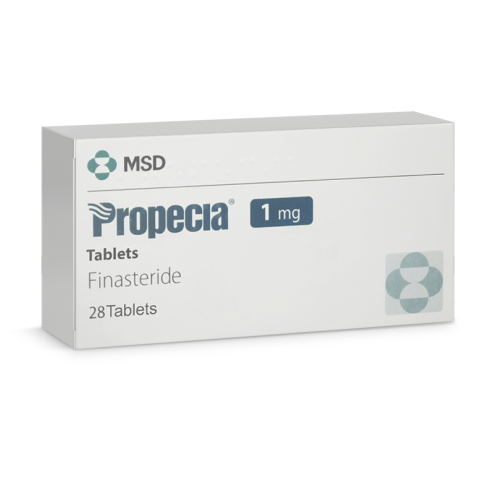
Can Propecia Be Purchased Without a Prescription in the United States?
No, Propecia (finasteride 1 mg) is a prescription medication in the United States. Buying or using it without a valid prescription from a licensed healthcare provider is illegal and unsafe. The U.S. Food and Drug Administration (FDA) classifies Propecia as a prescription-only medicine for male pattern hair loss. Legitimate pharmacies—both local and online—require a doctor’s prescription for dispensing Propecia. Obtaining it from unregulated sources puts you at risk of counterfeit products, legal consequences, and potential harm.
Key Takeaways: What You Need to Know About Propecia
- Active Ingredient: Finasteride 1 mg (oral tablet; for hair loss only)
- Prescription Status: Prescription required throughout the United States
- Main Use: Treatment of male pattern hair loss (androgenetic alopecia) in adult men
- Onset of Effect: Noticeable results typically seen after 3–6 months of daily use
- Most Common Side Effects: Decreased libido, erectile dysfunction, ejaculation disorder (see details below)
- Absolute Contraindication: Contraindicated in women, children, and men with known hypersensitivity to finasteride
- Legal Status: Sale and use without a prescription is prohibited; only buy from FDA-registered U.S. pharmacies
How Does Propecia Work? Understanding the Science
- Mechanism of Action
- Propecia contains finasteride, which is a Type II 5-alpha-reductase inhibitor. This enzyme converts testosterone into dihydrotestosterone (DHT), a hormone strongly linked to shrinking hair follicles in genetically susceptible men.
- What Happens Biochemically?
- By blocking 5-alpha-reductase, finasteride lowers DHT levels in the scalp and blood by approximately 60–70%. This reduction slows or halts the miniaturization of hair follicles, thereby stabilizing hair loss and, in many cases, enabling regrowth of healthy hair.
- How Soon Does It Work?
- Finasteride does not work overnight. It typically takes 3–6 months of daily use to notice visible improvement. The effect plateaus after about 12 months; continued use is needed to maintain results.
- Metaphor for Everyday Understanding
- Think of DHT as a “weed” that chokes out healthy hairs. Finasteride acts like a weed-killer for this specific weed, letting your hair’s natural growth resume.
Key Point: Finasteride only works as long as you take it. Stopping treatment usually results in hair loss returning within 6–12 months.
Propecia Dosage and Administration: How to Use Safely
The standard recommended dose for treating male pattern hair loss is 1 mg finasteride once daily, taken at the same time each day. Swallow the tablet whole with water; do not split or crush it, as the active ingredient can be absorbed through the skin and is hazardous to women and children.
- Maximum recommended dose: 1 mg per day (higher doses do not increase effectiveness for hair loss and may increase risk of side effects)
- Missed dose: Take as soon as you remember, unless it’s almost time for your next dose. Do not double up.
- Special populations: No dose adjustment is typically needed for elderly men or those with mild-to-moderate kidney impairment, but always consult your doctor.
- Duration of effect: Finasteride’s effects persist as long as the drug is taken. Hair regrowth is not permanent after discontinuation.
Never take more than the prescribed dose. Overdose does not improve results and can increase harm.
Interactions: Food, Alcohol, and Lifestyle Factors
| Substance | Can Be Combined? | Notes / Consequences |
|---|---|---|
| Food | Yes | Can be taken with or without food; absorption not significantly affected |
| Alcohol | Yes (in moderation) | No direct interaction; excessive alcohol may worsen hair loss or interact with other medications |
| Grapefruit juice | Yes | No significant effect on metabolism |
| Other 5-alpha-reductase inhibitors | No | May increase side effects; avoid combination |
Bottom line: Take Propecia at your preferred time, with or without meals. Social drinking is not prohibited, but excessive alcohol can negatively affect overall hair health.
Who Should Not Take Propecia? Absolute and Relative Contraindications
- Absolute Contraindications
-
- Women and children: Propecia is never indicated for women (including those who are pregnant or may become pregnant) or anyone under 18. Accidental exposure in pregnancy can cause birth defects in male fetuses.
- Known allergy to finasteride or any component of the tablet.
- Relative Contraindications & Cautions
-
- Liver disease: Use with caution; the drug is metabolized in the liver. Consult your physician for monitoring.
- Prostate cancer screening: Finasteride can lower PSA (prostate-specific antigen) levels, possibly masking early signs of prostate cancer. Inform your doctor before PSA testing.
- Depression or mental health disorders: Some reports link finasteride to depression or suicidal thoughts (rare). Discuss your mental health history before starting.
Never handle crushed or broken tablets if you are female or pregnant—serious fetal risk.
What Side Effects Are Most Common with Propecia?
- Very Common (>1/10)
- None noted in clinical studies.
- Common (1/100 to 1/10)
-
- Reduced libido (1.8% vs 1.3% with placebo)
- Erectile dysfunction (1.3% vs 0.7% with placebo)
- Decreased ejaculate volume (1.2% vs 0.4% with placebo)
- Uncommon (1/1,000 to 1/100)
-
- Breast tenderness or enlargement (gynecomastia)
- Rash, itching
- Rare (<1/1,000)
-
- Allergic reactions (swelling of lips, tongue, face)
- Testicular pain
- Depression, anxiety, or suicidal thoughts
Mechanism: Most sexual side effects are due to lower DHT levels. The majority resolve after stopping the medication, but persistent cases (so-called “post-finasteride syndrome”) have been reported, though causal relationship is debated.
- If you experience serious symptoms (e.g., swelling, difficulty breathing, severe depression), stop the medication and seek immediate medical care.
- Report any persistent or distressing effects to your healthcare provider.
Propecia vs. Alternatives: Comparing Hair Loss Treatments
| Medication | Main Use | Onset | Common Side Effects | Prescription Needed | Average Cost (per month, USD) |
|---|---|---|---|---|---|
| Propecia (Finasteride 1 mg) | Male pattern hair loss | 3–6 months | Sexual dysfunction, rare depression | Yes | $60–$80 (brand), $10–$30 (generic) |
| Minoxidil (Topical) | Male/female pattern hair loss | 3–4 months | Scalp irritation, unwanted hair growth | No | $15–$40 |
| Dutasteride (off-label) | Male pattern hair loss | 3–6 months | Increased sexual side effects | Yes | $60–$90 (generic) |
Summary: Propecia is the only FDA-approved oral treatment for male pattern hair loss in the United States. Minoxidil is an over-the-counter topical alternative. Dutasteride is used off-label and generally reserved for resistant cases.
Propecia at a Glance: Key Facts Table
| Active Ingredient | Finasteride 1 mg |
| Drug Class | 5-alpha-reductase inhibitor (Type II selective) |
| Indication | Androgenetic alopecia (male pattern hair loss) |
| Prescription | Required in United States |
| Onset of Effect | 3–6 months |
| Metabolism | Liver (CYP3A4 pathway) |
| Elimination | Urine and feces |
| Half-Life | ~6 hours (young adults); ~8 hours (elderly) |
| Pregnancy Category | X (contraindicated in women) |
How to Obtain Propecia Legally in the United States: Step-by-Step
- Consult a healthcare professional.
- Schedule an appointment with a primary care physician, dermatologist, or a telemedicine provider licensed in your state.
- Discuss your hair loss history and relevant health details (e.g., family history, other medications, prostate health).
- Receive a prescription.
- If appropriate, your provider will prescribe finasteride 1 mg tablets for hair loss.
- Some telehealth platforms offer online questionnaires followed by a virtual or phone consultation.
- Fill your prescription at a pharmacy.
- Choose a local pharmacy or a certified U.S. online/mail-order pharmacy (look for NABP’s .pharmacy seal).
- Verify authenticity and safety.
- Check packaging for tamper-proof seals, FDA labeling, and expiration date. Review the patient information leaflet included in the box.
Important: Never buy Propecia from websites that do not require a prescription. Such sites are often unregulated and may sell counterfeit or substandard medicines.
How to Identify Authentic Propecia vs. Counterfeits
- Packaging: Original Propecia comes in a branded box with the manufacturer’s logo (Merck & Co.), clear batch number, and expiration date. U.S. packaging includes FDA-mandated information.
- Tablet Appearance: Each tablet is film-coated, round, and embossed with “PROPECIA” or “MSD 72” depending on manufacturer. Color is typically light blue or off-white.
- Blister Packs: Sealed blister strips are standard; check for uniformity and intact seals.
- Price Warning: Unusually low prices, especially from websites without NABP or FDA registration, are a red flag for counterfeits or non-equivalent products.
- Verification Elements: Some U.S. pharmacies include QR codes or holograms on the box; check the BeSafeRx database for authorized sellers.
What to do if in doubt? Bring the product and packaging to your pharmacist or healthcare provider for verification before use.
Original Propecia vs. Generics: What’s the Difference?
The patent for original Propecia expired in the United States in 2013. Multiple FDA-approved generics now exist, containing the same active ingredient (finasteride 1 mg). Generics are rigorously tested for bioequivalence, meaning they work the same way and are equally effective and safe as the brand-name product.
- Inactive ingredients (excipients): May differ between brands and generics. Rarely, someone may be allergic to a specific dye or filler used in a generic version.
- Cost: U.S. generics are significantly cheaper ($10–$30 per month) compared to the brand-name ($60–$80 per month or more).
- Appearance: Generics may look different (color, shape, imprint) but should always be labeled with the manufacturer and dosage.
Advice: If you experience a reaction after switching brands, consult your doctor or pharmacist.
Considerations for Special Patient Groups
- Elderly men: No dose adjustment is needed; effectiveness and side effect profile are similar to younger adults.
- Chronic liver disease: Finasteride is metabolized in the liver; use only under close medical supervision with regular monitoring.
- Chronic kidney disease: No significant adjustment needed for mild/moderate impairment. Safety in severe renal failure is not well studied.
- Men planning to conceive: Finasteride may reduce semen volume and sperm count, but a direct impact on fertility is uncertain. Discontinue several months before attempting to conceive if concerned. Women who are or may become pregnant must avoid handling tablets.
- Driving and machinery: Finasteride does not impair cognition or the ability to operate machinery according to current U.S. data.
- Mental health history: Cases of depression and suicidality have been reported rarely; discuss any psychiatric history with your doctor before starting.
Myth vs. Reality: Quick Insights About Propecia
- Myth:
- “Propecia works instantly—you’ll see results in a week.”
- Reality:
- Visible improvement generally requires 3–6 months of consistent daily use.
- Myth:
- “If you stop Propecia, your hair won’t fall out again.”
- Reality:
- Hair loss typically resumes within 6–12 months after discontinuing the medication.
- Myth:
- “Women can use Propecia for hair loss.”
- Reality:
- Propecia is contraindicated in women and can be dangerous during pregnancy.
What to Do in Case of Propecia Overdose: Safety Algorithm
- Stop taking the medication immediately.
- Contact Poison Control at 1-800-222-1222 or your healthcare provider.
- Be ready to provide: Age, weight, dose and time of ingestion, any symptoms experienced.
- If symptoms are severe or rapidly worsening (e.g., difficulty breathing, severe allergic reaction), call 911 for emergency medical care.
Note: There is no specific antidote for finasteride overdose. Treatment is supportive.
Coping with Hair Loss: Psychological Support and Next Steps
Hair loss can be distressing. Remember, you’re far from alone: millions of men in the United States experience male pattern baldness. It’s a common and manageable part of life.
If you’re struggling emotionally with hair loss, talk to your healthcare provider, a mental health professional, or even close friends or family. Support groups and counseling are available throughout cities in the United States, and addressing the emotional side is just as important as the physical.
Propecia addresses only the physical symptom (hair loss), not the underlying psychological impact. If you feel overwhelmed, there are effective, evidence-based support options in every state.
Frequently Asked Questions About Propecia in the United States
- How long does it take for Propecia to work?
- Most users notice visible results in 3–6 months, with maximum benefit after 12 months of daily use.
- Will my hair loss return if I stop taking Propecia?
- Yes, hair loss typically resumes within 6–12 months of discontinuing treatment.
- Is Propecia covered by health insurance in the U.S.?
- Most insurance plans do not cover Propecia for hair loss, as it’s considered cosmetic. Contact your plan for details.
- Can women use Propecia for hair loss?
- No, Propecia is not approved for use in women and is unsafe during pregnancy.
- Can I buy Propecia online legally?
- Yes, but only from licensed U.S. online pharmacies that require a prescription. Avoid any site that sells without a prescription.
- What should I do if I miss a dose?
- Take the missed dose as soon as you remember unless it’s almost time for the next dose. Do not double up.
- What are the signs of a counterfeit Propecia product?
- Unusual packaging, lack of FDA-required labeling, inconsistent tablet markings, or prices far below U.S. averages are warning signs.
- Is there a risk of dependence or withdrawal with Propecia?
- No physical dependence or withdrawal syndrome is known; however, stopping the drug will gradually reverse its hair-preserving effects.
References
- FDA. Propecia (finasteride) Prescribing Information (2024). FDA Label
- U.S. National Library of Medicine. Finasteride Drug Information. PubChem
- American Academy of Dermatology. Guidelines of care for the management of androgenetic alopecia. AAD Guidelines
- Mella, J.M., et al. (2022). Efficacy and Safety of Finasteride for Male Androgenetic Alopecia: A Systematic Review. PubMed
- BeSafeRx, U.S. FDA. How to Buy Medicines Safely From an Online Pharmacy. FDA BeSafeRx
- NABP. Find Safe .Pharmacy Websites. .Pharmacy Directory
