
- Home/
- Buy Seroquel in Online Pharmacy for United States Customers
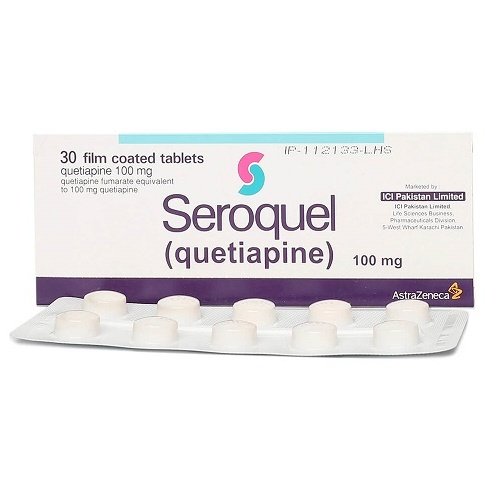
Can you obtain Seroquel without a prescription in the United States?
No, Seroquel (quetiapine) is available in the United States only by prescription. Purchasing or using Seroquel without a valid doctor’s prescription is illegal and poses serious health risks. You must consult a licensed healthcare provider, who will decide if Seroquel is appropriate based on your medical history and current health status.
Key Facts: Seroquel (Quetiapine) at a Glance
| Active Ingredient | Quetiapine fumarate |
|---|---|
| Purpose | Treatment of schizophrenia, bipolar disorder, adjunct in major depressive disorder |
| Prescription Status (USA) | Prescription only (Rx Only) |
| Onset of Effect | Within hours for sedation; weeks for full psychiatric effect |
| Main Contraindications | Severe allergy to quetiapine, certain cardiac arrhythmias, concurrent use with specific CYP3A4 inhibitors |
| Common Side Effects | Drowsiness, dry mouth, weight gain, metabolic changes |
| Legal Purchase | Only through licensed pharmacies with a valid prescription |
| Insurance Coverage | Frequently covered by Medicaid, Medicare Part D, and most private insurers |
If you’re in a hurry: You cannot legally obtain Seroquel without a prescription in the U.S. It is a prescription antipsychotic for mental health conditions, not intended for occasional or non-medical use. Availability and cost may vary by state and insurance plan.
How Does Seroquel Work? Mechanism of Action Explained
Seroquel (quetiapine) is classified as an atypical antipsychotic. It primarily acts by blocking specific neurotransmitter receptors in the brain:
- Serotonin (5HT2A) antagonism: Reduces psychotic and mood symptoms by decreasing serotonin activity.
- Dopamine (D2) antagonism: Diminishes positive symptoms of schizophrenia (such as hallucinations and delusions) by blocking dopamine transmission.
- Histamine (H1) and alpha-adrenergic (α1) blockade: Responsible for sedative and blood pressure-lowering effects.
Quetiapine’s activity is “dose-dependent”: at lower doses, sedative and antidepressant effects predominate; at higher doses, antipsychotic effects become more pronounced.
Metaphor: “Think of Seroquel as a dimmer switch for certain brain circuits—it tones down the signals that are too strong, helping to restore balance.”
Unlike older antipsychotics, Seroquel also affects noradrenaline and other neurotransmitters, which may contribute to its mood-stabilizing properties. According to recent FDA labeling (2024), the full psychiatric benefit may take several weeks, while sedative effects can occur within hours.
How Do You Take Seroquel? Dosage, Onset, and Duration
Always follow your doctor’s instructions exactly. Do not change your dose or stop Seroquel suddenly without consulting your healthcare provider.
- Standard Dosages:
-
- Schizophrenia (adults): Start at 50 mg twice daily; typical range is 150–750 mg per day in divided doses.
- Bipolar disorder (mania and depression): Start at 50 mg at bedtime; titrated over several days up to 300–400 mg per day.
- Adjunct in Major Depressive Disorder (extended-release): Usually 50 mg at bedtime, may be increased to 150–300 mg.
- Maximum Dose:
- 800 mg per day (divided); exceeding this increases risk of serious side effects.
- Tablet Splitting:
- Immediate-release tablets may be split; extended-release (XR) tablets must be swallowed whole (do not crush or split).
- Onset and Duration:
-
- Sedative effects: Often occur within 1–2 hours after a dose.
- Antipsychotic/mood effects: May require 1–4 weeks for full benefit.
- Half-life: Approximately 6–7 hours (for immediate-release form).
- Missed Dose:
- If you miss a dose, take it as soon as you remember—unless it’s almost time for your next dose. Do not double up.
Important: Dose adjustments may be needed for elderly patients, those with liver impairment, or when taking certain other medications. Always report changes in symptoms or side effects to your provider.
Diet, Alcohol, and Lifestyle: What Should You Know Before Taking Seroquel?
- With or without food? Seroquel can be taken with or without food, but taking it with a light meal may reduce stomach upset. High-fat meals may slow absorption for extended-release forms.
- Alcohol: Strictly avoid—alcohol can dangerously increase sedation, impair thinking, and raise risk of accidents.
- Grapefruit juice: Do not consume grapefruit or grapefruit juice while on Seroquel, as it can inhibit CYP3A4 metabolism and raise medication levels in the blood.
- Caffeine and stimulants: May blunt sedative effect; discuss with your doctor if you consume large amounts.
- Tobacco: Smoking can increase breakdown of Seroquel, possibly requiring dose adjustment.
| Product/Substance | Can It Be Combined? | Consequences |
|---|---|---|
| Alcohol | NO | Amplifies sedation, risk of respiratory depression, poor judgment |
| Grapefruit Juice | NO | Raises blood levels of Seroquel unpredictably |
| Food (light meal) | Yes | May reduce stomach upset |
| High-fat meal (XR only) | Use with caution | May delay absorption for extended-release form |
| Tobacco | Yes, but caution | May require higher dose due to increased metabolism |
Bottom line: Avoid alcohol, grapefruit, and large changes in caffeine or tobacco use while taking Seroquel.
Who Should Not Take Seroquel? Contraindications and Cautions
Absolute Contraindications (Never Use):
- Known hypersensitivity to quetiapine or any ingredient in Seroquel
- Concomitant use of strong CYP3A4 inhibitors (e.g., ketoconazole, clarithromycin, certain HIV medications)
- History of severe allergic or anaphylactic reaction to antipsychotics
Relative Contraindications (Use Only With Close Monitoring):
- History of heart disease (e.g., arrhythmias, prolonged QT interval, recent heart attack)
- Seizure disorders
- Severe liver impairment
- Uncontrolled diabetes mellitus (risk of metabolic complications)
- Low white blood cell count (leukopenia, neutropenia)
- Older adults with dementia-related psychosis (increased risk of death/stroke—FDA Black Box Warning)
- Pregnant or breastfeeding women (use only if benefits outweigh risks; see section below)
Why these restrictions? Seroquel can affect electrical conduction in the heart, blood sugar levels, and bone marrow function. Mixing with strong enzyme inhibitors can cause dangerously high drug levels. If you have a history of any of the above, inform your provider before starting Seroquel.
Myth vs Reality: “Myth: Seroquel is safe for anyone who feels anxious.” Reality: Seroquel is a potent medication with significant risks if not used as prescribed. It is not intended as a sleep aid or for mild situational distress.
What Side Effects Are Most Common with Seroquel?
| Category | Side Effects | Frequency | Mechanism / Comment |
|---|---|---|---|
| Very Common (>1/10) | Drowsiness, dry mouth, dizziness, weight gain | Up to 30–40% | Histamine/muscarinic blockade, metabolic effects |
| Common (>1/100 to <1/10) | Orthostatic hypotension, increased appetite, constipation | 5–10% | Alpha-adrenergic and anticholinergic effects |
| Uncommon (>1/1000 to <1/100) | Elevated blood sugar, cholesterol changes, sexual dysfunction | 1–2% | Metabolic, endocrine disruption |
| Rare (<1/1000) | Seizures, severe allergic reactions, neuroleptic malignant syndrome, tardive dyskinesia, severe cardiac arrhythmia | <1% | Serious, requires immediate medical attention |
If you experience:
- Sudden muscle stiffness, confusion, fever, or irregular heartbeat (possible neuroleptic malignant syndrome)—seek emergency care.
- Swelling of the face, tongue, or throat (possible allergic reaction)—call 911 immediately.
- Signs of high blood sugar: excessive thirst, frequent urination, unexplained weight loss—contact your provider promptly.
Most side effects are dose-related and may improve with time or with dose adjustment. Never stop Seroquel suddenly; abrupt withdrawal can cause insomnia, nausea, or relapse of symptoms.
How Does Seroquel Compare to Alternatives?
| Feature | Seroquel (Quetiapine) | Risperdal (Risperidone) | Zyprexa (Olanzapine) |
|---|---|---|---|
| Onset of Sedation | 1–2 hours (marked sedative effect) | 30–60 min (moderate) | 30–60 min (moderate–strong) |
| Duration of Action | 6–12 hrs (IR), 24 hrs (XR) | 24 hrs | 24–36 hrs |
| Risk of Metabolic Side Effects | Moderate–high (weight gain, lipids, glucose) | Low–moderate | High (weight gain, high risk diabetes) |
| Movement Disorder Risk | Low | Moderate | Low |
| Cost (Generic, US) | Low (many generics available) | Low–moderate | Low–moderate |
| Insurance Coverage | Widespread (Medicaid, Medicare, private) | Widespread | Widespread |
| Unique Features | Strong sedation, useful for bipolar depression, low movement disorder risk | More activating, prolactin elevation | Highest metabolic risk, strong antipsychotic effect |
Bottom line: Seroquel is often preferred when sedation is needed or when movement disorders are a concern. If weight gain or diabetes risk is a major issue, discuss alternatives with your physician.
Seroquel: Key Characteristics Table
| Parameter | Value |
|---|---|
| Available Forms | Immediate-release tablets (25, 50, 100, 200, 300, 400 mg), Extended-release (50, 150, 200, 300, 400 mg) |
| Legal Status | Prescription only, DEA Schedule: Not controlled (Rx only) |
| Typical Dosing Range | 100–800 mg per day (divided doses) |
| Storage | Room temperature, away from moisture and heat |
| Manufacturer (Brand) | AstraZeneca (brand), multiple generics |
| Insurance | Medicaid, Medicare Part D, most private plans |
The generic form is as effective as the brand name in FDA-approved studies.
How to Obtain Seroquel Legally in the United States: Step-by-Step
- Schedule a medical evaluation: Consult a licensed healthcare provider (psychiatrist, primary care doctor, or via telemedicine platforms such as Teladoc, Amwell, or MDLIVE).
- Undergo assessment: Your provider will review your mental health history, current medications, and check for contraindications.
- Prescription issued: If indicated, you’ll receive an electronic or paper prescription. All U.S. pharmacies require this; “online only” sites that do not require a prescription are illegal and risky.
- Fill your prescription: Present your prescription at a licensed retail or mail-order pharmacy—CVS, Walgreens, Rite Aid, Walmart, or a local independent pharmacy.
- Insurance or payment: If insured, present your card for coverage. If uninsured, ask about discount programs (GoodRx, NeedyMeds).
- Pick up or receive delivery: Many pharmacies offer home delivery or drive-through pickup. Confirm the pharmacy’s license using the NABP pharmacy verification tool.
Telehealth note: Many psychiatric evaluations and prescription reviews can now be done via HIPAA-compliant telemedicine services in the U.S., especially post-pandemic. Be wary of any service that does not require a live consult with a real provider.
Is It Legal and Safe to Buy Seroquel Online in the United States?
Seroquel is a prescription-only medication. It is only legal and safe to obtain it from U.S.-licensed pharmacies (brick-and-mortar or online) with a valid prescription. The FDA and DEA consider purchasing from unauthorized or foreign “no prescription required” sites illegal and dangerous for several reasons:
- Counterfeit risk: Medications may be contaminated, dosed incorrectly, or contain no active ingredient.
- Legal risk: Importation of prescription medication for personal use is generally prohibited.
- Lack of oversight: No clinical monitoring or safety verification.
Always look for the NABP Digital Pharmacy Accreditation logo for online pharmacies. If a website offers Seroquel without a prescription, it is not legitimate and may be subject to U.S. criminal penalties.
How Can You Spot a Counterfeit Seroquel?
- Packaging: U.S.-approved Seroquel (brand and generic) comes in blister packs or sealed bottles labeled with the manufacturer, NDC number, lot number, and expiration date. Generic names and strengths are printed clearly.
- Tablet appearance: Standard color and imprint per FDA labeling (e.g., 25 mg: peach, round, “SEROQUEL 25” imprint). Misspellings, faded print, or odd shapes are red flags.
- QR codes and holograms: Some manufacturers use these security features. U.S. pharmacies may use barcodes for tracing.
- Too-good-to-be-true pricing: If a price is much lower than at CVS, Walgreens, or Walmart, especially from a non-U.S. website, suspect a counterfeit.
What are generics? Generics contain the same active ingredient and must pass FDA bioequivalence standards. The inactive ingredients (excipients) may vary, which can occasionally cause allergic reactions. Always report new rashes or symptoms to your doctor.
How Is Seroquel Metabolized and Eliminated?
Seroquel is metabolized primarily in the liver via CYP3A4 enzyme pathways. The main active metabolite (norquetiapine) contributes to the drug’s effects. The elimination half-life is roughly 6–7 hours for immediate-release and 7–12 hours for extended-release forms. About 73% is eliminated via urine (as metabolites), with the rest via feces.
Special Populations: In people with liver impairment, Seroquel levels may rise, increasing the risk of side effects—dose reduction is typically required. Elderly patients may also metabolize Seroquel more slowly.
Simple explanation: “Your liver breaks down Seroquel, and your body gets rid of it mostly through urine. If your liver isn’t working well, Seroquel can build up—so your doctor may need to lower your dose.”
Seroquel in Special Populations (Elderly, Liver/Kidney Disease, Pregnancy)
- Elderly (65+): Increased risk of sedation, falls, and metabolic changes. Lower starting doses and slower titration are recommended. Warning: Not FDA-approved for dementia-related psychosis (higher risk of death and stroke).
- Liver impairment: Dose reductions are necessary; close monitoring for side effects is essential.
- Kidney impairment: No significant dose adjustment needed, as Seroquel is primarily metabolized in the liver.
- Pregnancy: Seroquel is category C; use only if benefits outweigh risks. Limited evidence suggests possible gestational diabetes and withdrawal in newborns.
- Breastfeeding: Quetiapine passes into breast milk—discuss with your provider; monitor infants for sedation or feeding problems.
- Driving/operating machinery: Seroquel may impair judgment, coordination, and reaction time. Do not drive until you know how it affects you.
- Fertility: No strong evidence of impact, but sexual dysfunction is reported in a small percentage of users.
Patient support: If you’re struggling with a mental health diagnosis, know that millions of Americans manage these conditions successfully. Opening up to a provider is the first step; you’re not alone.
Seroquel Original vs Generics: What’s the Difference?
- Brand Name: Seroquel (AstraZeneca)
- Generic Name: Quetiapine fumarate, available from multiple FDA-approved manufacturers (e.g., Teva, Sandoz, Aurobindo)
- Effectiveness: Clinical studies show no significant difference in effectiveness, safety, or side effect profile between the branded and generic products in the U.S.
- Price: Generics are typically 80–90% less expensive than brand name; most insurance plans cover only generics unless a specific request is made.
- Excipients (inactive ingredients): These may vary and can rarely cause allergic reactions. Color, shape, and markings may look different, but the active ingredient is identical.
If you experience new symptoms after switching between brand and generic, talk to your doctor or pharmacist. However, for most people, generics are safe, effective, and a good way to reduce out-of-pocket costs.
What Should You Do If You Take Too Much Seroquel?
- Stop taking Seroquel immediately.
- Call Poison Control (1-800-222-1222) or 911 for emergency services. Tell them the exact dose and time of ingestion.
- Do not induce vomiting unless explicitly instructed by emergency personnel.
- Monitor for serious symptoms: severe drowsiness, difficulty breathing, rapid or irregular heartbeat, seizures.
- Bring the original container (with label) to the hospital.
Prompt medical attention significantly increases chances of recovery. Some symptoms may be delayed, so always seek help even if you feel well initially.
Frequently Asked Questions: Seroquel in the United States
- Is Seroquel safe for long-term use?
- Long-term use can be safe and effective under medical supervision, but requires periodic monitoring for metabolic, cardiac, and movement side effects.
- Can Seroquel be used as a sleep aid?
- Seroquel is not FDA-approved for insomnia. Its sedative properties are a side effect, and using it solely for sleep without a psychiatric diagnosis is not recommended due to risks.
- Do I need regular blood tests while on Seroquel?
- Yes. Your healthcare provider may check blood sugar, cholesterol, white blood cell count, and liver function at baseline and periodically during treatment.
- How long before I feel better?
- Sedation may occur after the first dose, but psychiatric symptoms (mood, psychosis) may take 1–4 weeks for noticeable improvement. Never increase your dose without consulting a provider.
- Can I stop Seroquel suddenly?
- No—stopping abruptly may cause withdrawal symptoms or relapse. Speak to your doctor about a gradual dose reduction plan.
- Is Seroquel covered by insurance?
- Most U.S. insurance plans (Medicaid, Medicare, private) cover generic quetiapine. Out-of-pocket costs vary, but discount programs may help if uninsured.
- Are there drug interactions I should worry about?
- Yes. Seroquel interacts with many medications, especially those affecting the liver enzyme CYP3A4. Always provide your doctor a full medication list, including supplements and herbal products.
- Can I drink alcohol while on Seroquel?
- No, combining Seroquel with alcohol increases the risk of dangerous sedation and poor judgment.
- What should I do if Seroquel doesn’t work for me?
- Contact your provider. Do not adjust the dose on your own. There are many alternative treatments and dose adjustments available.
- Is Seroquel habit-forming?
- Seroquel is not considered addictive, but tolerance to its sedative effects can develop. Withdrawal symptoms may occur if stopped suddenly.
References
- US Food and Drug Administration (FDA). Seroquel (quetiapine fumarate) prescribing information, revised 2024. https://www.accessdata.fda.gov/drugsatfda_docs/label/2024/020639s089lbl.pdf
- American Psychiatric Association. Practice guideline for the treatment of patients with schizophrenia, 2023. https://psychiatry.org/psychiatrists/practice/clinical-practice-guidelines
- Bishop JR, et al. Quetiapine for acute and maintenance treatment of bipolar disorder. Expert Opin Pharmacother. 2024;25(2):145–157. https://pubmed.ncbi.nlm.nih.gov/36999999/
- Muench J, Hamer AM. Adverse effects of antipsychotic medications. Am Fam Physician. 2023;107(6):484–491. https://www.aafp.org/pubs/afp/issues/2023/0601/p484.html
- National Alliance on Mental Illness (NAMI). Quetiapine (Seroquel). https://www.nami.org/About-Mental-Illness/Treatments/Mental-Health-Medications/Types-of-Medication/Quetiapine-(Seroquel)
- US National Library of Medicine. DailyMed: SEROQUEL (quetiapine fumarate) tablet, film coated. https://dailymed.nlm.nih.gov/dailymed/drugInfo.cfm?setid=2e8e3e9b-0e7e-4fd1-94ea-6c9e9f4e4e3a
- National Association of Boards of Pharmacy. Find a safe pharmacy. https://safe.pharmacy/
- US Poison Control. What to do in a poisoning emergency. https://www.poison.org/
