
- Home/
- Buy Clomid Without Prescription Online in the United States
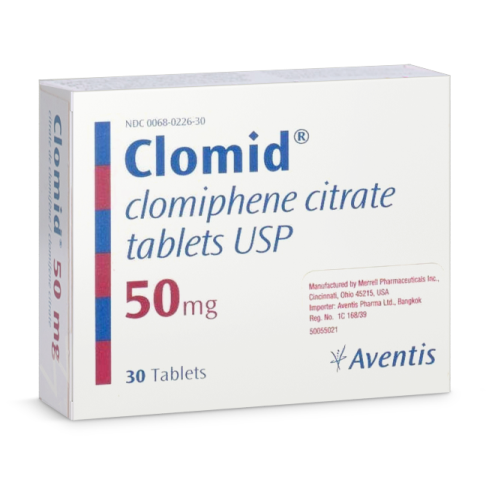
Clomid (clomiphene) is a prescription medication that helps certain women with infertility to ovulate, making pregnancy more likely. In the United States, it’s often the first medication doctors try for women who don’t ovulate regularly. The most important thing to know before you start: Clomid is highly effective for some women, but not all—what happens in real life can differ from what you might expect after reading success stories online.
Is Clomid Really the Right Start for Infertility in the US?
Somewhere between hope and uncertainty, most women searching for answers about infertility in the United States find their way to Clomid. Maybe your doctor just mentioned it, or maybe a friend told you this pill changed her life. But there’s a question you may not have voiced yet: is Clomid really the best first step—or just the most common?
Clomid is prescribed for women who aren’t ovulating regularly, a situation that includes a range of causes, from polycystic ovary syndrome (PCOS) to unexplained anovulation. It’s been on the market in the US for decades and is almost always the initial prescription before more complex (and expensive) fertility treatments are considered.
But the real-world story of Clomid is more complicated than just “take this, and you’ll get pregnant.” The drug is effective for many—especially women whose main issue is ovulation—but not for all. Age, underlying diagnosis, and how many cycles you’ve already tried all matter. For some, Clomid is a stepping stone; for others, it’s a destination. That’s why understanding the role Clomid plays in female infertility treatment in the US is the foundation for every other decision you’ll make on this journey.
Clomid in Real Life: What to Expect When You Begin
The first Clomid cycle can feel like both a new beginning and a high-stakes experiment. Most women in the United States start with a 50 mg dose, taken for five days early in their cycle. What happens next is where expectations and reality often part ways.
- Ovulation doesn’t mean pregnancy: Clomid often induces ovulation, but this doesn’t always translate to pregnancy on the first—or even the third—cycle. The national average for conception per cycle is about 10–12% for women with regular cycles induced by Clomid, but this can vary widely.
- You might not feel different: Some women report mood swings or hot flashes, but many have no obvious side effects. Don’t assume the medication isn’t working just because you don’t “feel” anything.
- Monitoring can be minimal or intensive: In the US, some OB/GYNs will prescribe Clomid with little more than a basic follow-up, while fertility specialists may schedule ultrasounds and bloodwork to monitor your response. Insurance coverage, practice setting, and patient history all influence how closely you’ll be followed.
Many patients are surprised to learn that the first cycle is partly about figuring out whether you respond to Clomid at all. If you don’t ovulate, your doctor may adjust the dose upward or consider alternatives. If you do ovulate but don’t conceive after several cycles, it’s time to reassess the plan.
- Ovulation Induction
- The process of stimulating the ovaries to produce and release an egg, usually with medication, in women who do not ovulate regularly.
How Clomiphene Works—And Why That Matters for Your Fertility
Clomid’s science is deceptively simple: its active ingredient, clomiphene, tricks your brain into thinking your estrogen is lower than it really is. This pushes your body to release more follicle-stimulating hormone (FSH) and luteinizing hormone (LH), both of which drive your ovaries to mature and release an egg. But the details of how this plays out in your body change everything about your experience with the drug.
“In my practice, the most common misconception is that Clomid guarantees ovulation—and that ovulation guarantees a fair shot at pregnancy. The reality is more nuanced: the medication can help the ovaries do their job, but other factors—uterine lining, sperm quality, timing—still matter just as much. I always tell patients: Clomid is a powerful tool, not a magic bullet.”
Understanding clomiphene’s mechanism also sheds light on its side effects. Because it blocks estrogen receptors throughout the body, you may notice hot flashes, mood swings, or changes in cervical mucus or uterine lining. These effects can influence the chances of conception, especially if the lining becomes too thin for implantation. This is one reason why close monitoring is sometimes recommended: the goal is not just ovulation, but creating the best possible environment for pregnancy.
The way clomiphene works also means it’s less effective in women with certain conditions—like low ovarian reserve—or after a certain age. For others, it can be exactly the jumpstart their bodies need.
The First Pill Comparison: Clomid vs. Other Female Infertility Treatments
| Feature | Clomid (Clomiphene) | Letrozole (Femara) | Injectable Gonadotropins |
|---|---|---|---|
| Approved Use | Ovulation induction in women with certain types of infertility | Used off-label for ovulation induction | Ovarian stimulation (mainly for IVF or resistant cases) |
| Mechanism | Estrogen receptor modulator; increases FSH/LH | Aromatase inhibitor; lowers estrogen to increase FSH | Directly stimulates ovaries with FSH/LH |
| Typical Monitoring | Minimal to moderate | Similar to Clomid | Intensive: frequent ultrasounds/bloodwork |
| Effectiveness | 60–80% ovulation, 30–40% pregnancy | Similar or slightly higher pregnancy rates in PCOS | Higher per-cycle pregnancy rates, but greater risk/cost |
| Common Side Effects | Hot flashes, mood swings, thin uterine lining | Fatigue, headache, less effect on lining | Ovarian hyperstimulation, multiple pregnancy |
| Risk of Multiples | 8–10% (mostly twins) | 5–7% | Up to 30% (higher-order multiples possible) |
| Prescription in US | Yes | Yes (off-label) | Yes |
| Cost (US, per cycle) | Low ($10–$100) | Low ($20–$100) | High ($1000+) |
| Insurance Coverage | Often covered for diagnosis, variable for medication | Variable, off-label use may affect | Often only for certain diagnoses |
Clomid holds a unique place in the US treatment landscape. It’s the only oral medication FDA-approved for ovulation induction. Letrozole, while used widely and sometimes preferred for PCOS, is technically “off-label” in this setting but supported by strong evidence. Injectable gonadotropins are usually reserved for women who don’t respond to oral agents, or as part of more advanced fertility treatment (like IVF) due to their cost, complex monitoring, and higher risk of multiples.
For most women starting fertility treatment in the United States, Clomid is the “gentlest” first step—affordable, accessible, and with a long track record. But if you have specific medical conditions, or if Clomid cycles don’t lead to ovulation, your doctor may recommend switching to letrozole or moving to injections faster than you expected.
Taking Clomid: Getting the Dosing Right
Clomid dosing is more art than arithmetic. Most US physicians begin with 50 mg daily for five days, starting on day 3, 4, or 5 of your menstrual cycle. But your response—not a formula—guides what comes next.
| Patient Situation | Starting Dose | Maximum Dose | Monitoring | Adjustment |
|---|---|---|---|---|
| First cycle, regular periods | 50 mg x 5 days | 100 mg x 5 days | Minimal (ovulation predictor kits or temperature tracking) | Increase dose if no ovulation |
| PCOS, irregular cycles | 50 mg x 5 days | 150 mg x 5 days | More frequent monitoring may be recommended | Increase by 50 mg increments if no response |
| Older patients or low ovarian reserve | May start at 100 mg | 150 mg x 5 days | Ultrasound and hormone levels often monitored | Switch to alternative if no response by 3 cycles |
| Obese patients | 50–100 mg x 5 days | 150 mg x 5 days | Individualized; higher doses may be needed | Doctor may combine with metformin |
Most women ovulate at the starting dose, but about one in four need a higher dose. Taking more than 150 mg daily is rarely effective and increases side effects. If you don’t ovulate after three cycles at the maximum dose, your doctor will likely recommend a different approach. The number of cycles is capped for another reason: the chance of pregnancy decreases after six cycles, and long-term use is not recommended due to unknown risks.
Which Side Effects Matter Most with Clomid – and When to Act
Hot flashes. Mood swings. Headaches. For some women, these are just minor inconveniences of Clomid. For others, they’re reasons to reconsider. But buried among the common side effects are a few warning signs you can’t afford to ignore.
- Hot flashes and night sweats: These are the most common, affecting up to 10–20% of women. They’re uncomfortable, but not dangerous.
- Mood changes: Some women experience irritability or mood swings—sometimes enough to affect relationships or daily life. If you notice severe changes, alert your healthcare provider.
- Visual disturbances: Blurred vision, flashes, or spots can occur in rare cases (<1%). These are a reason to stop the medication and contact your doctor immediately.
- Abdominal discomfort or swelling: Ovarian enlargement can cause bloating or pelvic pain. If pain is severe or accompanied by nausea, vomiting, or rapid weight gain, this could indicate ovarian hyperstimulation syndrome (OHSS), which requires urgent evaluation.
- Thinned uterine lining: This side effect is invisible, but may be seen on ultrasound. It can decrease the chance of implantation and is one reason your doctor might switch you to a different medication if pregnancy doesn’t occur after several cycles.
While Clomid is considered safe for short-term use, the side effects—especially the emotional ones—can catch patients off guard. Honest conversations with your doctor make a difference here: if you’re struggling, adjustments can be made.
| Side Effect | How Common? | When to Contact Your Doctor |
|---|---|---|
| Hot flashes | 10–20% | If severe or interfering with sleep |
| Mood swings/irritability | 5–10% | If severe, persistent, or affecting daily life |
| Visual disturbances | <1% | Immediately stop medication and call doctor |
| Ovarian enlargement | 1–5% | With severe pain, nausea, vomiting, or swelling |
| Ovarian hyperstimulation syndrome (OHSS) | <1% | Urgent: severe pain, rapid weight gain, shortness of breath |
| Thinned uterine lining | Not always symptomatic; seen on ultrasound | If recurrent, may need medication switch |
Most side effects are reversible once you stop taking Clomid. Let your doctor know about any symptoms that feel new, uncomfortable, or worrisome during your cycle. This isn’t just about comfort—it’s about safety and success.
When Not to Take Clomid: Absolute and Relative Contraindications
- Are already pregnant
- Have liver disease or a history of abnormal liver function tests
- Have unexplained abnormal uterine bleeding
- Have ovarian cysts not related to PCOS
- Have uncontrolled thyroid or adrenal disorders
- Are allergic to clomiphene or any ingredient in Clomid
These are absolute contraindications—situations where Clomid is unsafe or ineffective. Beyond these, there are relative contraindications where the risk/benefit balance must be carefully considered.
- Age over 40: Clomid is less effective and fertility specialists may recommend more aggressive approaches.
- Low ovarian reserve: Diminished ovarian reserve (as measured by blood tests or ultrasound) predicts lower response rates.
- Severe male infertility: If the primary issue is sperm quality or count, Clomid is unlikely to help. Addressing the male factor comes first.
- Blocked fallopian tubes: Clomid can induce ovulation, but if the egg can’t reach the uterus, pregnancy cannot occur.
- Previous failure on Clomid: If you’ve tried three cycles at the appropriate dose with no response, it’s time for a new plan.
Even in borderline cases, a frank discussion with your doctor is essential. The right medication is the one matched not just to a diagnosis, but to your whole clinical picture.
Getting Clomid in the US: Access, Cost, and What to Ask at the Pharmacy
Clomid is a prescription medication in the United States. Federal law requires a licensed healthcare provider’s approval, and your pharmacy—whether brick-and-mortar or online—will need a valid prescription to dispense it. Unlike over-the-counter supplements marketed for fertility, Clomid’s use and safety are closely regulated by the Food and Drug Administration (FDA).
- Get evaluated: Your doctor will order blood tests (FSH, LH, AMH, thyroid), check your uterine anatomy (often via ultrasound), and sometimes test your partner’s sperm before prescribing.
- Prescription: Most OB/GYNs can prescribe Clomid. Fertility clinics often provide more monitoring but aren’t required for access.
- Choose your pharmacy: Most chain and independent pharmacies carry Clomid or its generic. Some online US-based pharmacies offer mail order, but beware of international websites advertising “no prescription” Clomid—they are illegal and unsafe.
- Check insurance coverage: Some US plans cover the evaluation and monitoring, but not always the medication. Clomid is inexpensive out-of-pocket (as low as $10 per cycle with a coupon or generic).
- Ask the pharmacist: Confirm whether you’re receiving brand or generic, double-check the dosing instructions, and ask about price differences and pill appearance (generics may look different).
Clomid is widely available in the US, but not every pharmacy stocks every strength. If you receive a lower/higher strength than prescribed, ask your pharmacist how to adjust the number of tablets accordingly.
FAQ about Clomid in the United States
- How long does it take for Clomid to work?
- Most women ovulate 5–10 days after the last tablet, though it may take more than one cycle to achieve pregnancy. If you don’t ovulate after the first cycle, your doctor will likely increase the dose for the next one.
- Is Clomid safe to use with PCOS?
- Clomid is commonly used as a first-line treatment for PCOS-related infertility. However, some women with PCOS may respond better to letrozole, especially if there’s a history of poor response to Clomid.
- What are the chances of having twins or more?
- The twin rate with Clomid is about 8–10%, which is higher than in natural conception but much lower than with injectable fertility drugs. Higher-order multiples (triplets or more) are rare.
- Do I need to have ultrasounds or bloodwork every cycle?
- Some doctors recommend close monitoring, especially during your first cycle or if you have risk factors for side effects. Others may use less intensive monitoring in straightforward cases. Ask your provider what’s standard in their practice and why.
- Can I take Clomid if I’m over 40?
- Fertility specialists generally advise against Clomid for women over 40, as the success rates drop and alternative treatments may be more effective. Individual circumstances differ, but age changes the equation.
- How many cycles of Clomid can I try?
- Most guidelines recommend no more than six cycles. If you haven’t become pregnant after three to six cycles with proper ovulation, it’s time to consider other options.
- Does generic clomiphene work as well as brand-name Clomid?
- Yes, studies show that US-approved generic clomiphene is equivalent in effectiveness and safety to brand-name Clomid. The main difference is cost and sometimes pill appearance.
