
- Home/
- Buy Ventolin Inhaler at Low Price in the United States
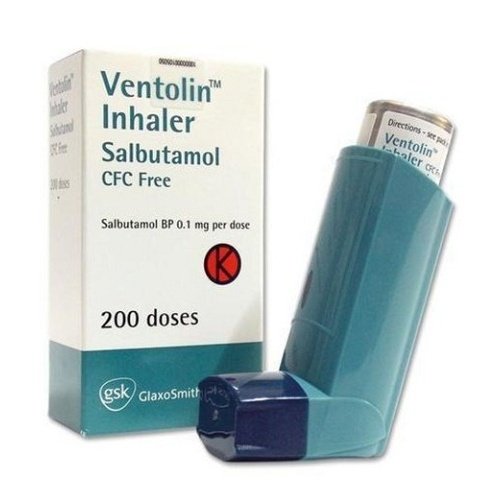
Ventolin Inhaler in the United States: An Expert, Safe, and Practical Guide
Direct Answer: In the United States, Ventolin Inhaler (salbutamol, also known as albuterol) is a prescription medication regulated by the U.S. Food and Drug Administration (FDA). Purchasing or using Ventolin Inhaler without a valid prescription issued by a licensed healthcare provider is illegal and unsafe.
Key Facts: Ventolin Inhaler at a Glance
| Parameter | Details (2026, United States) |
|---|---|
| Active Ingredient | Salbutamol (albuterol sulfate) |
| Indication | Relief of acute asthma symptoms, prevention of exercise-induced bronchospasm |
| Prescription Required? | Yes (by federal law) |
| Onset of Action | Within 5 minutes (peak effect 15–30 minutes) |
| Main Contraindications | Severe hypersensitivity, serious cardiac arrhythmias, unstable cardiac disease |
| Typical Price (2026) | $35–$60 per inhaler (varies by insurance and location) |
| Legal Purchase | Licensed pharmacies and telemedicine, prescription required |
How Does Ventolin Inhaler Work? Mechanism of Action Explained
Ventolin Inhaler contains salbutamol (called albuterol in the U.S.), a short-acting beta-2 adrenergic receptor agonist. When inhaled, it binds specifically to beta-2 receptors on the smooth muscle cells lining the airways. This interaction activates adenylate cyclase, increasing cyclic AMP (cAMP) levels, which leads to relaxation of bronchial smooth muscle and opens the airways (FDA; PubMed).
The effect is rapid—most patients experience relief within five minutes, with peak bronchodilation between 15 and 30 minutes. Duration of action typically lasts 4–6 hours. Salbutamol acts independently of external triggers, providing symptom relief during acute asthma attacks or before exercise for prevention.
Metaphor: Imagine your airways are narrow tunnels clogged with traffic. Ventolin Inhaler acts like a fast-moving tow truck clearing the blockages, allowing traffic (air) to flow freely almost right away.
Pharmacokinetically, inhaled salbutamol reaches the bronchi quickly, with lower systemic absorption and less risk of side effects compared to oral administration. About 10–20% is absorbed into the bloodstream, metabolized in the liver, and eliminated via the kidneys. The half-life is approximately 3–6 hours (FDA).
Expert Commentary from doctor
In my practice, I find many patients mistakenly believe Ventolin Inhaler is a treatment for the underlying cause of asthma, when it only relieves symptoms by relaxing airway muscles. It’s essential to recognize that overusing Ventolin—using it beyond prescribed limits—can worsen asthma control and mask disease severity. I often remind patients to monitor how often they reach for their inhaler; frequent use signals the need to reassess their overall asthma management plan. Inhaler technique is another frequent issue—I always recommend reviewing this with a pharmacist or respiratory therapist to maximize benefit and minimize side effects. If you’re unsure of your inhaler technique, ask your provider for a demonstration.
How Should I Use Ventolin Inhaler? Dosage and Timing
| Situation | Recommended Dose | Max Frequency | Peak Effect | Duration |
|---|---|---|---|---|
| Acute Asthma Symptoms (Adults) | 1–2 inhalations (90–180 mcg) | Every 4–6 hours as needed (do not exceed 8 puffs/day) | 5–15 min | 4–6 hours |
| Prevention of Exercise-Induced Bronchospasm (Adults & Children) | 2 inhalations (180 mcg) 15–30 min before exercise | As single dose, not to be repeated within 4 hours | 5–15 min | Up to 6 hours |
| Children (4–11 years) | 1 inhalation (90 mcg) | Every 4–6 hours as needed (max 4 puffs/day) | 5–15 min | 4–6 hours |
Never exceed the maximum recommended daily dose. For elderly patients, dosing remains similar, but extra caution is advised due to increased risk of cardiac side effects. If you require your inhaler more than twice a week (excluding pre-exercise use), consult your physician—this may indicate poorly controlled asthma.
- Ventolin Inhaler should be shaken well before use.
- Rinse your mouth after inhalation to reduce side effects.
- Do not split or crush the canister contents; only use with the supplied device.
Ventolin Inhaler and Food, Alcohol, and Lifestyle Factors: What Should I Watch Out For?
- Does food impact Ventolin Inhaler’s absorption?
- No. Inhaled salbutamol is absorbed through the lungs, so meals, including fatty foods, do not affect its efficacy.
- Can I drink alcohol while using Ventolin Inhaler?
- Occasional moderate alcohol use (e.g., up to one drink/day for women, two for men) is unlikely to interact significantly. However, excess alcohol may worsen asthma and increase risk of side effects such as rapid heartbeat and dizziness.
- What about grapefruit juice?
- Unlike some oral medications, inhaled salbutamol is not significantly affected by grapefruit juice. No clinical evidence suggests a direct interaction (Mayo Clinic).
- Are there any lifestyle factors to consider?
- Smoking, poor inhaler technique, and exposure to asthma triggers (dust, pollen) can reduce the effectiveness of Ventolin Inhaler. Maintaining a healthy lifestyle and avoiding triggers remains crucial.
Who Should Not Use Ventolin Inhaler? Contraindications Explained
| Type | Contraindication | Why? |
|---|---|---|
| Absolute | Severe hypersensitivity to salbutamol/albuterol or any inhaler component | Risk of immediate allergic reaction (anaphylaxis) |
| Absolute | Life-threatening arrhythmias or severe cardiac disease (e.g., unstable angina) | Salbutamol may induce tachycardia, worsening heart rhythm problems |
| Relative | Uncontrolled hyperthyroidism | Beta-agonists can worsen heart-related symptoms |
| Relative | Severe hypertension | May cause further increase in blood pressure |
| Relative | Pregnancy (especially first trimester) | Only if benefits outweigh risks; discuss with OB-GYN |
If you have had a recent heart attack (within 6 weeks), Ventolin Inhaler should only be considered under strict medical supervision. Always disclose your full medical history to your provider before starting this medication.
What Side Effects Are Most Common with Ventolin Inhaler?
| Frequency | Side Effect | Explanation |
|---|---|---|
| Very Common (>1 in 10) | Tremor, nervousness, rapid heartbeat | Due to beta-2 stimulation in muscle and heart |
| Common (1–10 in 100) | Headache, muscle cramps, throat irritation | Direct local or systemic effect |
| Uncommon (1–10 in 1000) | Nausea, palpitations, dizziness | Systemic absorption |
| Rare (<1 in 1000) | Chest pain, irregular heartbeat (arrhythmia), allergic reaction | Cardiac or immune response |
| Very Rare (<1 in 10,000) | Paradoxical bronchospasm (worsening breathing) | Unpredictable airway reaction |
If you experience chest pain, severe palpitations, swelling of the face/lips, or breathing worsens after use, seek emergency medical help immediately. For minor side effects, discuss with your doctor at your next appointment—they may adjust your regimen or check inhaler technique.
Common Patient Mistakes Observed by doctor
- Overuse of Ventolin Inhaler: Some patients use it multiple times daily for weeks instead of addressing underlying asthma control, risking worsening symptoms and increased side effects. Solution: If you need it more than twice weekly, consult your doctor about long-term control therapy.
- Poor inhaler technique: Incorrect inhalation timing or forgetting to shake the canister reduces medication delivery to the lungs. Solution: Ask your healthcare provider or pharmacist to review correct inhaler technique periodically.
- Forgetting to track doses: Not counting remaining doses can lead to running out during an attack. Solution: Check the dose counter regularly and refill before you run out.
- Not rinsing mouth afterward: Failing to rinse can increase local irritation and, rarely, oral infections. Solution: Always rinse your mouth after use.
- Ignoring new or worsening symptoms: Relying solely on reliever inhalers and not seeking medical review when symptoms escalate can delay necessary adjustments to therapy. Solution: Track symptom frequency and see your provider promptly if your asthma feels worse.
How Does Ventolin Inhaler Compare to Alternatives?
| Drug (Brand Name) | Active Ingredient | Onset Speed | Duration | Typical Price (USD, 2026) | Key Side Effects | Prescription? |
|---|---|---|---|---|---|---|
| Ventolin HFA (GSK) | Albuterol sulfate | 5 min | 4–6 hours | $35–$60 | Tremor, tachycardia | Yes |
| ProAir HFA (Teva) | Albuterol sulfate | 5 min | 4–6 hours | $30–$55 | Tremor, tachycardia | Yes |
| Xopenex HFA | Levalbuterol | 5–10 min | 4–6 hours | $70–$120 | Less tremor, possible dizziness | Yes |
Bottom line: All three are fast-acting inhalers approved for acute asthma relief in the U.S., with similar onset and duration. Xopenex HFA (levalbuterol) may cause slightly fewer side effects but is usually more expensive. Generics are widely available and often reimbursed under most insurance plans.
Ventolin Inhaler: Key Characteristics Table
| Parameter | Value |
|---|---|
| Formulation | Metered-dose inhaler, 90 mcg/actuation |
| Active ingredient | Albuterol sulfate |
| Prescribing restriction | Prescription required |
| Peak plasma time | 2–3 hours |
| Elimination route | Renal, hepatic metabolism |
| Half-life | 3–6 hours |
| Generic available? | Yes |
Questions Frequently Asked to doctor
- Is it dangerous to use Ventolin Inhaler every day?
- Ventolin Inhaler is designed for symptom relief, not daily control. If you need it daily (outside exercise), your asthma may be poorly controlled—please contact your doctor to review your regimen.
- Can I use Ventolin with other asthma medications?
- Yes. Ventolin Inhaler is usually combined with controller medications (inhaled corticosteroids, leukotriene modifiers) but always follow your provider’s instructions to avoid drug interactions or excessive use.
- What should I do if I miss a dose?
- Ventolin is used as needed. If you forget to use it during an attack, take a dose as soon as you notice symptoms. For prevention before exercise, use as prescribed—do not double up if you forget.
- Are there any long-term risks with frequent Ventolin use?
- Frequent use is associated with increased side effects (e.g., tachycardia, tremor) and may signal worsening asthma, which could risk severe attacks. Discuss with your physician if you need it more often.
- Can I drink alcohol while on Ventolin?
- Occasional light drinking is not generally contraindicated, but excess alcohol can worsen asthma and side effects. Always use caution and monitor your symptoms.
- Is Ventolin safe for children and the elderly?
- Yes, when prescribed and supervised by a healthcare professional. The dosing for children is lower, and the elderly should be watched closely for heart side effects.
- Does Ventolin affect driving or operating machinery?
- Rarely, but side effects such as dizziness or tremor may impair ability. Never drive if you feel unwell after inhaler use.
Step-by-Step: How to Obtain Ventolin Inhaler Legally in the United States
- Consult a healthcare provider. Schedule a visit with your primary care physician, allergist, pulmonologist, or a board-certified telemedicine provider. Virtual appointments are widely accepted for ongoing asthma care.
- Asthma assessment and diagnosis. The provider will review your medical history, perform lung function tests (spirometry), and determine the need for Ventolin Inhaler.
- Prescription issuance. If indicated, your provider will issue a prescription (paper or electronic), often renewable for several months.
- Choose a licensed pharmacy. Fill your prescription at any brick-and-mortar or FDA-registered online pharmacy. Never use a pharmacy that offers Ventolin Inhaler without a prescription—these are illegal and high risk for counterfeits.
- Insurance and payment. Most insurance plans (including Medicare, Medicaid, and private insurers) cover Ventolin Inhaler. Out-of-pocket price ranges from $35–$60. Patient assistance programs are available for those without coverage.
- Medication pick-up or delivery. Many U.S. pharmacies offer home delivery for asthma medications. Confirm the pharmacy is NABP-accredited or displays the “VIPPS” seal for online legitimacy.
Remember: Prescription-only status is a patient safety measure, ensuring you receive the right diagnosis and avoid dangerous self-medication.
How to Identify Counterfeit Ventolin Inhaler in the United States
- Check packaging: Original Ventolin Inhalers are sold in a blue-and-white box labeled “Ventolin HFA” or “albuterol sulfate.” The canister is marked with manufacturer details (e.g., GSK for Ventolin, Teva for ProAir).
- Look for dose counter: Authentic inhalers have a dose counter and an expiration date printed clearly.
- Examine the device: The mouthpiece cover fits snugly; the spray should be fine and odorless.
- Inspect for security features: As of 2026, many U.S. inhalers include QR codes, barcodes, or holograms for online authentication via manufacturer apps or websites.
- Suspiciously low price: If the price is dramatically below market value (e.g., under $20), be wary—counterfeiters often lure with discounts.
- Official pharmacy only: Never purchase from websites or sellers that skip prescription requirements or ship from outside the United States.
If in doubt, have your pharmacist or provider verify the inhaler’s legitimacy before use.
Ventolin Inhaler Compatibility Checklist
| Product/Drug | Can It Be Combined? | Possible Consequences |
|---|---|---|
| Aspirin | Yes | No significant interaction |
| Beta-blockers (e.g., propranolol) | NO | May reduce Ventolin efficacy, risk of severe bronchospasm |
| MAO inhibitors/Tricyclic antidepressants | Generally avoid | Increased risk of cardiovascular effects |
| Diuretics | Possible | May increase risk of low potassium (hypokalemia) |
| Alcohol (moderate use) | Yes, with caution | May worsen side effects |
| Oral corticosteroids | Yes | No direct interaction; monitor potassium |
Special Patient Groups: Children, Elderly, and Chronic Conditions
- Children (ages 4+): Ventolin Inhaler is approved for children aged 4 and above. Pediatric dosing is lower; always use a spacer device for younger children to improve delivery. Monitor for hyperactivity and tremor.
- Elderly: Older adults are more susceptible to cardiac side effects (arrhythmias, palpitations). Start at the lowest effective dose and monitor heart function regularly.
- Pregnancy and lactation: Use only if clearly needed; discuss risks and benefits with your obstetrician. No strong evidence of harm, but alternatives may be safer in some trimesters.
- Chronic kidney/liver disease: Clearance of salbutamol may be reduced. Dosing adjustments are rarely needed, but your provider will assess risk.
- Diabetes: High doses may increase blood sugar; monitor glucose if diabetic.
- Operating vehicles or machinery: Dizziness or tremor may occur; avoid risky activities until you know your response.
What Should I Do in Case of Overdose?
- Stop using the inhaler immediately.
- Call emergency services (911 in the U.S.) without delay.
- Inform the medical team about the amount, timing, and circumstances of overdose.
- Bring the inhaler canister (or packaging) to the ER.
- Do not try to induce vomiting or treat yourself at home.
Symptoms of overdose: severe tachycardia, chest pain, tremor, nervousness, low potassium (muscle weakness, cramps), or paradoxical bronchospasm. Emergency intervention can be life-saving.
Original vs. Generic Ventolin Inhaler: What’s the Difference?
In the United States, several FDA-approved generic albuterol inhalers are available (e.g., Teva, Cipla). Generics contain the same active ingredient, strength, and delivery as the original (Ventolin HFA by GSK). The main difference lies in excipients (inactive ingredients), device design, and price—generics typically cost $25–$40, compared to $35–$60 for branded versions.
- Effectiveness: Both are considered clinically equivalent; generics must meet strict FDA bioequivalence standards.
- Inactive ingredients: Rarely, patients may react to a filler or propellant in generics. Report any new symptoms to your provider.
- Savings: Generics can save you 20–40% per inhaler with no loss of efficacy.
Tip: Always check packaging for FDA approval and your pharmacy’s verification before switching brands or generics.
Living with Asthma: Psychological and Social Support
Asthma is a common, manageable condition. If you feel anxious about your symptoms or medication use, know that you’re not alone—millions in the U.S. face the same challenges. Discussing your concerns with your healthcare provider or a counselor can help you manage stress, improve adherence, and enhance your quality of life. Support groups (in-person and online) are widely available, especially in major cities like New York, Los Angeles, and Chicago.
Professional Opinion of doctor
From my experience, Ventolin Inhaler is invaluable for quick relief of asthma symptoms and for those at risk of exercise-induced bronchospasm. The best candidates are patients with intermittent asthma, or those with well-controlled disease who occasionally need rapid symptom relief. However, it’s not a substitute for long-term controller therapy. For patients who find themselves using Ventolin more than twice per week, or whose symptoms are waking them at night, I’d recommend a re-evaluation of their overall asthma management plan. Those with a history of heart rhythm disturbances or recent cardiac events should use this medication only under strict supervision, since the risks may outweigh the benefits. In certain cases, alternatives like levalbuterol or non-beta-agonist therapies may offer better tolerability or safety, particularly in elderly or sensitive patients. Ultimately, patient education, proper technique, and regular follow-up are crucial for safe, effective inhaler use.
FAQ: People Also Ask
- Can Ventolin Inhaler be used daily?
- No, daily use (outside exercise prevention) suggests poor asthma control—consult your doctor for possible controller therapy.
- Is Ventolin Inhaler available without a prescription in the U.S.?
- No. You must have a prescription from a licensed U.S. provider to obtain it legally and safely.
- How fast does Ventolin Inhaler work?
- Usually within 5 minutes, with peak effect at 15–30 minutes.
- What are the risks of using too much Ventolin?
- Overuse can cause dangerous heart rhythm disturbances, low potassium, tremor, and may mask worsening asthma.
- Can children use Ventolin Inhaler?
- Yes, if prescribed. Dosing and use should be supervised by an adult and healthcare provider.
- How do I know if my Ventolin Inhaler is working?
- Relief of wheezing and shortness of breath should occur within minutes. If not, seek medical help promptly.
- How do I refill my Ventolin Inhaler prescription?
- Contact your provider; many clinics and telehealth services offer electronic refills sent directly to your pharmacy.
References
- FDA. “Ventolin HFA (albuterol sulfate) Inhalation Aerosol”, https://www.fda.gov/
- Mayo Clinic. “Albuterol (Inhalation Route)”, https://www.mayoclinic.org
- National Institutes of Health (NIH), “Asthma Management Guidelines”, https://www.nhlbi.nih.gov/
- Centers for Disease Control and Prevention (CDC), “Asthma in the U.S.”, https://www.cdc.gov/asthma/
- American Academy of Allergy, Asthma & Immunology (AAAAI), https://www.aaaai.org/
- PubMed, Clinical trials on albuterol/salbutamol efficacy, https://www.ncbi.nlm.nih.gov/
- National Association of Boards of Pharmacy (NABP), “Safe Pharmacy”, https://nabp.pharmacy/programs/accreditations/
Bottom line: Ventolin Inhaler is a fast, effective, and generally safe medication for acute asthma symptoms in the United States. Use it as prescribed, regularly review your asthma plan with a qualified specialist—preferably a board-certified allergist or pulmonologist—and always obtain your medication from a licensed provider. For individual concerns, consult your healthcare practitioner in person or via secure telemedicine services.
