
- Home/
- Buy Doxycycline Online in the United States – Fast Shipping Available
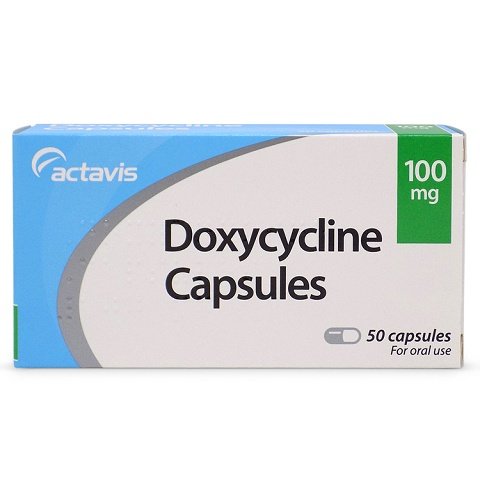
Doxycycline in the United States: The Complete Guide to Safety, Effectiveness, and Legal Use (2026)
Key Takeaways: Doxycycline at a Glance
- Active Ingredient: Doxycycline
- Category: Tetracycline-class antibiotic
- Prescription Required? Yes – federal law in the United States mandates a prescription
- Regulatory Authority: U.S. Food and Drug Administration (FDA)
- Main Uses: Bacterial infections (respiratory, urinary tract, skin, tick-borne diseases, some STIs, acne, malaria prophylaxis)
- Common Side Effects: Nausea, photosensitivity, diarrhea
- Absolute Contraindications: Pregnancy (2nd/3rd trimester), children under 8, known hypersensitivity
- Insurance Coverage: Most U.S. health plans cover generic Doxycycline
- Available As: Tablets, capsules, syrup (some brands), intravenous infusion (hospital use)
- Generic Available? Yes – several FDA-approved generic versions
Can You Obtain Doxycycline Without a Prescription in the United States?
No, you cannot purchase Doxycycline without a valid prescription from a licensed U.S. healthcare provider.
In the United States, Doxycycline is classified as a prescription-only medication (Rx Only) by the FDA. This includes all forms (tablet, capsule, syrup, intravenous) and all brand or generic products. Pharmacies—both in-person and online—are legally required to verify your prescription before dispensing. Purchasing Doxycycline without a prescription or from non-licensed sources is illegal and may expose you to counterfeit or unsafe products.
How Does Doxycycline Work? The Science Explained
Doxycycline belongs to the tetracycline class of antibiotics. It works by binding to the 30S ribosomal subunit of susceptible bacteria, thereby inhibiting protein synthesis. Without the ability to produce proteins, bacteria cannot grow or multiply, leading to their eventual death or suppression (bacteriostatic effect).
Biochemical Target: Doxycycline specifically blocks the binding of aminoacyl-tRNA to the mRNA-ribosome complex, interrupting the translation process.
Metaphor: Imagine bacterial cells as tiny factories. Doxycycline jams the machinery that assembles new workers (proteins), so the factory can’t expand or operate.
Unlike some antibiotics, Doxycycline does not require activation in the body and works independently of food (though absorption can be affected, see below). Its broad-spectrum activity covers many Gram-positive and Gram-negative bacteria, as well as atypical organisms (e.g., Chlamydia, Mycoplasma, Rickettsia).
Recent studies (2024) confirm that resistance to Doxycycline remains relatively low for certain pathogens, but misuse may contribute to resistance development. Always use as directed by your provider.
Standard Dosage, Course, and Administration
| Indication | Initial Dose | Maintenance Dose | Duration |
|---|---|---|---|
| Acute infections | 200 mg (single or split) | 100 mg every 12 hours | 7–14 days |
| Chronic acne | 100 mg daily | 100 mg daily | Up to 12 weeks |
| Malaria prophylaxis | 100 mg daily (start 1–2 days before travel) | 100 mg daily | Continue for 4 weeks after leaving endemic area |
| Lyme disease | 100 mg every 12 hours | 100 mg every 12 hours | 10–21 days |
- Take with a full glass of water to prevent esophageal irritation.
- Remain upright (avoid lying down) for at least 30 minutes after taking.
- Do not exceed 200 mg/day in adults unless specifically instructed by your physician.
- Tablet splitting is generally not recommended (film coating ensures slow release); use the prescribed dose.
- Dose adjustments may be needed for those with severe liver impairment or in the elderly; consult your provider.
- Missed dose? Take it as soon as remembered, but skip if it’s almost time for the next scheduled dose. Never double up.
Onset of action varies by infection but typically begins within 1–3 days of starting therapy. Peak plasma levels occur about 2–3 hours after oral dosing.
Food, Alcohol, and Doxycycline: What You Need to Know
- Can I take Doxycycline with food?
- Yes, but high-fat meals and dairy can reduce absorption by up to 20%. Best taken with water, at least 1 hour before or 2 hours after a meal.
- What about milk, cheese, or yogurt?
- Dairy products contain calcium, which binds Doxycycline and impairs its absorption. Space doses at least 2 hours apart from dairy intake.
- Alcohol?
- Occasional moderate alcohol consumption is unlikely to interfere with Doxycycline. However, chronic heavy drinking may reduce effectiveness and increase liver risks.
- Grapefruit juice?
- No significant interaction reported, but always check with your provider regarding other medications.
- Supplements/antacids?
- Calcium, magnesium, aluminum, iron supplements, and antacids can bind Doxycycline, decreasing its effectiveness. Separate by at least 2 hours.
| Product Type | Can It Be Combined? | Potential Consequences |
|---|---|---|
| Alcohol (moderate) | Yes, with caution | Possible reduced effectiveness |
| Dairy | Not recommended | Reduced absorption |
| Antacids (Mg, Al) | Not recommended | Significantly reduced absorption |
| Iron supplements | Not recommended | Significantly reduced absorption |
| Birth control pills | Yes, but consult provider | Rarely may reduce effectiveness; backup contraception advised |
| Warfarin | Use with caution | May increase anticoagulant effect, monitor INR |
Bottom line: To get the full benefit of your prescription, take Doxycycline with plenty of water and avoid dairy, antacids, and iron within 2 hours of dosing.
Who Should Not Take Doxycycline? Contraindications and Cautions
- Known allergy or hypersensitivity to Doxycycline or any tetracycline-class antibiotic
- Pregnancy (especially second and third trimester): risk of permanent tooth discoloration and fetal bone growth inhibition
- Children younger than 8 years: risk of tooth discoloration and impaired bone growth
- History of severe liver failure (use only if no alternatives, with specialist oversight)
- History of esophageal reflux or swallowing disorders (risk of severe esophagitis)
- Renal impairment: Doxycycline is primarily eliminated via feces, but caution is warranted in severe cases
- Concurrent use of hepatotoxic drugs
- Breastfeeding: secreted in breast milk; use only if benefits outweigh risks, and not recommended by most U.S. guidelines
Why are these restrictions in place? Tetracyclines can cross the placenta and are deposited in developing teeth and bones, causing permanent changes. In children, developing tooth enamel binds tetracyclines, leading to yellow-brown discoloration and enamel hypoplasia. In rare cases, severe hepatic toxicity has occurred, especially with high doses and pre-existing liver disease.
What Side Effects Are Most Common with Doxycycline?
Like all antibiotics, Doxycycline can cause side effects. Most are mild and resolve upon discontinuation, but some can be serious. Here’s what to expect, based on frequency:
- Very common (>1/10):
- Gastrointestinal upset: nausea, vomiting, diarrhea, abdominal pain
- Photosensitivity (sunburn-like reaction)
- Common (1/100–1/10):
- Loss of appetite
- Esophagitis/esophageal ulcer (especially if taken without enough water or before lying down)
- Rash
- Rare (<1/1,000):
- Severe allergic reaction (anaphylaxis)
- Pseudomembranous colitis (severe, persistent diarrhea)
- Intracranial hypertension (headaches, vision problems, rare)
- Blood disorders (hemolytic anemia, thrombocytopenia)
- Very rare (<1/10,000):
- Severe liver injury
- Drug-induced lupus-like syndrome
What to do if you experience side effects? For mild symptoms (slight nausea, mild rash), monitor and inform your provider if persistent. For severe symptoms (difficulty breathing, severe diarrhea, vision changes, intense headache), stop the medication and seek emergency medical care immediately (call 911).
Most side effects can be prevented by following proper administration (see above) and avoiding sun exposure during treatment.
How Does Doxycycline Compare to Other Antibiotics?
| Doxycycline | Amoxicillin | Azithromycin | |
|---|---|---|---|
| Class | Tetracycline | Penicillin | Macrolide |
| Main Uses | Broad (resp, acne, STIs, Lyme, malaria) | Respiratory, ENT, urinary, skin | Respiratory, STIs, some GI |
| Onset of Action | 1–3 days | 1–2 days | 1–3 days |
| Duration of Course | 7–21 days (varies) | 5–10 days | 3–5 days |
| Pregnancy Safety | NO (contraindicated) | Generally safe | Generally safe |
| Photosensitivity | Yes, frequent | No | Rare |
| Insurance Cost (Generic) | Low ($10–30 full course) | Very low ($5–15) | Moderate ($15–40) |
| Availability | Widespread | Widespread | Widespread |
Bottom line: Doxycycline is preferred for tick-borne diseases, certain STIs, malaria prophylaxis, and acne, but is not appropriate for everyone (see contraindications). Amoxicillin and Azithromycin may be better choices for those who are pregnant or need shorter durations. Always follow U.S. clinical guidelines for the specific infection.
Quick Reference Table: Doxycycline Essential Info
| Parameter | Value |
|---|---|
| Active Ingredient | Doxycycline hyclate or monohydrate |
| Formulations | Tablets, capsules, syrup, IV |
| Usual Adult Dose | 100–200 mg/day |
| Half-life | 16–24 hours |
| Peak plasma time | 2–3 hours post administration |
| Main Route of Excretion | Biliary (fecal); some renal |
| Pregnancy Category | Contraindicated (FDA) |
| Prescription Required | Yes |
| Insurance Coverage | Most plans, including Medicare Part D |
| Generic Available | Yes |
How to Legally Obtain Doxycycline in the United States: Step-by-Step
- Consult a licensed U.S. healthcare provider (in-person, telemedicine, or urgent care). Share your symptoms, medical history, and any allergies.
- Receive a diagnosis and treatment plan. If Doxycycline is indicated, your provider will send your prescription directly to a pharmacy (either electronic or paper).
- Choose a pharmacy. This can be a local retail pharmacy (e.g., CVS, Walgreens, Rite Aid) or a verified online pharmacy with a physical presence in the U.S.
- Present your prescription and insurance information. Most pharmacies check your ID and prescription validity.
- Pick up your medication. Review instructions with the pharmacist. If using mail-order or an online pharmacy, ensure it is accredited by the NABP Digital Pharmacy Accreditation.
Telehealth services like Teladoc, Amwell, or health system portals (e.g., MyChart) can also prescribe Doxycycline for many common conditions after a virtual visit. You are never required to order from unlicensed or foreign sources—this is illegal and unsafe.
Buying Doxycycline Online in the United States: What’s Legal and What’s Not?
Purchasing Doxycycline from U.S.-based, state-licensed online pharmacies is legal only if you have a prescription. Look for accreditation by the National Association of Boards of Pharmacy (NABP) or the .pharmacy domain.
- Red flags: Websites offering Doxycycline “without prescription,” with unusually low prices, or shipping from outside the U.S. are likely unsafe, counterfeit, and subject to seizure by U.S. Customs.
- Verification: Check the pharmacy’s license with your state board of pharmacy.
- Risks of illegal purchase: Fines, criminal charges, and exposure to counterfeit or contaminated products. Counterfeit Doxycycline often contains incorrect dosages or even toxic substances.
Prescription-only status is intended to protect patients from inappropriate use, side effects, and resistance. Always use licensed channels.
How to Spot Counterfeit Doxycycline in the United States
Appearance of genuine Doxycycline:
- Comes in FDA-approved blister packs or bottles with tamper-evident seals
- Label clearly states “Doxycycline hyclate” or “Doxycycline monohydrate,” strength, manufacturer, and NDC (National Drug Code) number
- Tablet or capsule color, markings, and shape should match the description in the pharmacy’s database or at Drugs.com Pill Identifier
- Some manufacturers use QR codes or hologram stickers on packaging; ask your pharmacist if you’re unsure
- Unusually low price or offered without prescription
- Packaging with spelling errors, faded print, or missing NDC
- Loose tablets in plastic bags (not original bottle or blister)
- Supplier is not a licensed U.S. pharmacy
About generics: Generic versions of Doxycycline are FDA-approved, equivalent in efficacy and safety, and must meet identical quality standards; the main differences are in color, size, or inactive excipients (which may rarely cause allergies).
If in doubt, ask your pharmacist to verify the product, or use the pharmacy’s app/website to match the pill’s appearance and NDC.
Special Patient Groups: What If I Have Chronic Illness or Am Pregnant?
- Chronic Liver Disease: Use only under specialist supervision, as Doxycycline is metabolized in the liver; risk of accumulation and toxicity.
- Renal Impairment: Generally safer than older tetracyclines, but consult your provider before use.
- Pregnancy and Breastfeeding: Contraindicated, especially after the first trimester. Breastfeeding is not recommended during Doxycycline therapy; discuss alternatives.
- Children under 8: Do not use except for life-threatening infections where no alternative is available.
- Older adults: May be more sensitive to gastrointestinal and skin side effects; monitor closely.
- Ability to drive or use machinery: No direct impairment, but dizziness (rare) is possible. Avoid if affected.
- Family planning: Doxycycline does not affect fertility, but is not recommended during attempts to conceive or during pregnancy.
Always inform your healthcare provider of all medical conditions and medications before starting Doxycycline. Individual risks may vary and require a tailored approach.
Overdose and Emergency Actions
- Stop taking Doxycycline immediately.
- Call 911 or your local emergency number if you or someone else has taken too much, especially if symptoms such as trouble breathing, severe abdominal pain, or confusion occur.
- Inform the emergency personnel about the medication, dose, and time of ingestion.
- Do not induce vomiting unless instructed by poison control or emergency services.
- Contact the Poison Control Center (1-800-222-1222) for further guidance.
Symptoms of overdose may include severe gastrointestinal upset, confusion, kidney or liver dysfunction, or photosensitivity. Prompt medical attention is essential – do not wait for symptoms to appear.
Myth vs Reality: Doxycycline Facts You Should Know
- Myth: “Doxycycline works instantly.” Reality: It may take 24-72 hours to feel improvement, depending on the infection.
- Myth: “You can stop antibiotics when you feel better.” Reality: Stopping early leads to resistance and recurring infection. Always complete the full course.
- Myth: “Doxycycline cures viral infections like flu or COVID-19.” Reality: It’s only active against bacteria, not viruses.
- Myth: “Sun exposure is safe while taking Doxycycline.” Reality: Even brief sun exposure can cause severe burns. Use sunscreen and protective clothing.
Frequently Asked Questions (FAQ)
- Can I use Doxycycline for COVID-19 or other viral infections?
- No. Doxycycline is not effective against viruses. It is used for bacterial infections only.
- How quickly does Doxycycline start working?
- Most people see improvement within 1–3 days, but you must complete the prescribed course for full effect.
- Can I get Doxycycline without seeing a doctor?
- No. U.S. law requires a valid prescription after a medical evaluation.
- Is it safe to drink alcohol while on Doxycycline?
- Moderate, occasional alcohol is generally safe, but heavy drinking increases liver risks and may reduce effectiveness.
- Does Doxycycline affect birth control?
- Rarely, but backup contraception is advised for full protection during antibiotic use.
- What should I do if I miss a dose?
- Take it as soon as possible, but skip if it’s nearly time for the next dose. Never double up.
- Can I use Doxycycline for acne long-term?
- Yes, under medical supervision, but not for more than 12 weeks without re-evaluation.
- How do I know if my Doxycycline is genuine?
- Check for original packaging, matching pill appearance, pharmacy label, and NDC. When in doubt, ask your pharmacist.
References
- FDA, Doxycycline Label and Safety Information, 2025. View official FDA label
- Centers for Disease Control and Prevention (CDC): Doxycycline Clinical Guidance, 2026. CDC Antibiotic Guidance
- PubMed: “Doxycycline: Mechanisms, Indications, and Resistance Patterns,” 2024. Read study abstract
- U.S. National Library of Medicine: Drug Information Portal. NLM Drug Info
- Cochrane Review: “Doxycycline for bacterial infections in adults,” 2023. Cochrane Systematic Review
- American Academy of Dermatology Guidelines for Acne Management, 2026. AAD Acne Guidelines
