
- Home/
- Buy Nolvadex at Low Price in the United States Online
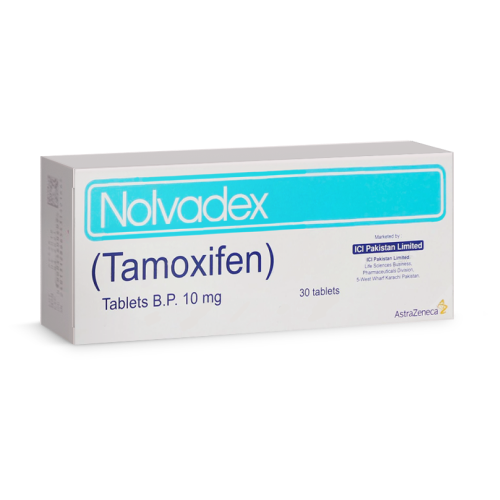
| Product Name | Nolvadex |
|---|---|
| Main Component | Tamoxifen |
| Primary Use | Treatment and prevention of hormone receptor-positive Breast Cancer |
| Strengths Offered | 10 mg, 20 mg tablets |
| How Fast It Starts to Work | Therapeutic effects may be observed within several weeks; measurable anti-tumor activity typically seen after 4–8 weeks of consistent use |
| Length of Effect | Continuous effect with daily use; active in the body up to 7 days after last dose |
| How to Take It | Scheduled daily dosing |
| Prescription Status in United States | Prescription required; regulated by the U.S. Food and Drug Administration (FDA) |
| Estimated Price Range | Approximately $20–$120 per month, depending on pharmacy and insurance coverage |
Nolvadex: Clinical Guidance and Decision Pathway — United States
Nolvadex, containing the active compound Tamoxifen, is a medication widely used in the management and prevention of certain types of Breast Cancer. It is approved for prescription use throughout the United States and plays a significant role in hormone receptor-positive cancer care. If you are considering this medication, it is essential to understand its purpose, suitability, and the practical steps involved in starting treatment.
Breast Cancer in the United States: Understanding the Landscape
Each year, a substantial number of individuals in the United States are diagnosed with Breast Cancer, making it one of the most common cancers affecting women and, rarely, men. According to the American Cancer Society, in 2023, approximately 297,790 new cases of invasive breast cancer were expected in women in the United States. While these numbers can feel overwhelming, advances in screening, diagnosis, and targeted therapies have significantly improved survival and quality of life. Recognizing that you are not facing this alone, and that effective treatments exist, is the first step toward making informed decisions about your care.
How Nolvadex Addresses Breast Cancer: Mechanism and Expected Benefits
Nolvadex (Tamoxifen) belongs to a class called selective estrogen receptor modulators (SERMs). In simple terms, this means it attaches to estrogen receptors on breast cells, blocking estrogen — a hormone that can fuel the growth of certain breast cancers. By competing with estrogen at these sites, Nolvadex slows or stops the progression of hormone receptor-positive cancer cells.
The result for most patients is a reduction in the risk of cancer recurrence and, in some situations, a lower chance of developing breast cancer in the first place. For those already diagnosed, therapeutic effects typically become noticeable over a period of several weeks to months. Regular use is key: by maintaining a steady level of Tamoxifen in the body, the medication provides sustained protection and tumor suppression.
You may not “feel” immediate changes, but your care team will monitor your progress through regular exams and imaging, looking for measurable improvements or continued disease control.
Is Nolvadex Right for Me? Personal Scenarios and Suitability Table
| Your Situation | Is Nolvadex a Fit? | Why or Why Not? |
|---|---|---|
| You have been diagnosed with estrogen receptor-positive (ER+) breast cancer | Yes | Nolvadex is specifically indicated for ER+ breast cancers, as it blocks estrogen’s effect on tumor cells and reduces the risk of recurrence. |
| You are at high risk for developing breast cancer (family history, genetic predisposition) | Yes, after medical evaluation | Tamoxifen can be used for primary prevention in people at significantly elevated risk, based on your doctor’s assessment of benefits versus potential side effects. |
| Your breast cancer is estrogen receptor-negative (ER–) | No | Nolvadex is not effective for ER– tumors, as these do not require estrogen to grow. Other treatments should be considered. |
| You are pregnant or planning pregnancy | No (except in rare, closely supervised cases) | Tamoxifen can harm a developing fetus. Its use is generally contraindicated during pregnancy except in exceptional cases evaluated by a specialist. |
| You have a history of blood clots or deep vein thrombosis | Use with caution or may not be suitable | Nolvadex can increase the risk of blood clots; alternative therapies may be safer, depending on your medical history. |
Most people with hormone receptor-positive breast cancer or at high risk benefit from Nolvadex. However, if your cancer type is not estrogen-driven, or if you have specific risk factors (like prior blood clots or pregnancy), your care team may recommend other options. Always discuss your full medical history, including family history and other medications, with your oncologist before deciding.
Practical Use of Nolvadex: What to Expect and Everyday Considerations
- Dosing Schedule: Nolvadex is usually taken once daily, with or without food. Consistency is important — take it at the same time each day.
- If You Miss a Dose: Take the missed dose as soon as you remember, unless it’s nearly time for your next dose. Do not double up doses. Missing a single dose rarely has significant consequences, but regular adherence is critical for optimal results.
- When to Notice Effects: Physical changes may not be immediately apparent. The medication’s benefits often become clear during regular follow-up imaging and labs, not through noticeable symptoms.
- What to Do if It “Doesn’t Work”: If cancer progresses or you experience new symptoms, contact your oncology team promptly. Alternative therapies or dose adjustments may be needed. Do not stop Nolvadex without medical advice.
- Combining with Food/Drink: There are no strict food restrictions, but some patients experience mild stomach upset. If this occurs, taking Nolvadex with food may help.
- Alcohol: Moderate alcohol use is not strictly contraindicated, but excessive drinking is discouraged, as it may increase certain side effects.
- Duration of Treatment: Standard therapy often lasts 5 years, but this can vary. Your team will determine the best length of therapy for you.
If you are unsure how to fit Nolvadex into your daily routine, discuss with your pharmacist or nurse. They can provide practical strategies to help you remember and manage dosing, especially if other medications are involved.
Contraindications: Who Should Not Take Nolvadex — and Why
- Pregnancy: Tamoxifen should not be used during pregnancy because it can harm fetal development. If you become pregnant while taking Nolvadex, inform your physician immediately.
- History of Blood Clots (Deep Vein Thrombosis, Pulmonary Embolism): Tamoxifen increases the risk of blood clots. It is contraindicated in people with a previous or active history of such events, as the risk of recurrence is significantly higher.
- Concurrent Use of Certain Anticoagulants (e.g., Warfarin for DVT/PE): Nolvadex may interact with blood thinners, increasing bleeding risk. Only use together under strict medical supervision.
- Known Hypersensitivity to Tamoxifen or Ingredients: If you have had an allergic reaction to Tamoxifen or any tablet component, do not use Nolvadex.
If you have experienced any of these conditions, your oncologist will advise on safer alternatives. Never begin Nolvadex without full disclosure of your medical history.
Potential Side Effects: Frequency, Context, and When to Seek Help
- Common (may affect more than 1 in 10): Hot flashes, mild nausea, leg cramps, fatigue, and changes in menstrual cycles. These effects are often temporary and decrease with continued use.
- Occasional (may affect up to 1 in 100): Slightly increased risk of blood clots, vaginal discharge or dryness, skin rash, or mild hair thinning.
- Rare but Serious: Severe leg swelling or pain, sudden shortness of breath, chest pain, vision changes, or signs of stroke (e.g., sudden confusion or weakness). These may signal a blood clot or serious complication. If any of these develop, call 911 or your local emergency services in the United States immediately.
Most side effects are manageable, but prompt reporting of serious symptoms is essential for safety. Your doctor will weigh benefits versus risks, adjusting therapy if needed. Always inform your care team about new or persistent symptoms.
Drug Interactions: What to Avoid with Nolvadex
- Certain Antidepressants (SSRIs like paroxetine, fluoxetine): These may reduce the effectiveness of Tamoxifen by interfering with its metabolism. Alternatives such as venlafaxine are safer for managing hot flashes or depression while on Nolvadex.
- Blood Thinners: As above, combining with warfarin increases bleeding risk. Only use under medical supervision with careful monitoring.
- Other Hormonal Agents: Combining Nolvadex with estrogen-containing therapies (such as hormone replacement) can reduce its anti-cancer effect and is not recommended.
- Herbal Supplements: Some over-the-counter products (such as St. John’s wort) may affect Tamoxifen levels. Always disclose all supplements to your doctor or pharmacist.
Interactions can change medication effectiveness or increase side effects. Your pharmacist can review your full medication list to identify potential problems. Never start or stop medicines without checking with your care team.
Nolvadex Compared to Other Breast Cancer Medications: Strengths, Weaknesses, and Alternatives
| Medication | Best For | Key Strengths | Limitations |
|---|---|---|---|
| Nolvadex (Tamoxifen) | Premenopausal women with ER+ Breast Cancer, prevention in high-risk individuals | Proven long-term safety record; can be used in both pre- and postmenopausal women; available generically; typically well-tolerated | Increased risk of blood clots and uterine cancer (rare); not suitable for ER– cancers; interacts with certain antidepressants |
| Aromatase inhibitors (e.g., anastrozole, letrozole) | Postmenopausal women with ER+ Breast Cancer | Lower risk of certain side effects (no uterine cancer risk); greater reduction in recurrence for postmenopausal women | Not effective in premenopausal women; can cause joint pain, osteoporosis |
| Fulvestrant | Postmenopausal women with advanced or metastatic ER+ Breast Cancer after other therapies | Effective after resistance to Tamoxifen; no increased clot risk | Injected, not oral; used mainly after other options fail; not for prevention |
Nolvadex is especially valuable for premenopausal women and for prevention in high-risk groups. For postmenopausal women, aromatase inhibitors may be more effective at preventing recurrence, but are not suitable for all. Your oncologist will consider your hormonal status, cancer subtype, and health profile when advising the best option.
From Prescription to Purchase: Practical Steps and Real Costs in the United States
| Cost Item | Amount | Note |
|---|---|---|
| Oncologist or primary care consultation | $75–$350 | Insurance may cover most or all of this; telemedicine often on lower end |
| Prescription fee (if not included in consultation) | $0–$50 | Some states and online services charge a separate fee |
| Nolvadex (Tamoxifen) 20 mg, 30 tablets | $20–$120 | With insurance, co-pay may be much lower; generics are widely available and cheaper |
| Shipping/Delivery | $0–$25 | Standard shipping from brick-and-mortar or vetted online pharmacies |
| Total | $95–$545 | Varies by insurance, consultation type, and pharmacy choice |
In the United States, Nolvadex is a prescription medication. Your doctor will determine your eligibility and provide a prescription, which can be filled at local or online pharmacies. Prices for Tamoxifen (the generic) are generally affordable and may be covered by most insurance plans. Some pharmacies and telemedicine providers offer direct shipping, but always ensure you use a licensed source. The FDA regulates Nolvadex, and its generic equivalents are widely available and equally effective. If you lack insurance, ask your healthcare provider about patient assistance programs or generic alternatives to manage costs.
Unresolved Questions: Navigating Uncertainty and Next Steps
If you are still unsure whether Nolvadex is the right choice, or if your situation is complex (for example, you have additional health conditions, are on multiple medications, or are considering pregnancy), a consultation with your oncologist is essential. They can interpret your pathology results, explain expected outcomes, and design a plan tailored specifically for you. For those worried about side effects or drug interactions, pharmacists are a valuable resource and can provide practical advice about timing, combining medications, and monitoring symptoms. While Nolvadex is highly effective for many, individual needs and risks must guide the final decision.
