
- Home/
- Buy Lasix at Low Price in the United States Online
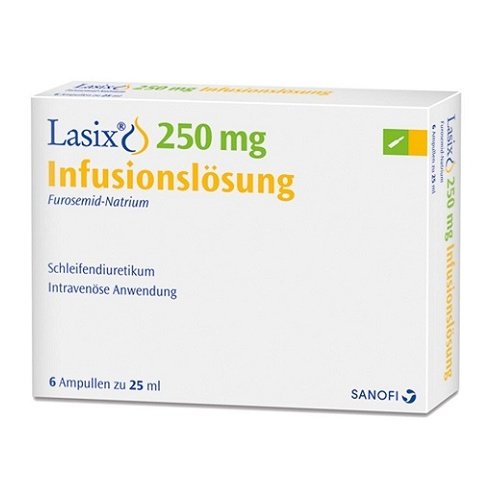
Lasix (Furosemide) in the United States: The Comprehensive Patient Guide
Can Lasix Be Obtained Without a Prescription in the United States?
No, Lasix (furosemide) requires a valid prescription from a licensed healthcare provider in the United States. Over-the-counter purchase is not permitted under U.S. federal and state regulations.
Key Takeaways: What Every Patient Should Know About Lasix
- Lasix is a prescription-only medication used primarily for fluid retention (edema) and certain hypertension cases.
- Most patients experience noticeable reduction in swelling within 1–2 hours of oral dosing.
- Electrolyte imbalance is the most important safety risk—blood tests are required during treatment.
- Lasix is not a cure for underlying disease; it treats symptoms of fluid overload.
- Seek medical advice if you notice muscle weakness, confusion, or irregular heartbeat while taking Lasix.
- Never stop or change your dose without your doctor’s instruction.
Table of Contents
- How Does Lasix Work? Detailed Mechanism
- Doctor’s Insight: Common Treatment Misconceptions
- How to Take Lasix Safely: Dosage and Timing
- Lasix, Food, and Lifestyle Choices: What You Need to Know
- Who Should NOT Take Lasix?
- What Side Effects Are Most Common with Lasix?
- Frequent Patient Mistakes When Using Lasix
- Lasix vs Alternatives: How Does It Compare?
- How Lasix Moves Through Your Body (Pharmacokinetics)
- Special Considerations: Seniors, Kidney Problems, and More
- Lasix Compatibility with Other Drugs and Products
- How to Obtain Lasix in the U.S.: Step-by-Step Process
- Safely Using Online Pharmacies for Lasix
- How to Identify Counterfeit or Substandard Lasix
- Managing Swelling: Psychological Support and Empathy
- What to Do in Case of Lasix Overdose
- Questions Frequently Asked to doctor
- Clinical Assessment by doctor: Who Benefits Most?
- FAQ: Quick Answers About Lasix in the U.S.
- References
How Does Lasix Work? Detailed Mechanism
Lasix (furosemide) is a potent loop diuretic. Its main action is inhibition of the Na+-K+-2Cl− symporter in the thick ascending limb of the loop of Henle in the kidney. By blocking this transporter, Lasix prevents sodium, potassium, and chloride from being reabsorbed from urine back into the blood. As a result, water follows these electrolytes into the urine, rapidly increasing urine output and reducing fluid buildup in tissues and lungs.
This mechanism also leads to excretion of calcium and magnesium. Unlike some other diuretics, Lasix can be effective even when kidney function is moderately impaired. Importantly, Lasix does not require external triggers—it works independently as long as it reaches its target in the kidneys.
Metaphor: Imagine the kidneys as a factory assembly line. Lasix acts like a locked gate that blocks the conveyor belt, forcing the factory to send out more product (urine) and preventing the warehouse (your body) from storing excess water and salt.
Myth vs Reality: Myth: “Lasix flushes out only water.”
Reality: It also removes important minerals (electrolytes), making monitoring essential during therapy.
When “Feeling Better” Isn’t the Whole Story: Doctor’s Observations on Lasix Therapy
In my practice, many patients judge the success of Lasix by how much fluid they lose or how often they urinate within a day. However, the true goal is not just visible swelling reduction — it’s achieving the right fluid balance without tipping into dehydration or electrolyte disturbances. Often, patients don’t realize that ongoing monitoring is critical even when symptoms improve. I find few patients ask about the long-term plan, the need for regular lab checks, or what to do if swelling returns. Many are surprised to learn that “more is not always better”—higher doses can be harmful. The most successful outcomes come when patients understand that Lasix treats the symptom (fluid overload), not the underlying heart, kidney, or liver disease, and that stopping it suddenly or using it without supervision can be risky.
How to Take Lasix Safely: Dosage and Timing
Lasix is available in oral tablets (20 mg, 40 mg, 80 mg) and as an injectable solution. The typical starting dose for adults with edema is 20–40 mg by mouth once daily in the morning. If the response is inadequate, the dose may be increased by 20 mg increments every 6–8 hours, under medical supervision, until the desired effect is achieved.
- Maximum oral dose: Usually does not exceed 600 mg/day. Exceeding this can cause severe dehydration and electrolyte loss.
- Elderly or those with kidney or liver disease: May require lower starting doses and slower adjustments due to increased sensitivity.
- Children: Dosing is weight-based and should be strictly guided by a pediatrician.
- Splitting tablets: Most Lasix tablets can be split if scored, but always confirm with your pharmacist; some generic versions are not designed to be divided.
- Timing: Take in the morning to avoid nighttime urination. For twice-daily dosing, take the second dose no later than early afternoon.
References: Mayo Clinic, FDA
Lasix, Food, and Lifestyle Choices: What You Need to Know
- Food: Lasix can be taken with or without food. Food slightly slows absorption but does not reduce effectiveness.
- Fatty meals: May delay onset by 30–60 minutes.
- Alcohol: Should be avoided—combining alcohol with Lasix increases risk of dehydration and low blood pressure.
- Grapefruit juice: No significant interaction reported, but always check for updates as new data may emerge.
- Potassium-rich foods: May be recommended to prevent low potassium, but follow your doctor’s dietary advice.
- Salt intake: Do not drastically change salt consumption without medical advice, as this can affect fluid balance.
References: Mayo Clinic
Who Should NOT Take Lasix?
- Absolute Contraindications:
-
- Allergy to furosemide or sulfa drugs.
- Anuria (complete inability to produce urine).
- Severe electrolyte imbalance (e.g., dangerously low potassium or sodium not yet corrected).
- Hepatic coma (in patients with liver failure).
- Relative Contraindications (Caution Required):
-
- Gout—Lasix can increase uric acid.
- Diabetes mellitus—may affect blood sugar control.
- Severe kidney or liver impairment—requires close monitoring and dose adjustment.
- Pregnancy and breastfeeding—use only if benefits clearly outweigh risks.
- Recent heart attack or severe hypotension—Lasix may cause further blood pressure drops.
Important: Never combine Lasix with aminoglycoside antibiotics (e.g., gentamicin), lithium, or other ototoxic drugs without explicit medical instruction, due to increased risk of serious side effects.
References: FDA
What Side Effects Are Most Common with Lasix?
- Very Common (>1/10):
- Increased urination (polyuria)
- Low potassium (hypokalemia)
- Low sodium (hyponatremia)
- Dehydration symptoms (thirst, dry mouth, weakness)
- Common (1/100–1/10):
- Dizziness or lightheadedness, especially when standing up
- Muscle cramps
- Increased blood uric acid (may trigger gout flare)
- Mild hearing changes (at high doses)
- Rare (1/10,000–1/1,000):
- Severe allergic reaction (rash, difficulty breathing)
- Irregular heartbeat (arrhythmia)
- Kidney dysfunction
- Severe hearing loss (with rapid IV use or overdose)
- Very Rare (<1/10,000):
- Agranulocytosis (low white blood cell count)
- Pancytopenia (all blood cells decreased)
- Anaemia, severe skin reactions
Mechanism example: Low potassium occurs because Lasix increases potassium loss in urine. This can cause dangerous heart rhythm problems if not monitored.
What to do: If you suspect dehydration, severe weakness, confusion, or notice fast/irregular heartbeat, seek medical attention immediately.
References: Mayo Clinic
Common Pitfalls: Mistakes Patients Make with Lasix Therapy
- Taking Lasix late in the day: This increases nighttime urination, disrupting sleep. Always take your dose in the morning unless instructed otherwise.
- Skipping potassium supplements (if prescribed): This can lead to dangerous low potassium levels.
- Suddenly stopping Lasix: Abrupt withdrawal can cause rapid fluid buildup and worsening symptoms.
- Self-adjusting the dose: Increasing the dose for faster results can cause dehydration or kidney injury.
- Neglecting blood test appointments: Missing regular checkups increases the risk of undetected electrolyte imbalance.
- Not reporting new symptoms: Ignoring muscle weakness, cramps, or irregular heartbeat delays necessary interventions.
- Taking Lasix with other medications without notifying your doctor: Some interactions (especially with NSAIDs or lithium) are harmful.
Lasix vs Alternatives: How Does It Compare?
| Medication | Onset (oral) | Duration | Common Side Effects | Estimated Price per Tablet (USD, 2026) | Key Advantage | Key Limitation |
|---|---|---|---|---|---|---|
| Lasix (Furosemide) | 30–60 min | 6–8 h | Low potassium, dehydration | $0.30–$1.20 | Effective even with moderate kidney impairment | Frequent monitoring needed |
| Hydrochlorothiazide | 2 h | 6–12 h | Low potassium, increased uric acid | $0.10–$0.60 | Good for long-term hypertension | Ineffective with low kidney function |
| Spironolactone | 2–4 h | 12–24 h | High potassium, breast tenderness | $0.30–$1.00 | Potassium-sparing | Cannot be used with high potassium |
| Torsemide | 1 h | 12 h | Low potassium, headache | $0.80–$2.00 | Longer duration, fewer dosing times | More expensive |
Bottom line: Lasix is chosen for rapid, strong fluid removal and when kidney function is reduced. Other diuretics may be preferred for milder cases or different risk profiles.
How Lasix Moves Through Your Body (Pharmacokinetics)
- Absorption: Oral Lasix is well absorbed, with 50–70% bioavailability. Food may slow but not reduce absorption.
- Onset: Urine output increases in 30–60 minutes after oral dosing; 5 minutes after IV injection.
- Peak effect: 1–2 hours (oral), much faster with IV.
- Duration: 6–8 hours (oral); IV duration is somewhat shorter.
- Metabolism: Minimal hepatic metabolism (mostly unchanged drug)
- Elimination: Primarily via kidneys (urine); small amounts in bile/feces.
- Half-life (T1/2): 1–2 hours in healthy adults; may be prolonged in kidney/liver disease.
Patients with kidney or liver problems may experience longer action and need dose adjustments.
Special Considerations: Seniors, Kidney Problems, and More
- Seniors: Greater risk of dehydration and low electrolytes. Start at lower doses and monitor closely.
- Chronic Kidney Disease (CKD): Lasix is often effective when other diuretics fail, but requires higher doses and close monitoring.
- Liver Disease: Cautious use; can precipitate encephalopathy in advanced cirrhosis.
- Heart Failure: Lasix is standard for fluid overload, but dosage must be tailored to individual risk factors.
- Pregnancy: Use only when benefits outweigh risks; may affect fetal growth due to fluid shifts.
- Breastfeeding: Enters breastmilk in small amounts; consult your doctor.
- Driving/Operating machinery: Possible dizziness and low blood pressure; caution advised until you know your response.
- Fertility: No known adverse effect on fertility in humans, but clinical data are limited.
Compatibility Check: Lasix with Other Medications and Products
| Product/Drug | Can It Be Combined? | Potential Consequences |
|---|---|---|
| Potassium supplements | Yes (if prescribed) | Prevents low potassium |
| ACE inhibitors (e.g., lisinopril) | Caution | May cause low blood pressure or kidney dysfunction |
| NSAIDs (e.g., ibuprofen) | Caution | Reduces diuretic effect; may harm kidneys |
| Lithium | NO | Risk of lithium toxicity |
| Aminoglycoside antibiotics | NO | Increased risk of hearing loss |
| Alcohol | NO | Increased risk of dehydration, low blood pressure |
| Other diuretics | Caution | Combined effect may cause severe electrolyte loss |
How to Obtain Lasix in the U.S.: Step-by-Step Process
- Step 1: Consultation
Schedule an appointment with your primary care provider or relevant specialist (e.g., cardiologist, nephrologist). - Step 2: Medical Assessment
The doctor will evaluate your symptoms, review your medical history, perform a physical exam, and may order blood tests to assess kidney function and electrolyte levels. - Step 3: Prescription Issuance
If appropriate, your doctor will issue an electronic or paper prescription for Lasix, specifying dose and duration. - Step 4: Pharmacy Fulfillment
Take your prescription to a licensed U.S. pharmacy or use a certified mail-order service. Your pharmacist will verify insurance coverage, dispense the medication, and counsel you on its use. - Step 5: Monitoring
Follow up as advised. Routine blood tests and check-ins are crucial to prevent complications. - Telemedicine Option: For established patients, some providers offer telehealth appointments and e-prescribing, subject to state law.
Safely Using Online Pharmacies for Lasix in the United States
Only use online pharmacies certified by the National Association of Boards of Pharmacy (NABP) or the FDA’s BeSafeRx program. Look for the VIPPS (Verified Internet Pharmacy Practice Sites) seal or check nabp.pharmacy for verification.
- Legitimate pharmacies require a valid prescription and have a U.S. physical address and phone number.
- Warning signs of unsafe sellers: No prescription needed, prices far below average, lack of contact information, or offers to ship worldwide without restrictions.
- Never purchase Lasix from websites based outside the U.S. or lacking regulatory oversight—counterfeit and unsafe products are common.
- Patients are protected under U.S. law only when using regulated pharmacies.
References: FDA BeSafeRx
How to Identify Counterfeit or Substandard Lasix
- Original Lasix packaging (U.S.): Manufactured by Sanofi-Aventis or authorized generics; comes in sealed cardboard boxes with clear labeling and lot numbers.
- Blisters: Each tablet is in a marked blister pack with expiration date and batch number.
- Pill appearance: Tablets are typically white, round, and may be scored. Engraving (e.g., “Lasix 40”) should be clear and consistent.
- Security features: Some packaging may include QR codes or holographic seals. Check with your pharmacist if unsure.
- Price warning: A price significantly below market value ($0.10–$0.20 per tablet) is a red flag for counterfeit or unapproved imports.
- Generics: FDA-approved generics are equivalent in safety and effectiveness to the brand, but may differ in inactive ingredients (color, size, marking). If you have allergies, ask your pharmacist about excipients.
Myth vs Reality:
Myth: “Generics are inferior to brand-name Lasix.”
Reality: FDA-approved generics must meet the same quality and efficacy standards as the original.
Managing Swelling: Psychological Support and Empathy
Edema and its underlying causes affect millions of people in the U.S. — you are not alone. Managing fluid retention can be stressful, but most patients benefit from treatment and support. Don’t hesitate to discuss your concerns with your doctor or with others experiencing similar symptoms.
What to Do in Case of Lasix Overdose
- Stop taking Lasix immediately.
- Call 911 or your local emergency services.
- Be prepared to inform medical personnel about the dose and time taken, and bring the medication packaging with you.
- Do not attempt to self-treat dehydration or electrolyte imbalance.
- Overdose symptoms include severe weakness, confusion, fainting, rapid heartbeat, hearing loss, or inability to urinate.
Questions Frequently Asked to doctor
- How will I know if Lasix is working for me?
- Typically, you’ll notice reduction in swelling, easier breathing (if fluid was in the lungs), and weight loss due to water—sometimes within hours. Your doctor may also track your progress with blood tests and symptom diaries.
- How often do I need blood tests while on Lasix?
- Early in therapy, I recommend tests every 1–2 weeks to monitor electrolytes and kidney function. For stable, long-term users, intervals may be extended to every 1–3 months, but it varies case by case.
- What should I do if I miss a dose?
- If it’s close to your usual time, take it as soon as you remember. If it’s late in the day, skip the missed dose to avoid nighttime urination and resume your normal schedule. Do not double up.
- Is it normal to have days with less urination on Lasix?
- Occasional variation is expected due to salt intake or changes in illness, but if swelling returns or urination drops significantly, contact your doctor for reassessment.
- Will I need to take Lasix forever?
- It depends on your underlying condition. Some patients need it short-term; others require long-term therapy. We regularly review whether it’s still needed based on your progress.
- Can Lasix cause permanent hearing loss?
- Permanent hearing loss is rare and usually linked to very high doses or rapid IV administration. At standard oral doses, this complication is highly unlikely.
- Should I restrict my fluid intake while on Lasix?
- Do not restrict fluids unless specifically instructed; dehydration can occur quickly. I will provide guidance tailored to your condition.
- How does Lasix interact with my other heart medications?
- Lasix may amplify blood pressure-lowering effects or alter electrolyte levels, requiring close coordination among your care team.
Clinical Assessment by doctor: Who Benefits Most?
In my clinical judgment, Lasix is most beneficial for patients with clear evidence of fluid retention due to heart failure, chronic kidney disease, or advanced liver disease, particularly when other diuretics have failed or when rapid volume reduction is necessary. It’s also preferred in acute situations such as pulmonary edema or severe hypertension with volume overload. However, for patients with only mild swelling, borderline low blood pressure, or those at high risk for electrolyte disturbances, alternative options or lower-intensity diuretics may be safer. I am cautious about using Lasix in frail elderly patients, those with unstable kidney function, or those who cannot reliably access regular blood monitoring. In these groups, the risks of dehydration, falls, and adverse events often outweigh the benefits unless absolutely necessary. Treatment should always be individualized, with regular reassessment and consideration for transitions to less potent medications or even non-pharmacological approaches when appropriate.
FAQ: Quick Answers About Lasix in the U.S.
- Is Lasix effective for all types of swelling?
- Lasix is most effective for swelling caused by heart, kidney, or liver problems. It is less effective for swelling due to lymphatic issues or local injury.
- How fast does Lasix work?
- Oral Lasix usually starts working within 30–60 minutes. The peak effect is seen at 1–2 hours.
- Do I need a prescription to buy Lasix in the U.S.?
- Yes, Lasix is available only by prescription at licensed pharmacies in the United States.
- Can I order Lasix online?
- Yes, but only from U.S.-based, verified online pharmacies that require a prescription and are certified by NABP or FDA programs.
- What is the typical cost of Lasix?
- Generic furosemide is usually $0.30–$1.20 per tablet, depending on strength and insurance coverage.
- Can Lasix be used with blood pressure medications?
- Often, yes, but blood pressure and electrolytes must be carefully monitored due to additive effects.
- What should I do if I experience muscle cramps or weakness on Lasix?
- Contact your doctor. These may be signs of low potassium, which requires prompt evaluation and possible dose adjustment or supplementation.
- Can Lasix cure heart failure or kidney disease?
- No, Lasix relieves symptoms by removing excess fluid but does not cure the underlying disease.
- Is it safe to use Lasix during pregnancy?
- Only if clearly needed and prescribed by your doctor. Potential risks to the fetus exist.
- How long can I take Lasix?
- Duration depends on the underlying condition and your response. Some patients require short courses; others may need long-term therapy.
References
- U.S. Food and Drug Administration (FDA). “Furosemide (Lasix) Label Information.” Accessed 2026. FDA
- Mayo Clinic Staff. “Furosemide (Oral Route): Proper Use, Precautions, and Side Effects.” Mayo Clinic, Accessed 2026. Mayo Clinic
- National Institutes of Health. “Furosemide: MedlinePlus Drug Information.” Accessed 2026. MedlinePlus
- National Association of Boards of Pharmacy (NABP). “Safe Online Pharmacies.” Accessed 2026. NABP
- BeSafeRx, U.S. FDA. “Your Source for Online Pharmacy Information.” Accessed 2026. BeSafeRx
- PubMed. “Recent Studies on Furosemide Use and Safety.” Accessed 2026. PubMed
- American Heart Association. “Diuretic Therapy for Heart Failure.” Accessed 2026. AHA
- Official manufacturer website (Sanofi). “Lasix Product Information.” Accessed 2026. Sanofi
