
- Home/
- Buy Glucophage Without Prescription in the United States Online
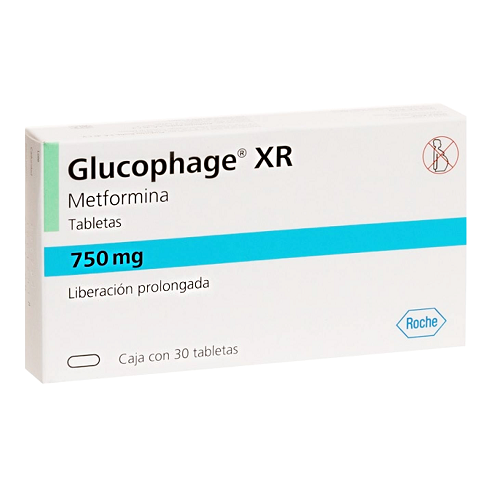
Can Glucophage Be Obtained Without a Prescription in the United States?
No, Glucophage (metformin) requires a valid prescription from a licensed healthcare provider in the United States. It is not legally available over-the-counter, and purchasing it without a prescription is neither permitted nor safe.
Key Takeaways: What Every Patient Should Know About Glucophage
- Glucophage is clinically proven for type 2 diabetes but is only available by prescription in the United States.
- Most patients start to see improvements in blood sugar control within 1–2 weeks, but maximum benefit may take several weeks.
- Common side effects are digestive (nausea, diarrhea); serious risks like lactic acidosis are rare but require urgent attention.
- Glucophage is considered first-line therapy for many adults with type 2 diabetes, but is not suitable for every individual.
- Medical advice is critical before starting or stopping Glucophage, especially with kidney, liver, or heart problems.
- Never share your medication, and always obtain it from a licensed U.S. pharmacy.
How Does Glucophage Work in the Body?
Glucophage contains the active ingredient metformin hydrochloride, a biguanide class oral antihyperglycemic agent. Metformin primarily acts by inhibiting hepatic (liver) glucose production through suppression of gluconeogenesis. At the molecular level, metformin activates the enzyme AMP-activated protein kinase (AMPK), which plays a central role in cellular energy regulation.
In addition to reducing liver glucose output, metformin enhances peripheral glucose uptake (primarily in muscle), improves insulin sensitivity, and reduces intestinal absorption of glucose. Notably, it does not stimulate insulin secretion and therefore has a low risk of causing hypoglycemia when used alone.
- Liver: Decreases new glucose production.
- Muscle/fat: Makes tissues more sensitive to insulin, so glucose is absorbed from the blood more efficiently.
- Gut: Limits absorption of sugar from food.
Metaphor: Think of metformin as a thermostat that quietly lowers your blood sugar “set point” by reducing new sugar production and making your body’s tissues more responsive to the insulin already available, without flooding the system.
Glucophage works independently of meals or physical triggers, but its effectiveness is greatest in the presence of circulating insulin (i.e., in type 2 diabetes, not type 1). Its blood-glucose-lowering effect is not immediate; improvements appear over days to weeks as the body adapts to improved insulin sensitivity and lower hepatic glucose production.
Clinical trials: Recent placebo-controlled studies (e.g., a 2023 randomized trial of 1,200 U.S. adults with new-onset type 2 diabetes) confirm a significant drop in fasting plasma glucose (average decrease of 25–30 mg/dL at 12 weeks), with about 70–80% of patients achieving target HbA1c after 3–6 months of regular use [PubMed].
Myth: Metformin works instantly to lower blood sugar.
Reality: Most patients need several days to weeks for full glucose-lowering effect to develop.
Why Patients Misjudge Glucophage’s Effects: Insights from Clinical Practice
As a physician, I often see patients expect immediate drops in their glucose readings after starting Glucophage, sometimes testing their sugar repeatedly in the first days, frustrated by mild or no change. What many overlook is that metformin’s primary benefit is a gradual improvement in overall glucose regulation—especially fasting and long-term average (HbA1c)—not sharp, rapid drops after each dose. Patients also rarely consider that lifestyle factors, concurrent medications, and underlying liver or kidney conditions can influence how well Glucophage works. Rarely do patients ask about how to monitor for rare but serious side effects like lactic acidosis, or how to spot early warning signs that require intervention. Finally, while many focus on numbers, few ask about real-world goals: preventing complications and improving quality of life, which is where Glucophage can be most valuable.
How to Take Glucophage: Dosing and Timing for Best Results
Glucophage is available in immediate-release tablets (500 mg, 850 mg, 1000 mg) and extended-release (XR) forms (500 mg, 750 mg, 1000 mg) in the United States.
- Starting dose (Adults): 500 mg once or twice daily with meals. Dosage may be adjusted in increments of 500 mg weekly or biweekly, as tolerated.
- Maximum daily dose: 2,000–2,500 mg per day (divided doses); do not exceed this limit.
- Extended-release forms: Often started at 500–1000 mg once daily with the evening meal. May increase by 500 mg weekly to a maximum of 2,000 mg/day.
- Tablets may not be split or crushed unless scored and specifically permitted by manufacturer. Extended-release tablets must be swallowed whole.
- Elderly patients: Start lower, titrate more slowly, and monitor kidney function closely.
- Renal impairment: Dose reduction is essential; Glucophage is contraindicated at an eGFR below 30 mL/min/1.73 m2.
Peak effect: Blood glucose-lowering reaches steady-state within 24–48 hours, but full clinical effect may take 1–2 weeks. For HbA1c reduction, allow 2–3 months.
Missed dose: If you miss a dose, take it as soon as you remember, unless it’s near the time of your next dose. Never double up to make up for a missed dose.
Interactions with Food, Alcohol, and Lifestyle Factors
- With food: Always take Glucophage with meals to reduce the risk of gastrointestinal side effects like nausea and diarrhea. High-fat meals may slow absorption slightly, but do not significantly impact total absorption.
- Alcohol: Strictly limit alcohol intake. Excessive drinking (especially binge drinking or chronic heavy use) increases the risk of lactic acidosis—a rare but life-threatening complication. There is no universally “safe” alcohol threshold, but many guidelines advise no more than one standard drink (~14g ethanol) per day for women and two for men, and to avoid alcohol completely if you have liver or kidney issues.
- Grapefruit juice: Unlike some medications, grapefruit juice does not affect metformin metabolism or efficacy.
- Physical activity: Regular exercise is encouraged and may enhance Glucophage’s effect. However, intense activity combined with poor intake (fasting or illness) may increase hypoglycemia risk if on combination therapy.
Who Should Not Use Glucophage? Contraindications and Red Flags
- Absolute contraindications (Never use):
-
- Severe kidney impairment: eGFR < 30 mL/min/1.73 m2.
- Known hypersensitivity: Allergy to metformin or any excipient in Glucophage.
- Acute or chronic metabolic acidosis: Including diabetic ketoacidosis and lactic acidosis (regardless of cause).
- Severe liver disease: Increases risk of lactic acidosis.
- Recent or ongoing severe infection, trauma, or surgery: Use is typically paused in these settings.
- Relative contraindications (Use with caution and close monitoring):
-
- Moderate renal impairment: eGFR 30–45 mL/min/1.73 m2.
- Older adults (≥80 years): Higher risk of kidney issues; frequent monitoring required.
- Heart failure (especially unstable or requiring hospitalization): Risk of hypoxia and lactic acidosis.
- Alcohol use disorder: Strongly discouraged due to lactic acidosis risk.
- Prior episodes of lactic acidosis: Typically an absolute contraindication.
- Cardiovascular risks:
-
- Temporary cessation may be recommended after a recent heart attack or major surgery.
- Consult with a specialist about when and if Glucophage can be restarted post-cardiac event.
What Side Effects Are Most Common with Glucophage?
Side effects are classified according to their frequency (based on controlled trials and post-marketing data). Most are mild and self-limiting, but rare serious risks require immediate action.
- Very common (>1 in 10): Gastrointestinal upset (nausea, diarrhea, abdominal discomfort, flatulence, loss of appetite).
- Common (1–10 in 100): Metallic taste, mild weight loss, mild vitamin B12 deficiency with long-term use.
- Rare (<1 in 1,000): Lactic acidosis (life-threatening; symptoms include rapid breathing, severe fatigue, confusion).
- Very rare (<1 in 10,000): Severe skin reactions, liver dysfunction, severe allergic reactions.
Mechanism for the most frequent effects: Metformin’s gut absorption and local activity can irritate the digestive tract, especially at higher doses or if started abruptly.
If you experience:
- Persistent vomiting, severe diarrhea, or dehydration—stop medication and call your healthcare provider.
- Muscle pain, rapid breathing, or confusion—seek emergency help to rule out lactic acidosis.
Patient Pitfalls: Common Mistakes When Using Glucophage
- Starting at a high dose: Jumping directly to a high dose increases the risk of severe stomach upset. Always start low and increase as directed.
- Taking on an empty stomach: This often leads to nausea and diarrhea. Always take with or after food.
- Stopping abruptly without doctor’s advice: Discontinuing suddenly can cause blood sugar to spike, increasing the risk of complications.
- Ignoring kidney function: Failing to monitor kidney health can result in serious side effects, including lactic acidosis.
- Doubling up on missed doses: Taking extra pills to “catch up” increases side effect risk without additional benefit.
- Consuming excessive alcohol: Even occasional binge drinking while on Glucophage can trigger severe complications.
- Not recognizing early warning signs: Overlooking symptoms like severe fatigue or abdominal pain may delay detection of rare but serious side effects.
Glucophage vs. Alternatives: How Does It Compare?
In the United States, other first-line oral medications for type 2 diabetes include sulfonylureas (e.g., glipizide), DPP-4 inhibitors (e.g., sitagliptin), and SGLT2 inhibitors (e.g., empagliflozin). Here’s how Glucophage stacks up:
| Medication | Typical Onset | Duration | Common Side Effects | Hypoglycemia Risk | Cost (USD/tablet*) | Prescription Needed? |
|---|---|---|---|---|---|---|
| Glucophage (Metformin) | Several days | 24–48hr (steady state) | GI upset, rare lactic acidosis | Low | $0.05–$0.50 | Yes |
| Glipizide (Sulfonylurea) | 1–2 hours | 12–24hr | Low blood sugar, weight gain | Moderate/high | $0.10–$0.70 | Yes |
| Sitagliptin (DPP-4 inhibitor) | Within days | ~24hr | Respiratory infection, headache | Low | $8–$16 | Yes |
| Empagliflozin (SGLT2 inhibitor) | Within days | ~24hr | Genitourinary infection, dehydration | Low | $12–$18 | Yes |
*Generic prices listed. Actual cost may vary by pharmacy, insurance, or assistance program.
Bottom line: Glucophage is the lowest-cost and most established first-line oral therapy for type 2 diabetes in the U.S., with a proven safety record when used as directed. However, alternatives may be preferable in patients who cannot tolerate metformin or have specific coexisting conditions.
Glucophage Technical Specifications Table
| Active Ingredient | Metformin hydrochloride |
| Available Strengths | 500 mg, 850 mg, 1000 mg (IR); 500 mg, 750 mg, 1000 mg (XR) |
| Formulation | Immediate-release (IR) tablet; Extended-release (XR) tablet |
| Administration | Oral, with meals |
| Prescription Required | Yes |
| Storage | Room temperature (68–77°F), away from moisture |
| Shelf Life | Typically 3 years (see package) |
Compatibility Check: Glucophage with Other Products
| Product Type | Can It Be Combined? | Consequences |
|---|---|---|
| Insulin | Yes (with monitoring) | May increase hypoglycemia risk; dose adjustment may be necessary |
| NSAIDs (e.g., ibuprofen) | With caution | Monitor kidney function |
| Contrast dyes (for imaging) | STRICTLY NO during/after use | Risk of acute kidney injury and lactic acidosis; stop metformin before and after dye administration per doctor’s guidance |
| Alcohol | Limit or avoid | Increases risk of lactic acidosis, especially in excess |
| Grapefruit juice | Yes | No significant interaction |
| Common antihypertensives | Yes (with monitoring) | Monitor for kidney effects |
Considerations for Special Patient Groups
- Older adults (≥65 years): Start at lower doses; monitor renal function every 3–6 months.
- Renal impairment: Not recommended if eGFR <30 mL/min/1.73m2. Dose adjust at eGFR 30–45; monitor closely.
- Liver disease: Use is generally avoided.
- Pregnancy: Glucophage is sometimes used in gestational diabetes under specialist supervision, but insulin remains standard in many cases.
- Children: Approved for children as young as 10 years old for type 2 diabetes, but dosing and monitoring vary—specialist input required.
- Driving and machinery: Glucophage alone does not cause hypoglycemia, so does not impair driving. Caution if combined with other glucose-lowering agents.
- Fertility: No evidence of negative impact on fertility. Sometimes used off-label in women with polycystic ovary syndrome (PCOS) to promote ovulation.
How Is Glucophage Metabolized and Eliminated?
Absorption: About 50–60% of metformin is absorbed after oral administration. Peak plasma concentration is usually reached in 2–3 hours (IR) or 4–8 hours (XR).
Distribution: Not significantly bound to plasma proteins.
Metabolism: Metformin is not metabolized by the liver.
Elimination: Excreted unchanged by the kidneys via tubular secretion and glomerular filtration.
Half-life (T1/2): 4–9 hours in healthy adults. Impaired kidney function prolongs elimination and increases risk of accumulation and toxicity.
Key implication: Regular kidney function monitoring is essential during long-term therapy.
How to Get Glucophage Through Legitimate Channels in the United States
- Step 1: Schedule a Healthcare Appointment
See a primary care doctor, endocrinologist, or certified diabetes educator in your area (e.g., New York, Los Angeles, Houston). - Step 2: Medical Evaluation
Your provider will assess your symptoms, medical history, and order blood tests to confirm type 2 diabetes or another approved indication. - Step 3: Prescription Issuance
If appropriate, you will receive a written or electronic prescription for Glucophage (metformin). - Step 4: Pharmacy Fulfillment
Take the prescription to a licensed local or mail-order pharmacy. Most U.S. pharmacies (including CVS, Walgreens, and independent pharmacies) dispense metformin. - Step 5: Insurance and Payment
If you have insurance, present your card. Many plans cover generic metformin with a nominal copay. Pharmacy discount programs are also widely available. - Step 6: Follow-up and Monitoring
Your doctor will schedule follow-up appointments to monitor blood sugar, side effects, and kidney/liver function.
Telehealth options: Many telemedicine platforms in the U.S. now offer remote diabetes management and can prescribe Glucophage following a virtual consultation, when medically appropriate.
Staying Safe: Identifying Legitimate Pharmacies in the U.S.
To ensure you receive genuine Glucophage, use only licensed U.S. pharmacies. Look for these signs:
- Verification: Check the pharmacy’s licensure using the National Association of Boards of Pharmacy (NABP) .pharmacy program. Legitimate online pharmacies display the “VIPPS” seal and require a valid prescription.
- No prescription required? If a website offers metformin without a prescription, it is operating illegally and may distribute unsafe or counterfeit products.
- Contact information: Licensed pharmacies provide a physical U.S. address and a working phone number with access to a pharmacist.
- FDA oversight: U.S. pharmacies comply with the Food and Drug Administration’s standards for drug safety and quality (FDA).
Warning signs of unsafe sellers: No prescription needed, no U.S. address, suspiciously low prices, or no access to a pharmacist.
Counterfeit or substandard medications can be ineffective or dangerous. U.S. customs may confiscate unapproved imports ordered from international sellers.
How to Recognize Genuine Glucophage vs. Counterfeits and Generics
Original Glucophage (by Merck/Sanofi):
- Comes in sealed, branded blister packs or bottles with the manufacturer’s logo and official labeling.
- Packaging includes an FDA-approved NDC (National Drug Code), lot number, and expiration date.
- Tablets are typically white, round or oval, may have “500” or “1000” and “GLUCOPHAGE” engraved (varies by strength and manufacturer).
- U.S. packaging may include a QR code or hologram for verification (check with your pharmacy if unsure).
What are generics? Generic metformin is FDA-approved and must meet the same stringent quality, safety, and efficacy standards as the original brand. The only allowable differences are in excipients (inactive ingredients), which may affect allergies or tolerance but not therapeutic effect.
Advantages of generics: Substantially lower cost, broad insurance coverage, and equal effectiveness when sourced from a U.S.-licensed pharmacy.
If in doubt, ask your pharmacist to verify the source and authenticity of your product.
Glucophage Quality Check: What Should the Product Look Like?
- Tablet color: White (may be slightly off-white), film-coated.
- Shape: Round or oval, depending on dose and manufacturer.
- Markings: Imprinted with dose and manufacturer identifier (e.g., “GLUCOPHAGE 500”).
- Packaging: Sealed blister packs or prescription bottles with intact labels.
- Security features: Some packs include QR codes, holograms, or tamper-evident seals. Always check for these if present.
If you notice faded printing, unusual colors, broken seals, or suspicious packaging, do not use the medication and contact your pharmacist or doctor.
If You Take Too Much: What to Do in Case of Glucophage Overdose
- Stop taking Glucophage immediately.
- Call emergency services in the United States (dial 911) or your local Poison Control Center (1-800-222-1222).
- Provide details: Inform the medical professional about the exact dose(s), time taken, and any symptoms (e.g., rapid breathing, severe fatigue, confusion, nausea).
- Do not attempt to induce vomiting or treat yourself at home.
- Bring the medication packaging to the hospital for identification, if possible.
Overdose risk: The most serious concern is lactic acidosis, which can be fatal if not treated urgently.
Living with Diabetes: Psychological Support and Next Steps
Type 2 diabetes is a common, manageable condition. Many people feel anxious or overwhelmed after diagnosis, but you are not alone. Millions in the United States live well with diabetes using medications like Glucophage, balanced nutrition, and active lifestyles. If you find coping difficult, it’s normal and helpful to seek support from your doctor, a diabetes educator, or a mental health professional. Talking openly with loved ones can also make day-to-day management easier.
Questions Patients Often Ask doctor About Glucophage Therapy
- How do I know if Glucophage is working for me?
- You’ll typically notice improved fasting blood sugar and lower HbA1c after 2–3 months. I advise tracking your readings, but remember it’s the long-term trend, not daily fluctuations, that really matters.
- Will Glucophage interact with my other daily medications?
- Most common medicines are compatible, but some—like certain blood pressure pills, diuretics, or contrast agents—require monitoring. Always provide me with a full list of your medications before starting.
- If I don’t have side effects, does that mean it isn’t working?
- Not at all. Many people never have side effects and still achieve optimal blood sugar control. Absence of side effects does not mean the drug is ineffective.
- How often will I need blood tests while on Glucophage?
- Initially, every 3–6 months for blood sugar, kidney, and sometimes B12 levels. If there are concerns about your health, I may check more often.
- Can I stop Glucophage if my blood sugar normalizes?
- Diabetes management is long-term—stopping suddenly can cause your sugars to rise again. We can discuss dose adjustments if you reach sustained control, but never stop without talking to me first.
- Do I need to adjust my diet or exercise while on Glucophage?
- Yes, lifestyle changes work together with medication for best results. I encourage balanced meals and regular activity, tailored to your abilities and preferences.
doctor’s Clinical Assessment: Is Glucophage Right for You?
In my clinical experience, Glucophage remains the cornerstone of type 2 diabetes management for adults with newly diagnosed or poorly controlled disease—particularly when overweight or obesity is present and kidney function is preserved. It offers robust HbA1c lowering, cardiovascular protection, and a favorable weight profile. However, it is not ideal for those with significant kidney or liver impairment, history of lactic acidosis, or chronic alcohol misuse. I’m cautious in older or frail patients, where kidney function may be borderline or fluctuate. Alternatives are sometimes preferable if GI side effects are intolerable, or if other health priorities—like risk of heart failure or desire for weight loss—necessitate a different approach. Ultimately, ongoing monitoring and honest discussions about side effects, lifestyle, and goals are key to maximizing benefit and minimizing risk. When doubts arise, I favor regular re-evaluation and, if needed, referral to a diabetes specialist.
Frequently Asked Questions About Glucophage in the United States
- Is Glucophage the same as metformin?
- Yes. Glucophage is a brand name for metformin, which is also widely available in generic form in the U.S.
- Do I need a prescription to get Glucophage in the United States?
- Yes, a prescription from a licensed healthcare provider is mandatory.
- How soon will I see results after starting Glucophage?
- Blood sugar improvement typically appears within 1–2 weeks, but full effect on HbA1c takes 2–3 months.
- Can Glucophage cause low blood sugar?
- Not when used alone. The risk increases if combined with insulin or certain other oral agents.
- What if I miss a dose of Glucophage?
- Take the next scheduled dose as usual; do not double up. Contact your doctor if you’re unsure.
- Is Glucophage safe during pregnancy?
- It is sometimes used under specialist care, particularly in gestational diabetes, but insulin remains the gold standard for most cases.
- What are the most common side effects?
- Nausea, diarrhea, and abdominal discomfort—usually mild and improve with time or dose adjustment.
- How much does Glucophage cost in the U.S.?
- Generic metformin is inexpensive; most pharmacies charge $0.05–$0.50 per tablet, often even less with insurance or discount programs.
- How do I know if my pharmacy is legitimate?
- Use only pharmacies licensed by your state and accredited by the NABP. Avoid websites that don’t require a prescription or display U.S. licensure.
- Can I buy Glucophage online legally?
- Yes, but only through accredited U.S. online pharmacies requiring a valid prescription. Beware of overseas sites selling without a prescription.
References
- U.S. Food and Drug Administration (FDA) Drug Database. “Metformin Hydrochloride.” Accessed 2026. https://www.fda.gov
- American Diabetes Association. “Standards of Medical Care in Diabetes—2026.” Diabetes Care, 2026. https://diabetes.org
- National Institutes of Health, MedlinePlus. “Metformin.” Accessed 2026. https://medlineplus.gov
- Mayo Clinic. “Metformin (Oral Route) Proper Use.” Accessed 2026. https://www.mayoclinic.org
- National Association of Boards of Pharmacy (NABP), .Pharmacy Program. Accessed 2026. https://nabp.pharmacy
- PubMed. “Recent Clinical Trials of Metformin in Type 2 Diabetes.” Accessed 2026. https://pubmed.ncbi.nlm.nih.gov
