
- Home/
- Buy Zithromax Without Prescription in the United States Online
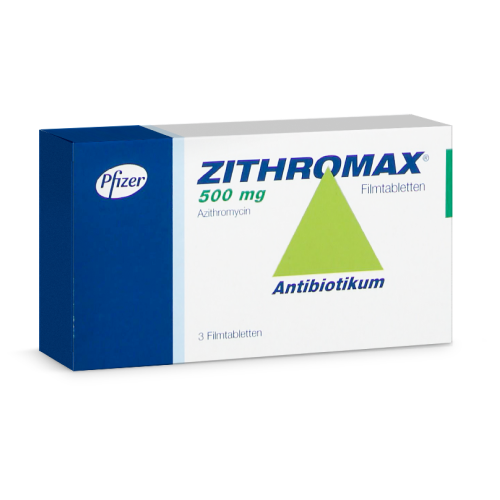
Zithromax (Azithromycin) in the United States: The Complete Clinical and Practical Guide for 2026
Is Zithromax Available Without a Prescription in the United States?
No, in the United States, Zithromax (azithromycin) is a prescription-only medication. It is illegal and unsafe to obtain Zithromax without a valid prescription from a licensed healthcare provider. The U.S. Food and Drug Administration (FDA) strictly prohibits the sale of antibiotics without a prescription due to risks of misuse, antibiotic resistance, and patient safety concerns.
Zithromax: Key Takeaways (Summary Table)
| Parameter | Detail (2026, United States) |
|---|---|
| Active ingredient | Azithromycin |
| Drug type | Macrolide antibiotic (Zithromax brand or generic) |
| Prescription status | Prescription required |
| Typical uses | Bacterial infections: respiratory, skin, sexually transmitted diseases |
| Common dose (adults) | 500 mg on day 1, then 250 mg daily for 4 days (may vary) |
| Onset of action | Within 24–48 hours of first dose (symptom improvement) |
| Main contraindication | History of severe allergic reaction to macrolides |
| Insurance coverage | Covered by most U.S. health plans; out-of-pocket ranges $4–$70 |
| Available forms | Oral tablet, oral suspension, IV (hospital use only) |
Bottom line: Zithromax is effective for common bacterial infections but is never available over-the-counter in the United States.
How Does Zithromax Work? Understanding the Science
Zithromax, with the active ingredient azithromycin, belongs to the macrolide class of antibiotics. It works by inhibiting bacterial protein synthesis—specifically, it binds to the 50S ribosomal subunit in bacteria, blocking the translocation steps necessary for generating essential proteins. Without these proteins, bacteria cannot grow or multiply, leading to their eventual death or suppression.
Unlike some antibiotics that kill bacteria outright (bactericidal), azithromycin is mainly bacteriostatic, meaning it stops their growth, allowing your immune system to clear the infection. However, at higher concentrations, it may be bactericidal against certain pathogens.
Imagine a factory assembly line: Zithromax stops the conveyor belt, so the products (bacterial proteins) can’t be made. The factory grinds to a halt, and the defective bacteria cannot survive.
Crucially, Zithromax is effective against many Gram-positive, Gram-negative, and atypical bacteria—including Streptococcus pneumoniae, Haemophilus influenzae, Mycoplasma pneumoniae, Chlamydia trachomatis, and Neisseria gonorrhoeae. It does NOT work on viral infections, such as the common cold or flu.
Azithromycin’s unique tissue penetration means that it often continues to work even after the last dose is taken, a phenomenon known as the post-antibiotic effect (see references).
Zithromax Dosage: How to Take It Safely
| Condition | Typical Adult Dose | Duration |
|---|---|---|
| Acute bacterial sinusitis | 500 mg once daily | 3 days |
| Community-acquired pneumonia | 500 mg on day 1, then 250 mg daily |
4 days (total 5 days) |
| Chlamydia trachomatis | 1,000 mg (single dose) | One time |
| Skin/soft tissue infection | 500 mg on day 1, then 250 mg daily |
4 days (total 5 days) |
Take Zithromax exactly as prescribed by your doctor. Do not skip doses or stop early—even if you feel better. Stopping too soon increases the risk of relapse and antibiotic resistance (CDC guidelines).
- Zithromax may be taken with or without food (see section below for details).
- If you miss a dose, take it as soon as you remember. If it’s almost time for your next dose, skip the missed one—never double up.
- Never exceed the prescribed dose. Maximum recommended daily dose for adults is typically 500 mg (except for certain single-dose regimens).
Tablet splitting is not recommended for Zithromax, as the film coating ensures proper absorption and taste masking.
Food, Alcohol, and Lifestyle: What Affects Zithromax?
- Food:
- Azithromycin absorption is slightly reduced by food, but the effect is minor. Taking Zithromax with food may reduce stomach upset. However, high-fat meals may delay absorption by about 1 hour but do not significantly alter overall effectiveness (FDA label).
- Alcohol:
- Alcohol is not strictly prohibited with Zithromax, but heavy drinking can worsen gastrointestinal side effects (nausea, diarrhea) and slow recovery from infection. Moderate alcohol intake (a glass of wine or beer) is not known to interact significantly, but it’s safer to avoid while ill.
- Grapefruit juice:
- No clinically significant interaction documented between azithromycin and grapefruit juice.
- Antacids:
- Antacids containing aluminum or magnesium can reduce azithromycin absorption. Take Zithromax at least 1 hour before or 2 hours after antacids.
- Other medications:
- See compatibility table below for more details on interactions.
| Product/Drug | Can Be Combined? | Notes |
|---|---|---|
| Alcohol | Yes (in moderation) | May worsen GI side effects |
| Antacids (Mg/Al) | No (close timing) | Take Zithromax 1 hr before or 2 hr after |
| Warfarin | Caution | Monitor INR; possible interaction |
| Oral contraceptives | Yes | No documented interaction |
| Statins | Caution | Monitor for muscle symptoms |
Myth vs. Reality: Myth: “You must avoid all alcohol when taking any antibiotic.” Reality: For Zithromax, moderate alcohol is not strictly contraindicated, but heavy use may make you feel worse or slow recovery. Always ask your doctor.
Who Should Not Take Zithromax? Red Flags and Cautions
Absolute Contraindications
- Allergy to azithromycin or other macrolides (e.g., erythromycin, clarithromycin).
- History of cholestatic jaundice or hepatic dysfunction associated with prior azithromycin use.
Relative Contraindications / Cautions
- Known prolonged QT interval or history of ventricular arrhythmias (risk of fatal heart rhythm changes).
- Severe liver impairment (Child-Pugh class C).
- Severe kidney dysfunction (GFR <10 ml/min; use only if benefit outweighs risk).
- Current use of drugs that also prolong QT interval (e.g., amiodarone, sotalol, certain antipsychotics).
- Myasthenia gravis (symptoms may worsen).
Cardiovascular risks: Zithromax may cause rare but serious abnormal heart rhythms, especially in patients with underlying heart disease or electrolyte imbalances (low potassium or magnesium). Consult your doctor if you have a personal or family history of heart rhythm problems.
After a heart attack, Zithromax may be used only under close supervision due to the increased risk of arrhythmia in the immediate recovery period (first 2 weeks).
Bottom line: If you have any of the above conditions—or are taking medications that affect heart rhythm—discuss with your U.S. healthcare provider before using Zithromax.
What Side Effects Are Most Common with Zithromax?
Very Common (>1/10)
- Diarrhea
- Nausea
- Abdominal pain
Common (1/100 to 1/10)
- Vomiting
- Flatulence
- Headache
- Dizziness
Uncommon (1/1,000 to 1/100)
- Rash
- Liver enzyme elevation
- Photosensitivity (sensitivity to sunlight)
Rare / Very Rare (<1/1,000)
- Serious allergic reactions (anaphylaxis)
- Stevens-Johnson syndrome (life-threatening skin reaction)
- QT prolongation and arrhythmia
- Clostridioides difficile-associated diarrhea
GI side effects occur due to the effect on gut flora and direct irritation of the digestive tract. Rare but serious side effects are more likely in patients with other risk factors (elderly, immunocompromised, or with multiple medications).
What to Do If You Experience Side Effects
- Mild symptoms: Nausea or diarrhea often resolve after finishing the course. Stay hydrated.
- Severe symptoms: Allergic rash, difficulty breathing, severe abdominal pain, or irregular heartbeat: Seek immediate medical attention—call 911.
- Watery stools with blood or mucus: May indicate C. difficile infection. Contact your doctor promptly.
For a complete list and advice, refer to the latest FDA label.
How Does Zithromax Compare to Other Antibiotics?
Comparison Table: Zithromax and Common Oral Antibiotics (U.S. clinical practice, 2026)
| Parameter | Zithromax (Azithromycin) | Amoxicillin | Doxycycline |
|---|---|---|---|
| Onset of action | 24–48 hours | 24–48 hours | 24–72 hours |
| Typical duration | 3–5 days (long tissue half-life) | 7–10 days | 7–14 days |
| Major side effects | GI upset, arrhythmia (rare) | GI upset, allergy (rash) | GI upset, photosensitivity |
| Cost (2026, U.S.) | $4–$70/course | $4–$20/course | $7–$35/course |
| Spectrum of activity | Broad (atypicals, STDs, respiratory) | Mainly Gram+, some Gram- | Broad, including tick-borne infections |
Bottom line: Zithromax offers a convenient short course and broad coverage, but it is not suitable for all infections (e.g., some urinary tract infections).
Pharmacokinetics: How Zithromax Is Processed in Your Body
- Absorption: Peak blood levels usually reached 2–3 hours after dosing.
- Distribution: Extensive tissue penetration, especially in lungs and skin; tissue levels much higher than blood levels.
- Metabolism: Minimal hepatic metabolism; mostly excreted unchanged.
- Elimination: Primarily via bile and feces, less than 10% in urine.
- Half-life (T1/2): 68 hours—explains effectiveness after last dose.
This means that Zithromax is not significantly affected by kidney impairment (unless severe), but caution is needed in advanced liver disease.
Driving and machinery: Zithromax does not impair alertness or coordination. However, dizziness has been reported—use caution if you feel unwell.
Special Patient Groups: Zithromax in Complex Situations
- Older adults
- Greater risk of heart rhythm changes (QT prolongation). Monitor heart function if history of cardiac disease.
- Pregnancy
- Zithromax is classified as FDA Pregnancy Category B: animal studies show no harm, but data in humans are limited. Use only if clearly needed, as directed by your physician.
- Breastfeeding
- Excreted in small amounts in breastmilk. Generally considered compatible with breastfeeding, but monitor infant for GI symptoms.
- Children
- Safe when dosed appropriately; liquid formulations are available. Dosing by weight is crucial—do not use adult tablets for children unless instructed.
- Immunocompromised patients
- May be used for certain infections (e.g., MAC in HIV), often in combination with other drugs.
- Fertility
- No evidence of effect on male or female fertility.
Original vs. Generic Zithromax: Which Is Right for You?
Brand-name Zithromax (by Pfizer) and FDA-approved generics contain the same active ingredient—azithromycin. Both must meet strict FDA bioequivalence standards in the United States.
What’s the difference?
- Excipients (inactive ingredients): May vary by manufacturer. Rarely, these cause allergic reactions.
- Appearance: Color, shape, and markings vary. Packaging should clearly state “azithromycin” and contain FDA-required labeling, lot number, and expiration date.
- Cost: Generics are usually 60–90% less expensive than brand-name Zithromax.
Reality: U.S. FDA-approved generics work just as well as brand-name Zithromax.
How to Legally Obtain Zithromax in the United States: Step-by-Step
- Consult a Doctor: Schedule an in-person or telehealth (online video) visit with a licensed U.S. healthcare provider. Many clinics and telemedicine platforms (e.g., Teladoc, Amwell) are authorized to prescribe antibiotics after medical evaluation.
- Receive a Prescription: If appropriate, your provider will send an electronic prescription to your chosen pharmacy.
- Fill at a Licensed Pharmacy: Pick up your medication at a local U.S. pharmacy (e.g., CVS, Walgreens, Rite Aid) or opt for a licensed mail-order pharmacy.
- Verify Authenticity: Ensure packaging is sealed, labeled with the correct drug name (azithromycin), strength, manufacturer, lot number, and expiration date. Ask the pharmacist if unsure.
- Insurance: Provide your insurance information if applicable. Most U.S. plans cover generic azithromycin. Out-of-pocket costs vary by plan, city, and provider.
Warning: Buying azithromycin from unverified online sources is illegal and dangerous in the United States. Only use pharmacies certified by the National Association of Boards of Pharmacy (NABP) (look for the “.pharmacy” domain or appropriate digital pharmacy seal).
How to Identify Counterfeit Zithromax in the United States
- Packaging: Original Zithromax (and FDA-approved generics) come in sealed blister packs or bottles with tamper-evident features.
- Tablet marking: Check for consistent color, shape, and imprint (e.g., “Pfizer ZTM” or manufacturer code for generics).
- Labeling: U.S. packaging must include the drug name, strength, manufacturer, lot number, expiration date, and pharmacy label with your name.
- Price: If the price is “too good to be true,” it probably is.
- Verification: Check for a QR code or authentication feature on the box (increasingly adopted by U.S. manufacturers by 2026).
- Pharmacy: Only purchase from licensed U.S. pharmacies or verified online pharmacies with the NABP seal.
If you suspect a counterfeit product, contact your pharmacist or the FDA’s Office of Criminal Investigations.
What to Do in Case of Zithromax Overdose
- Stop taking the medication immediately.
- Call emergency services (911) or go to the nearest emergency department in the United States.
- Provide the medical team with details: Dose taken, timing, and any symptoms.
- Do not induce vomiting unless instructed by a healthcare professional.
- Monitor for: Severe nausea, vomiting, diarrhea, hearing changes, heart rhythm abnormalities, or other unusual symptoms.
No specific antidote for azithromycin overdose exists. Treatment is supportive, focusing on symptoms. Always keep medications out of reach of children.
Frequently Asked Questions (FAQ)
- Can I get Zithromax without a prescription in the United States?
- No. By law, you need a doctor’s prescription. Buying it without one is illegal and unsafe.
- How soon will I feel better after starting Zithromax?
- Many people notice improvement within 24–48 hours, but finish the entire course even if you feel better.
- Is it safe to drink alcohol while taking Zithromax?
- Light to moderate alcohol is not strictly contraindicated but may worsen GI symptoms. Heavy drinking is not advised.
- What if I miss a dose?
- Take it as soon as you remember. If it’s almost time for your next dose, skip the missed one. Don’t double up.
- Can Zithromax be used for COVID-19?
- Current clinical guidelines in the U.S. do NOT recommend azithromycin for COVID-19. No proven benefit.
- How do I know my Zithromax is genuine?
- Buy only from licensed pharmacies. Check for correct labeling, sealed packaging, and pharmacy-provided documentation.
- Are generics as effective as brand-name Zithromax?
- Yes, all FDA-approved generics are equally effective and safe as the original brand.
- What are the most common side effects?
- Diarrhea, nausea, and abdominal pain are most common. Allergic reactions and serious side effects are rare.
- Does insurance cover Zithromax?
- Most U.S. insurance plans cover generic azithromycin; co-pays vary by plan and pharmacy.
- Can Zithromax cause antibiotic resistance?
- Yes, if misused or stopped early. Always follow your doctor’s instructions to limit resistance.
References
- FDA. “Azithromycin Label Information.” Last updated 2025. https://www.accessdata.fda.gov/drugsatfda_docs/label/2025/050710s025lbl.pdf
- Centers for Disease Control and Prevention (CDC), “Antibiotic Use in the United States, 2025 Update.” https://www.cdc.gov/antibiotic-use/index.html
- National Institutes of Health (NIH), “Azithromycin: MedlinePlus Drug Information.” Accessed 2026. https://medlineplus.gov/druginfo/meds/a697037.html
- FDA. “BeSafeRx: Your Source for Online Pharmacy Information.” Accessed 2026. https://www.fda.gov/drugs/besaferx-your-source-online-pharmacy-information
- Mandell LA, et al. “Updated Clinical Practice Guidelines for Adult Community-Acquired Pneumonia.” Clin Infect Dis. 2024;78(2):e1-e45. https://pubmed.ncbi.nlm.nih.gov/37299811/
- U.S. National Library of Medicine, “DailyMed: Azithromycin.” Accessed 2026. https://dailymed.nlm.nih.gov/dailymed/drugInfo.cfm?setid=ce6e3bb0-5478-4f02-9785-cd0e0aeba9bb
