
- Home/
- Buy Prednisolone Without Prescription in the United States Online
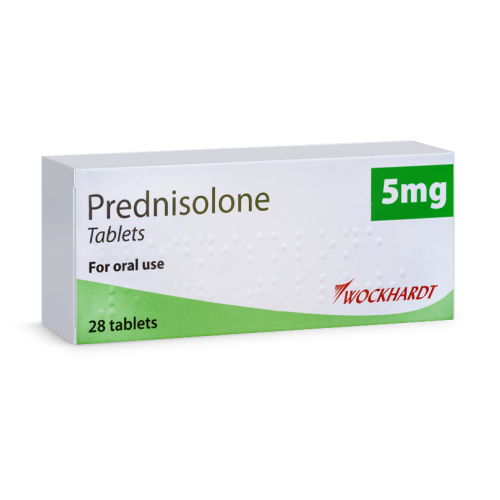
Table of Contents
- What is Prednisolone? Quick Facts and Legal Status in the United States
- Summary: Key Takeaways About Prednisolone
- How Does Prednisolone Work? The Science and the Simple Explanation
- How to Take Prednisolone: Dose, Duration, and U.S. Safe Use Guidelines
- Prednisolone and Your Lifestyle: Food, Alcohol, and Daily Activities
- Who Should Not Take Prednisolone? Contraindications and Red Flags
- What Side Effects are Most Common with Prednisolone?
- Prednisolone vs Alternatives: How Does it Stack Up?
- Prednisolone: Main Characteristics at a Glance
- How to Obtain Prednisolone Legally in the United States: Step-by-Step
- Is It Safe and Legal to Buy Prednisolone Online in the United States?
- How to Identify Genuine Prednisolone and Avoid Counterfeits
- Generics and Excipients: Are They Safe and Effective?
- How is Prednisolone Processed by the Body? (Pharmacokinetics Simplified)
- Special Populations: Seniors, Children, Pregnancy, and Chronic Illnesses
- What to Do in Case of a Prednisolone Overdose
- Living with Inflammation: Psychological Support and Next Steps
- Frequently Asked Questions (FAQ) about Prednisolone in the U.S.
- References
- About the Author
What is Prednisolone? Quick Facts and Legal Status in the United States
Prednisolone is a prescription-only corticosteroid medication used to reduce inflammation and suppress the immune system in various conditions, including allergies, asthma, autoimmune disorders, skin diseases, and some cancers. In the United States, it is strictly regulated by the Food and Drug Administration (FDA) and may only be dispensed by a licensed pharmacy with a valid prescription from a healthcare provider.
Can you get Prednisolone without a prescription in the U.S.? No. Purchasing, possessing, or using Prednisolone without a doctor’s prescription is illegal and potentially dangerous in the United States. U.S. pharmacies—both local and online—require a valid prescription to dispense Prednisolone. Telehealth services may facilitate legitimate prescriptions after appropriate evaluation.
Summary: Key Takeaways About Prednisolone
| Parameter | Detail (2026, U.S.) |
|---|---|
| Active Ingredient | Prednisolone |
| Main Uses | Inflammation, autoimmune diseases, asthma, severe allergies, certain cancers |
| Prescription Required? | Yes, always |
| Contraindications | Untreated infections, certain viral/fungal diseases, live vaccines, caution with diabetes/hypertension |
| Common Side Effects | Increased appetite, mood changes, insomnia, fluid retention |
| Onset of Action | Generally within hours |
| Typical Dose Range | 5–60 mg/day (varies by indication and patient factors) |
| Available Forms | Tablets, oral solution, injection, ophthalmic drops |
Bottom line: Prednisolone is effective but must be prescribed and monitored by a healthcare professional in the U.S. due to potential serious side effects and risks of misuse.
How Does Prednisolone Work? The Science and the Simple Explanation
- Mechanism of Action (Scientific Detail)
- Prednisolone is a synthetic glucocorticoid. It binds to cytoplasmic glucocorticoid receptors, translocates to the cell nucleus, and changes the transcription of target genes. This suppresses pro-inflammatory cytokines (like IL-1, IL-6, TNF-alpha) and upregulates anti-inflammatory proteins. The result: reduced inflammation, decreased immune response, and stabilization of cell membranes—especially in white blood cells.
- Metaphor (For Non-Experts)
- Think of Prednisolone as turning down the volume knob on your body’s “alarm system” for inflammation. It doesn’t fix the fire, but it quiets the sirens and stops some damage while you and your doctor address the root problem.
Myth vs Reality:
Myth: Prednisolone cures the underlying disease.
Reality: It manages symptoms by suppressing inflammation; it does not “cure” the root cause. Long-term disease management often requires more than medication alone.
How to Take Prednisolone: Dose, Duration, and U.S. Safe Use Guidelines
- Initial dose: 5–60 mg orally daily, divided or as a single dose depending on disease severity and physician direction.
- Maintenance dose: Individualized; often lowest effective dose for shortest duration possible.
- Maximum dose: Should not exceed 80 mg/day without specialist supervision.
- Always take Prednisolone exactly as prescribed by your physician.
- For short-term therapy (e.g., 5–14 days): Tapering usually not required unless duration exceeds 2-3 weeks.
- For long-term use (>3 weeks): Gradual dose reduction is critical to prevent adrenal insufficiency. Never stop abruptly.
- Take with food to minimize stomach upset.
- Some tablets can be split, but only if scored and approved by the manufacturer. Check with your pharmacist.
Peak effect: Usually within 1–2 hours (oral), peak plasma concentration in 1–3 hours.
Duration: Varies, but anti-inflammatory effects last 12–36 hours after a single dose.
Always follow your doctor’s instructions regarding dose adjustments for kidney, liver disease, or elderly patients.
What if you miss a dose? Take it as soon as you remember, unless it’s almost time for your next dose. Do not double up.
Prednisolone and Your Lifestyle: Food, Alcohol, and Daily Activities
Food
- Take Prednisolone with food or milk to reduce stomach irritation.
- Fatty meals may delay absorption slightly but do not significantly affect overall effectiveness.
- Grapefruit juice: No direct interaction reported with Prednisolone, but always check for updates from your healthcare provider.
Alcohol
- Alcohol can increase the risk of stomach ulcers or bleeding when taken with Prednisolone.
- Moderate drinking (1 standard drink/day) is not strictly contraindicated, but avoidance is recommended.
- Chronic heavy drinking is strongly discouraged due to liver risks and increased side-effect profile.
Daily Activities
- May cause mood swings, insomnia, or dizziness—use caution when driving or operating machinery until you know how Prednisolone affects you.
- No absolute restriction on physical activity, but discuss with your doctor if you experience muscle weakness or fatigue.
| Product | Can it be combined? | Risks / Consequences |
|---|---|---|
| NSAIDs (e.g., Ibuprofen) | With caution | Increased risk of GI ulcers and bleeding |
| Live vaccines | NO | Potential severe infection risk |
| Insulin / Diabetes meds | Yes, with supervision | May require dose adjustment |
| Alcohol | Discouraged | Higher risk of GI and liver effects |
Always inform your healthcare provider about all other medicines and supplements you are taking.
Who Should Not Take Prednisolone? Contraindications and Red Flags
Absolute Contraindications (Never Use)
- Active, untreated systemic infection (bacterial, viral, or fungal)
- Known hypersensitivity to Prednisolone or any excipients
- Administration of live or attenuated vaccines while on high-dose Prednisolone
Relative Contraindications (Use with Caution, Monitor Closely)
- History of tuberculosis or chronic infections
- Uncontrolled diabetes mellitus
- Uncontrolled hypertension
- Severe osteoporosis
- Peptic ulcer disease
- Glaucoma or cataracts
- Mood disorders (may exacerbate psychiatric symptoms)
- Pregnancy and breastfeeding (see special populations section)
Why? Prednisolone suppresses the immune system, which can worsen infections or allow latent infections to re-activate. It can also exacerbate blood sugar, blood pressure, or psychiatric symptoms due to its effects on metabolism, fluid balance, and the central nervous system.
How long after an infection before Prednisolone can be used? Only your doctor can decide, based on infection control and immune status.
What Side Effects are Most Common with Prednisolone?
| Frequency | Side Effect | Notes |
|---|---|---|
| Very Common >1 in 10 |
Increased appetite, insomnia, mood changes, weight gain | Often dose-related, reversible |
| Common 1 in 100–1 in 10 |
Fluid retention, hypertension, raised blood sugar, muscle weakness, acne | Monitor with labs, may require dose adjustment |
| Rare 1 in 10,000–1 in 1,000 |
Osteoporosis, eye changes (glaucoma, cataracts), psychosis, stomach ulcer/bleeding | Risk increases with long-term use |
| Very Rare <1 in 10,000 |
Adrenal suppression, avascular necrosis of bone, pancreatitis | Requires specialist management |
What should you do if side effects occur?
For mild symptoms (e.g., slight appetite increase): Monitor and report during your next appointment.
For severe effects (e.g., mood swings, vision changes, severe abdominal pain): Contact your healthcare provider immediately. In case of allergic reaction (rash, swelling, trouble breathing), seek emergency care.
Long-term use risks: Prednisolone can cause osteoporosis, delayed wound healing, muscle wasting, and increased infection risk. Regular monitoring (bone density, blood sugar, blood pressure) is strongly recommended for anyone on Prednisolone longer than 3 weeks.
Prednisolone vs Alternatives: How Does it Stack Up?
| Medication | Onset Speed | Duration | Common Side Effects | Average U.S. Cost (2026) | Notable Risks |
|---|---|---|---|---|---|
| Prednisolone | 1–3 hours (oral) | 12–36 hours | Weight gain, insomnia, fluid retention | $15–45/month (generic) | Osteoporosis, adrenal suppression |
| Prednisone | 1–2 hours (prodrug, converted to prednisolone) | 12–36 hours | Similar to Prednisolone | $10–40/month (generic) | Must be converted by liver—use with caution in liver disease |
| Methylprednisolone | 1–2 hours | 12–36 hours | Similar; less fluid retention | $20–60/month | Injection form available |
| Dexamethasone | 1–2 hours | 36–72 hours | Greater risk of mood/psychiatric effects | $12–50/month | Stronger suppression of natural steroids |
In short: Prednisolone provides a balance between potency and side-effect risk for most inflammatory conditions. Alternatives may be better suited for specific cases (e.g., liver dysfunction or need for longer action). Always consult your provider for the best option.
Prednisolone: Main Characteristics at a Glance
| Parameter | Value |
|---|---|
| Drug Class | Glucocorticoid (corticosteroid) |
| Prescription Status (U.S.) | Prescription-only (Rx) |
| Forms Available | Oral tablets, solution, injection, ophthalmic drops |
| Metabolism | Liver (CYP3A4 pathway) |
| Elimination | Kidneys (renal excretion) |
| Half-life (T½) | 2–4 hours (biological effect longer) |
| Insurance Coverage | Covered by most U.S. health plans and Medicare/Medicaid for approved indications |
How to Obtain Prednisolone Legally in the United States: Step-by-Step
-
Consult a Healthcare Provider:
Schedule a visit with your primary care physician or a relevant specialist (e.g., allergist, pulmonologist, rheumatologist). Many U.S. providers now offer telehealth video appointments for evaluation. -
Undergo Medical Evaluation:
Your doctor will assess your symptoms, medical history, and whether Prednisolone is appropriate. In some cases, lab tests may be required. -
Receive a Prescription:
If indicated, your provider will send an electronic prescription (eRx) directly to your chosen pharmacy. -
Pick Up or Arrange Delivery:
You can fill your prescription at a local pharmacy (e.g., CVS, Walgreens, Rite Aid) or use a licensed online/mail-order pharmacy. Never use sources that do not require a valid prescription. -
Insurance and Payment:
Check whether your health insurance covers Prednisolone for your diagnosis. Out-of-pocket cost for generics is typically affordable. -
Follow-Up:
Set up follow-up appointments to monitor side effects and adjust dosage as needed.
Tip: For urgent conditions, ask your provider about same-day prescription options or express pharmacy services.
Is It Safe and Legal to Buy Prednisolone Online in the United States?
Legal Requirements: Only pharmacies licensed by your state’s Board of Pharmacy and verified through NABP’s .Pharmacy Program can legally dispense Prednisolone online. A valid prescription is always required.
Risks of Non-Verified Sources:
- Counterfeit or substandard medications
- Potential seizure by customs or law enforcement
- No medical oversight—risk of dangerous complications
- Identity theft or financial fraud from fraudulent sites
Never trust websites that advertise Prednisolone without a prescription, or at “too good to be true” prices. These are often illegal operations and put your health at risk.
How to Identify Genuine Prednisolone and Avoid Counterfeits
What to look for (U.S.-Market):
- Original packaging—manufacturer name (e.g., Teva, Roxane), clear lot number, and expiry date
- Blister packs or pharmacy-labeled bottles (never loose tablets in plastic bags)
- Consistent tablet color, shape, and imprinting (e.g., “54 092” for 5 mg)
- Presence of QR code or hologram on retail packaging (increasingly common by 2026)
- FDA-approved label information (Drug Facts, NDC code)
- Prescription label from U.S. pharmacy with your name and prescribing provider’s information
Quality Check: If packaging appears altered, lacks a valid lot number/expiry, or price is drastically lower than market average—suspect a counterfeit. Report concerns to the FDA and your state Board of Pharmacy.
Generics and Excipients: Are They Safe and Effective?
Original vs Generic Prednisolone:
Generic versions contain the same active ingredient and must meet FDA bioequivalence standards. The main differences lie in the excipients (inactive ingredients) such as binders, fillers, or dyes. In rare cases, these may cause allergic reactions—especially if you have known sensitivities (e.g., lactose intolerance, food coloring allergies).
| Original Brand | Generic Equivalent | |
|---|---|---|
| Active Ingredient | Prednisolone | Prednisolone |
| FDA Approval | Required | Required |
| Excipients | Proprietary | May differ; check label |
| Cost | Higher | Lower (60–80% less) |
| Effectiveness | Equivalent | Equivalent |
| Appearance | May differ | May differ by manufacturer |
Advantage: Generics offer the same treatment at a lower cost, following rigorous FDA standards. If you experience new symptoms after switching, notify your pharmacist, as excipient sensitivity is extremely rare but possible.
How is Prednisolone Processed by the Body? (Pharmacokinetics Simplified)
Once swallowed, Prednisolone is absorbed in the small intestine. It is metabolized in the liver (mainly by CYP3A4), then excreted in the urine. The plasma half-life is short (2–4 hours), but tissue effects last much longer (up to 36 hours), which is why dosing is often once daily. In people with liver disease, metabolism may be slowed, requiring dose adjustments.
- Metabolism: Liver
- Excretion: Kidneys (urine)
- Half-life: 2–4 hours (biological effect up to 36 hours)
- Implications for chronic illness: People with liver or kidney disease may need dose reduction and closer monitoring.
Special Populations: Seniors, Children, Pregnancy, and Chronic Illnesses
- May be more sensitive to side effects—especially osteoporosis, diabetes, and hypertension.
- Lower starting doses are often recommended; monitor bone density and blood pressure regularly.
- Dosage based on weight; long-term use may affect growth, so pediatric endocrinologist supervision is recommended.
- Vaccination schedules may need adjustment if child is on high-dose therapy.
- Prednisolone crosses the placenta but is partly inactivated. Use only if benefits outweigh risks; lowest effective dose and shortest duration are advised. Discuss with OB-GYN.
- Small amounts appear in breast milk; monitor infant for signs of adrenal suppression.
- Frequent monitoring for blood sugar, blood pressure, and fluid retention is critical.
- May interact with medications for these conditions—inform your healthcare team.
Ability to drive/work: Prednisolone does not directly impair driving, but mood or sleep effects may impact attention. Use caution until you know your reaction.
Fertility and family planning: No direct effect on fertility, but discuss with your doctor if planning pregnancy.
What to Do in Case of a Prednisolone Overdose
- Stop taking Prednisolone immediately.
- Call your local Poison Control Center (1-800-222-1222) or dial 911 if symptoms are severe (e.g., confusion, fainting, severe weakness).
- Provide the medical team with the amount taken, when it was taken, other medications, and your medical history.
- Do not try to induce vomiting unless instructed by a medical professional.
- Follow all instructions from emergency personnel.
Symptoms of overdose may include: Sudden mood changes, severe muscle weakness, confusion, high blood pressure, or very high blood sugar. Long-term overdosing can cause Cushing’s syndrome or adrenal suppression.
Living with Inflammation: Psychological Support and Next Steps
Chronic inflammatory diseases can affect more than just the body—they can impact your mood, relationships, and daily life. It’s normal to feel overwhelmed or frustrated. Know that seeking psychological support, talking to your healthcare provider about mental health, and involving loved ones in your care plan can make a meaningful difference.
Many people with chronic conditions find benefit in support groups, counseling, or open conversations with their doctors. You’re not alone, and effective management—medical and emotional—is possible.
Frequently Asked Questions (FAQ) about Prednisolone in the U.S.
- Is Prednisolone safe for long-term use?
- Only under close medical supervision. Long-term use increases the risk of side effects such as osteoporosis, diabetes, and infections. Regular follow-up is essential.
- Can I buy Prednisolone online without a prescription in the U.S.?
- No. U.S. law requires a valid prescription. Buying without one is illegal and unsafe.
- How quickly does Prednisolone work?
- Most people notice improvement within a few hours to a day after starting therapy, depending on the condition being treated.
- What should I do if I miss a dose?
- Take it as soon as you remember, unless it’s nearly time for your next dose. Do not double up.
- Is Prednisolone the same as Prednisone?
- No, but they are closely related. Prednisone is converted by the liver into Prednisolone. In liver disease, Prednisolone may be preferred.
- Can I take Prednisolone with other medications?
- Often, yes, but some medications interact. Always inform your provider about all medicines and supplements.
- Does insurance cover Prednisolone?
- Most U.S. insurance plans and Medicare/Medicaid cover generic Prednisolone for medically approved uses.
- Can Prednisolone affect my mood?
- Yes, it may cause mood swings, anxiety, or even depression, especially at high doses. Notify your doctor of any psychiatric symptoms.
- What are the signs of Prednisolone overdose?
- Severe mood changes, muscle weakness, confusion, very high blood sugar, or high blood pressure. Seek medical help immediately.
- How can I find an inflammation specialist in the U.S.?
- Ask your primary care doctor for a referral to a rheumatologist, allergist, or appropriate specialist. Telehealth options are increasingly available.
References
- U.S. Food and Drug Administration. Prednisolone Label Information. Accessed June 2026. FDA Drug Label
- National Institutes of Health. Prednisolone Drug Summary. Accessed June 2026. NIH Drug Information
- American College of Rheumatology. Glucocorticoid Guidelines (2025 Update). Accessed June 2026. ACR Guidelines
- PubMed: Murchison, J. et al. (2024). Safety and Efficacy of Prednisolone vs. Alternatives in Autoimmune Disease. Link
- Centers for Disease Control and Prevention. Steroid Safety. Accessed June 2026. CDC
- National Association of Boards of Pharmacy. Safe Online Pharmacies. Accessed June 2026. Safe Pharmacy
