
- Home/
- Buy Antabuse Without Prescription in the United States Online
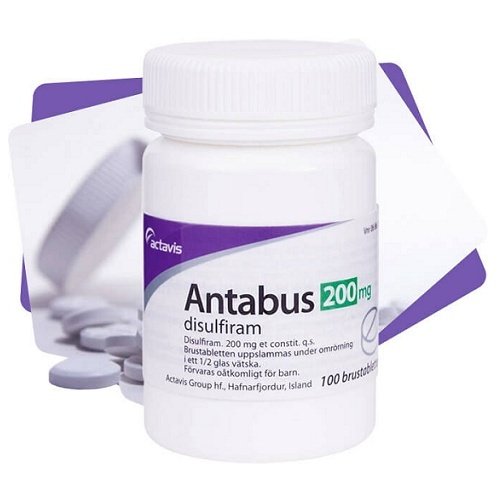
| Medication Name | Antabuse |
|---|---|
| Primary Molecule | Disulfiram |
| Treatment Purpose | Alcohol use disorder (AUD) support |
| Available Strengths | 250 mg, 500 mg tablets |
| Typical Onset Timeline | Effects present as soon as alcohol is consumed while on therapy |
| How Long Effects Last | Up to 1–2 weeks after last dose |
| Dosing Pattern | Daily administration |
| Prescription Required in United States? | Yes, by law |
| Average Cost (US) | $40–$100 per month (not including consultation) |
Antabuse for Alcohol Dependence: What to Know in the United States
Antabuse, whose active ingredient is Disulfiram, is a prescription medication used to support recovery from alcohol dependence by creating a strong physical deterrent to drinking. It is legally available in the United States under the supervision of healthcare professionals. If you are considering Antabuse as part of your treatment, understanding its effects, safety, and practical use is essential for making an informed decision.
Alcohol Dependence Is Widespread—And Treatable
Alcohol dependence is a medical condition with far-reaching personal, social, and health consequences. According to the National Institute on Alcohol Abuse and Alcoholism (NIAAA), in 2022, about 28.8 million adults in the United States met the criteria for Alcohol Use Disorder. This is not a rare or isolated issue—millions of Americans face the same struggle each year. Importantly, long-term recovery is possible, and pharmacological support with medications like Disulfiram has played an important role in helping people remain abstinent. You are not alone, and there are established paths forward.
How Antabuse Works: The Science and What You Experience
Disulfiram operates by interfering with how your body processes alcohol. Normally, when you drink, alcohol is broken down into acetaldehyde (a toxic byproduct), and then quickly converted by an enzyme called aldehyde dehydrogenase into harmless substances. Disulfiram blocks this enzyme, causing acetaldehyde to build up rapidly if you consume any alcohol.
- Physiological effect: If you drink alcohol while on Antabuse, your body cannot break down acetaldehyde efficiently, leading to unpleasant effects within 10–30 minutes: flushing, nausea, vomiting, throbbing headache, rapid heartbeat, and sometimes even chest pain or confusion.
- Practical consequence: This reaction is strong enough that most people actively avoid alcohol to prevent the discomfort. This “aversion therapy” effect helps break the cycle of drinking.
- Duration: The deterrent effect can persist for up to 14 days after your last dose, so caution is needed even if you stop Antabuse.
Unlike medications that reduce alcohol cravings (such as naltrexone), Antabuse does not affect the urge to drink directly. Instead, it creates a strong negative association with alcohol, making relapse less likely for many people.
Does Antabuse Fit My Situation? Real-Life Scenarios
| Your Situation | Is Antabuse Appropriate? | Reasoning |
|---|---|---|
| You’ve stopped drinking and want a strong deterrent to relapse | Often suitable | Antabuse provides immediate physical consequences if you drink, supporting abstinence |
| You have liver disease or advanced heart problems | Not recommended | Risk of serious adverse reactions due to underlying conditions |
| You’ve tried other medications (like naltrexone or acamprosate) and found them ineffective | May be considered | Antabuse uses a different mechanism that some find effective when others are not |
| You are still actively drinking or unable to abstain for a few days before starting | Not appropriate initially | Starting Antabuse when alcohol is still in your system can be dangerous |
| You want a medication that reduces cravings or does not require daily action | Alternative may be better | Other options target cravings or have less daily commitment |
In summary, Antabuse is most often chosen by people who are highly motivated to avoid alcohol and want a powerful deterrent. It is not suitable for everyone—especially those with significant liver, cardiac, or psychiatric conditions, or those unable to maintain abstinence prior to starting. Discuss your full medical history with a healthcare provider to identify the best fit for you.
How to Take Antabuse in Daily Life: Practical Guide
Once prescribed, Antabuse is usually started after at least 12 hours without alcohol (longer if withdrawal risk is present). It is typically taken once daily, preferably in the morning, with or without food. Here is how this integrates into real life:
- Food interactions: You can take Antabuse with or without meals; it does not affect absorption.
- Alcohol sources: Even small amounts of alcohol—found in some mouthwashes, cough syrups, sauces, or hand sanitizers—can trigger a reaction. Always check product labels and avoid hidden alcohol sources.
- Missed dose: If you forget a dose, take it as soon as you remember, unless it’s almost time for the next one. Do not double the dose. Missing occasional doses reduces effectiveness but does not cause withdrawal.
- If no deterrent effect is felt: This is not normal; Antabuse’s reaction is predictable if alcohol is consumed. If you believe it’s not working, contact your doctor before making any changes.
- Stopping Antabuse: The alcohol sensitivity may persist for up to two weeks after your last tablet. Continue to avoid all alcohol-containing products during this period.
- Medical check-ins: Regular blood tests may be needed to monitor liver function and ensure safe use.
Be open with your healthcare team about any challenges or relapses. Adjustments can be made to your treatment plan as needed.
Who Should Not Take Antabuse?
Certain health conditions make Antabuse unsafe. The main contraindications are:
- Severe liver disease: Disulfiram can strain the liver, raising the risk of serious liver injury.
- Severe heart disease: Because Antabuse’s reaction with alcohol stresses the cardiovascular system, patients with coronary artery disease or heart failure face added risk.
- History of psychosis: Disulfiram may worsen psychiatric symptoms.
- Known allergy to Disulfiram or thiuram derivatives (used in some pesticides): Taking Antabuse in this context may cause severe allergic reactions.
Pregnancy is generally a time to avoid Antabuse unless specifically advised by a specialist. Always disclose your full medical history before starting therapy.
Possible Side Effects: What to Expect, What to Watch For
- Common and usually mild: Drowsiness, fatigue, metallic or garlic-like aftertaste, headache, mild skin rash. These often fade as your body adjusts.
- Less common, may require attention: Liver enzyme elevation, neuropathy (numbness, tingling), confusion, mood changes. If these occur, notify your doctor promptly.
- Rare but serious: Severe liver injury (yellowing of skin/eyes, dark urine), severe rash, persistent vomiting, or signs of severe allergic reaction (swelling, trouble breathing). If any of these symptoms appear, seek immediate medical attention—call 911 or the Poison Help line at 1-800-222-1222 in the United States.
Most people tolerate Antabuse well, but monitoring for side effects is an important part of safe treatment.
Drug and Product Interactions: When Caution Is Needed
Antabuse interacts with a number of substances, which can lead to unexpected or harmful reactions. Key concerns include:
- Alcohol in any form: Even minor exposure can trigger a reaction while on Disulfiram.
- Metronidazole and similar antibiotics: Combining with Antabuse can cause confusion or psychosis—never use together without close medical supervision.
- Warfarin: Disulfiram may increase the blood-thinning effects, raising bleeding risk. Dose adjustments may be necessary.
- Caffeine and theophylline: Levels of these substances can rise when taken with Antabuse, potentially causing overstimulation or side effects.
Discuss all prescription, nonprescription, herbal, and supplement use with your healthcare provider. If you are prescribed a new medication, ask whether it could interact with Antabuse.
How Does Antabuse Compare to Other Treatments?
| Medication | How it works | Best for | Limitations |
|---|---|---|---|
| Antabuse (Disulfiram) | Causes physical reaction if alcohol is consumed | People committed to abstinence, seeking strong deterrent | Does not reduce cravings, not suitable with liver/heart issues |
| Naltrexone | Blocks pleasure/reward from alcohol | Those who have difficulty resisting cravings, can tolerate alcohol exposure without severe risk | Doesn’t create deterrence, can’t be used in severe liver disease |
| Acamprosate | Stabilizes brain chemistry post-abstinence | People aiming to stay sober, especially if liver function is impaired | Must be taken multiple times daily, less effective if drinking continues |
| Psychosocial therapies | Counseling, support groups | All individuals with alcohol dependence, often combined with medication | May not be sufficient alone for severe dependence |
In practice, Antabuse is ideal for those who are already sober and ready to maintain abstinence, while medications like naltrexone or acamprosate may suit those struggling with cravings or wishing to reduce drinking gradually. Your doctor may recommend a combination of medication and therapy for the best outcome.
Purchasing Antabuse in the United States: What You Actually Pay
| Cost component | Estimated Price (USD) | Comment |
|---|---|---|
| Doctor’s consultation (in-person) | $100–$300 | Initial diagnosis and prescription required; telemedicine may be less expensive |
| Prescription fee (if applicable) | $0–$25 | May be included with consultation or charged separately |
| Antabuse tablets (monthly supply) | $40–$100 | Varies by pharmacy and dosage; generic disulfiram is available |
| Delivery (if ordered online) | $5–$25 | Optional; some pharmacies offer free local delivery |
| Total | $145–$450 | First month, including consultation and medication; refills are less expensive |
Where to buy: In the United States, Antabuse requires a valid prescription from a licensed healthcare provider. It is dispensed at retail pharmacies or legitimate online pharmacies, many of which offer telemedicine consultations if you do not have a current prescription. Online sales without a prescription are not legal; the U.S. Food and Drug Administration (FDA) cautions against purchasing from unregulated sources due to risk of counterfeit medications.
Generic disulfiram is widely available and may be less expensive than the branded version. Insurance coverage varies; some plans cover part or all of the medication and consultation costs.
Final Considerations: What Else Should I Know Before Starting?
People often wonder if Antabuse can be stopped suddenly or if it’s safe to use as needed. The answer: Disulfiram is not designed as an “as needed” medication. Taking breaks or only using it occasionally can be risky, as alcohol sensitivity remains for several days after stopping, and inconsistent use reduces its benefit as a deterrent. Decisions about starting, pausing, or stopping should always be made with your healthcare provider.
Finally, combining Antabuse with counseling or support groups dramatically increases success rates. Medication is a great tool, but recovery is most stable when medical and social supports work together. If you experience new symptoms, feel unwell, or are unsure about any part of your treatment, reach out to your doctor without delay.
