
In recent years, the way Indians think about nutrition has changed significantly. More people are paying attention to what goes on their plate, not just to lose weight but to live healthier, feel more energetic, and support long-term well-being. One nutrient that has become the center of this conversation is protein. While protein has traditionally been associated with foods like chicken, fish, and eggs, millions of Indians are proving every day that it is entirely possible to meet protein requirements through a well-planned vegetarian diet.
India has one of the largest vegetarian populations in the world, and fortunately, our food culture offers an incredible variety of protein-rich ingredients. From traditional staples like lentils and pulses to modern plant-based innovations such as Vezlay products and tofu, there are countless options that make eating healthy both enjoyable and convenient. Whether you’re a student trying to eat better, a working professional looking for nutritious meals, a fitness enthusiast aiming to build muscle, or someone simply exploring healthier eating habits, vegetarian protein sources can easily become a part of your daily routine.
One common misconception is that vegetarian diets don’t provide enough protein. This belief often leads people to think they must rely on animal-based foods to stay healthy or gain muscle. In reality, many vegetarian foods contain impressive amounts of protein, along with essential vitamins, minerals, fibre, and antioxidants that contribute to overall health. The key is understanding which foods offer the best nutritional value and how to include them in balanced meals.
Today’s consumers are also becoming more interested in sustainable and ethical eating. Plant-based foods generally have a lower environmental impact compared to animal products, making them an attractive choice for people who care about both their health and the planet. Thanks to advancements in food technology, brands have introduced innovative vegetarian alternatives that deliver the taste and texture people enjoy while remaining completely meat-free.
In this comprehensive guide, we’ll explore some of the best high protein vegetarian food in India, including Vezlay Products, soya products, tofu, and pulses. We’ll discuss what makes each of these foods unique, their nutritional benefits, and how they can help you build a healthier lifestyle without compromising on flavour.
Why Protein Is So Important in a Vegetarian Diet?
Protein is often referred to as the building block of the human body, and for good reason. Every cell, muscle, tissue, and organ depends on protein to function properly. It plays a vital role in repairing damaged tissues, building lean muscle, producing hormones and enzymes, strengthening the immune system, and maintaining healthy skin, hair, and bones. Without enough protein, the body struggles to perform these essential functions efficiently.
For vegetarians, paying attention to protein intake becomes even more important because plant-based protein sources differ from animal-based ones. Fortunately, this doesn’t mean a vegetarian diet is lacking. It simply means making informed food choices that include a variety of protein-rich ingredients throughout the day. Combining different vegetarian foods ensures your body receives all the essential amino acids required for growth and repair.
Protein also has another important advantage—it helps keep you full for longer. Unlike refined carbohydrates that are quickly digested, protein slows digestion and provides a steady release of energy. This helps reduce unnecessary snacking and supports healthy weight management. That’s one reason why nutritionists often recommend including a protein source in every meal, whether it’s breakfast, lunch, dinner, or even snacks.
For people who exercise regularly, protein becomes even more valuable. After physical activity, muscles undergo small amounts of wear and tear. Protein helps repair these muscles, making them stronger over time. This is why athletes, gym-goers, and fitness enthusiasts often focus on increasing their daily protein intake. However, protein isn’t just for those lifting weights. Children need it for healthy growth, adults need it to maintain muscle mass, and older individuals benefit from protein to reduce age-related muscle loss.
Another benefit of consuming protein-rich vegetarian foods is that many of them are naturally packed with fibre, vitamins, and minerals. Foods such as pulses, tofu, and soy products don’t just supply protein—they also contribute to better digestion, improved heart health, and balanced blood sugar levels. Unlike many processed foods, these natural protein sources offer complete nutritional value that supports overall wellness.
The good news is that meeting your protein needs doesn’t require expensive supplements or complicated diets. With the right combination of traditional Indian foods and modern plant-based options, anyone can build a balanced, protein-rich meal plan that fits their lifestyle.
Best High Protein Vegetarian Food in India
Let’s explore some of the most popular vegetarian protein sources that are widely available across India.
Vezlay Products: Bringing Innovation to High-Protein Vegetarian Eating
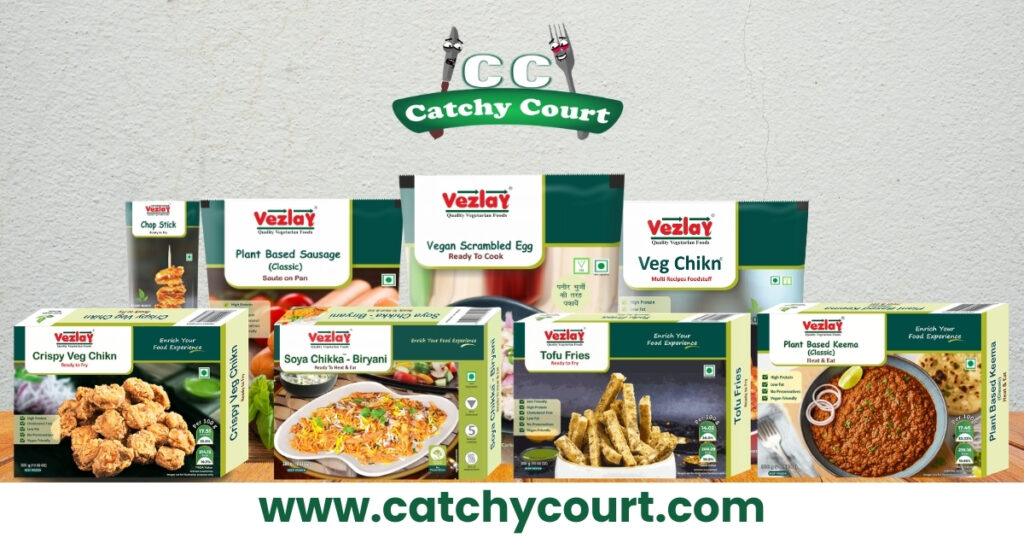
When discussing modern high protein vegetarian food in India, one name that has gained significant recognition is Vezlay. As more people look for healthier and more sustainable alternatives to meat, Vezlay has successfully introduced a wide range of plant-based products that combine nutrition, convenience, and great taste. Unlike traditional vegetarian protein sources that often require soaking, boiling, or lengthy preparation, Vezlay products are designed to fit into today’s busy lifestyle while still delivering impressive nutritional value.
What makes Vezlay unique is its ability to recreate the familiar taste and texture of meat using plant-based ingredients, primarily high-quality soy protein. This makes it an excellent choice not only for lifelong vegetarians but also for people who are reducing their meat consumption or transitioning to a plant-based diet. Instead of giving up favourite recipes, consumers can enjoy similar flavours with completely vegetarian alternatives.
One of the reasons Vezlay has become increasingly popular is the wide variety of products it offers. From Veg Chicken and Veg Meat to Soya Chaap, Plant-Based Keema, Seekh Kabab, Veg Sausages, Burger Patties, and Crispy Lollipops, there is something for almost every taste preference. These products can easily be used in everyday Indian recipes as well as international dishes, allowing families to enjoy protein-rich meals without spending hours in the kitchen.
Beyond convenience, nutrition is where Vezlay truly stands out. Most Vezlay products are made using soy protein, which is recognised as one of the highest-quality plant proteins available. Soy contains all nine essential amino acids, making it a complete protein source. This makes Vezlay products particularly beneficial for people looking to support muscle maintenance, improve recovery after workouts, or simply increase their daily protein intake through vegetarian meals.
Another advantage is versatility. A packet of Vezlay Veg Chicken can be transformed into a rich curry served with chapati, tossed into fried rice, wrapped in whole wheat rolls, added to salads, or grilled as a healthy evening snack. Plant-Based Keema can be used in stuffed parathas, pasta sauces, sandwiches, or even homemade pizzas. This flexibility makes it easier to include protein in different meals throughout the day without repeating the same recipes.
Health-conscious consumers also appreciate that many Vezlay products are lower in cholesterol compared to conventional meat-based options. Combined with vegetables, whole grains, and healthy cooking methods, they can become part of a balanced lifestyle that supports both fitness goals and overall wellness.
As plant-based eating continues to grow across India, Vezlay has helped bridge the gap between traditional vegetarian food and modern dietary preferences. It offers a practical solution for people who want nutritious, protein-rich meals without compromising on taste or convenience. Whether you’re preparing a quick weekday dinner or experimenting with new recipes over the weekend, Vezlay products make it easier to enjoy delicious vegetarian food while meeting your daily protein needs.
For those looking to purchase authentic Vezlay products online, Catchy Court offers a wide selection, making it convenient to explore different options and have them delivered to your doorstep. Whether you’re trying Vezlay for the first time or already enjoy plant-based cooking, having easy access to these products can help you maintain a healthy, protein-rich vegetarian diet.
Why Vezlay Products Are a Great Choice?
Vezlay products are made primarily from high-quality soy protein, making them naturally rich in protein while being completely vegetarian.
Some of the popular Vezlay products include:
- Veg Chicken
- Veg Meat
- Soya Chaap
- Seekh Kabab
- Veg Sausage
- Crispy Lollipop
- Plant-Based Keema
- Veg Burger Patty
- Tofu Fries
- Plant-Based Tikki
These products are ideal for:
- Gym lovers
- Fitness enthusiasts
- Working professionals
- Families
- Students
- People switching to plant-based diets
Benefits of Vezlay Products
- Rich source of plant protein
- Low in cholesterol
- Easy to prepare
- Delicious taste and texture
- Suitable for vegetarian diets
- Great alternative to traditional meat
- Available in multiple ready-to-cook varieties
You can prepare Vezlay products in numerous ways, including:
- Grilled dishes
- Sandwiches
- Wraps
- Curries
- Fried snacks
- Biryani
- Rice bowls
- Salads
Because of their versatility, they make it easy to increase daily protein intake without compromising on taste.
Soya Products: One of the Most Trusted High-Protein Foods in Every Indian Kitchen
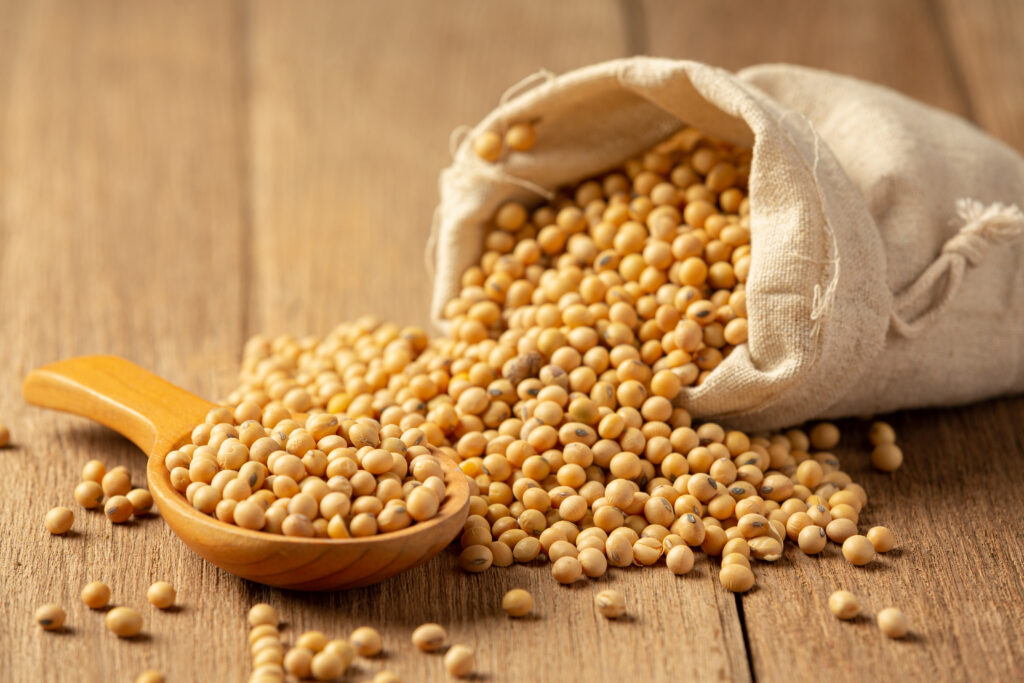
When people think about affordable and protein-rich vegetarian food in India, soya products are often the first thing that comes to mind. For decades, soy has been an important part of Indian households because it offers an excellent combination of nutrition, affordability, and versatility. Whether you are a college student trying to eat healthy on a budget, a working professional looking for quick meal options, or someone focused on fitness, soy-based foods provide a practical way to increase your daily protein intake without spending a fortune.
One of the reasons soy is so highly regarded by nutritionists is that it is considered a complete protein. Unlike many plant-based foods that lack one or more essential amino acids, soy naturally contains all nine essential amino acids required by the body. These amino acids play an important role in muscle repair, tissue growth, hormone production, and maintaining a healthy immune system. This makes soy an excellent protein source not only for vegetarians but also for anyone looking to reduce their dependence on animal-based foods.
The popularity of soy in India has also grown because of the variety of products available today. Soya chunks, soya granules, soya chaap, soy flour, soy milk, and soy nuggets have become common ingredients in many kitchens. Each of these products offers unique culinary possibilities while maintaining the nutritional benefits associated with soy protein. Among them, soya chunks remain one of the most widely consumed options because they are economical, easy to store, and incredibly rich in protein.
Another reason soy products have become a favourite among fitness enthusiasts is their ability to support muscle development and recovery. After physical activity, the body requires protein to repair muscle fibres and promote growth. Since soy provides high-quality protein, it helps meet these nutritional needs naturally. At the same time, soy foods are generally low in saturated fat and contain no cholesterol, making them a heart-friendly addition to a balanced diet.
What makes soy even more appealing is its ability to absorb flavours. Unlike many protein sources that have a strong taste of their own, soy easily takes on the flavour of spices, herbs, and sauces used during cooking. This allows it to blend seamlessly into Indian recipes. A simple soya chunk curry cooked with tomatoes, onions, and aromatic spices can become a wholesome family meal. Soya granules can be added to pulao, stuffed parathas, cutlets, pasta sauces, or even homemade kebabs, making everyday meals both nutritious and satisfying.
Soy products also contain important nutrients beyond protein. They are a good source of iron, calcium, potassium, magnesium, and dietary fibre. These nutrients contribute to stronger bones, improved digestion, better energy levels, and overall wellness. The fibre content in soy also helps promote satiety, meaning you stay fuller for longer, which can be beneficial for people trying to manage their weight without compromising nutrition.
Despite occasional myths surrounding soy consumption, scientific research suggests that moderate consumption of whole soy foods is safe and beneficial for most healthy individuals. When included as part of a balanced diet alongside fruits, vegetables, whole grains, and other protein sources, soy products can make a meaningful contribution to long-term health.
For anyone looking to build a high-protein vegetarian lifestyle, soy products remain one of the most reliable, accessible, and nutritionally complete choices available in India. Their combination of affordability, versatility, and health benefits makes them a staple ingredient that deserves a place in every protein-conscious kitchen.
Nutritional Benefits
Soya products provide:
- High protein content
- Dietary fiber
- Iron
- Calcium
- Potassium
- Magnesium
- Essential amino acids
Health Benefits of Soya
Regular consumption of soy products may help:
- Build muscle
- Improve bone health
- Support heart health
- Maintain healthy cholesterol levels
- Increase satiety
- Assist in weight management
Tofu: A Nutritious Superfood That Fits Perfectly into the Indian Diet
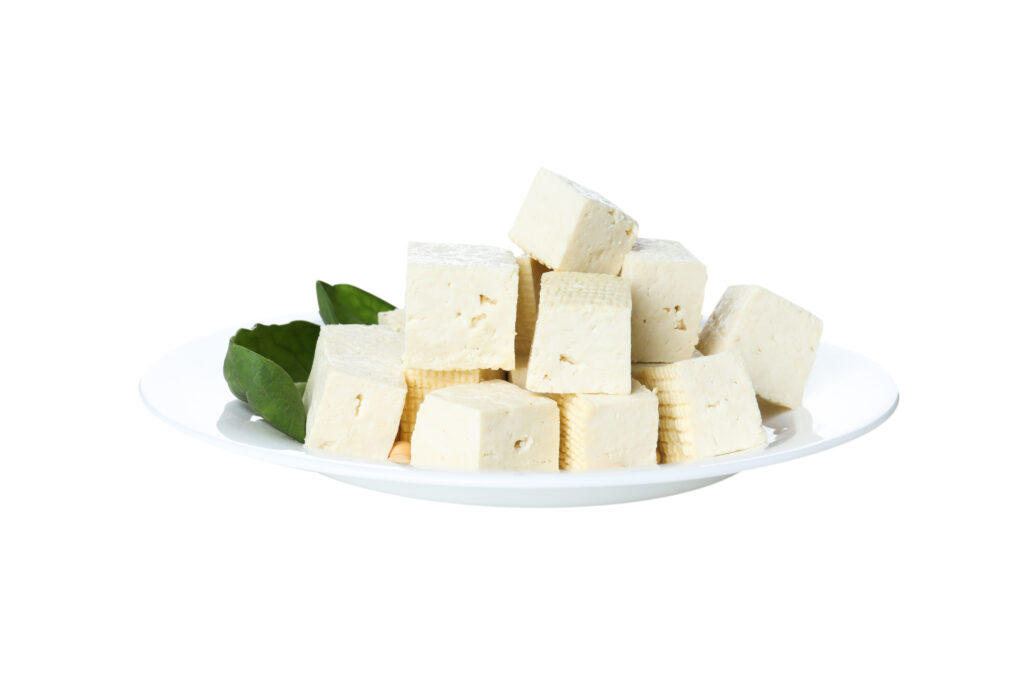
Over the last few years, tofu has evolved from being a niche ingredient found only in speciality stores to becoming a regular feature in supermarkets, restaurants, and home kitchens across India. As awareness about plant-based nutrition continues to grow, more people are discovering that tofu is not just a substitute for paneer but a highly nutritious food in its own right. Rich in protein, easy to cook, and incredibly versatile, tofu has earned its reputation as one of the best high-protein vegetarian foods available today.
Tofu is made by curdling soy milk and pressing it into blocks, a process that is quite similar to making paneer. However, nutritionally, tofu offers several distinct advantages. It is naturally low in saturated fat, contains no cholesterol, and provides a generous amount of high-quality plant protein. Because it is derived from soybeans, tofu also contains all nine essential amino acids, making it a complete protein that supports muscle maintenance, tissue repair, and overall body function.
One of the reasons tofu has become so popular among health-conscious individuals is its remarkable nutritional profile. In addition to protein, tofu supplies calcium, iron, magnesium, phosphorus, selenium, and several other essential minerals that contribute to bone strength, healthy blood circulation, and improved metabolism. For vegetarians who may struggle to meet their calcium or iron requirements, tofu can be an excellent addition to the daily diet.
Another advantage of tofu is its adaptability in the kitchen. Its mild flavour allows it to absorb spices and marinades exceptionally well, making it suitable for a wide variety of Indian dishes. Instead of thinking of tofu as a foreign ingredient, many home cooks have successfully incorporated it into familiar recipes. Tofu can replace paneer in dishes like butter masala, tikka, bhurji, or kadhai preparations while offering a lighter and protein-rich alternative. It can also be grilled, stir-fried, baked, or added to soups, salads, wraps, and sandwiches, making it suitable for both traditional and modern cooking styles.
For people trying to lose weight, tofu can be particularly beneficial. Since it provides high-quality protein with relatively few calories, it helps increase feelings of fullness and reduces the likelihood of overeating. A meal that includes tofu along with vegetables and whole grains offers balanced nutrition without excessive calories, making it easier to maintain healthy eating habits over time.
Fitness enthusiasts also appreciate tofu because it supports muscle recovery after exercise. Protein is essential for repairing muscle tissue that naturally breaks down during physical activity, and tofu provides a convenient vegetarian source of that protein. Combined with regular exercise and an overall balanced diet, tofu can contribute to improved strength, endurance, and recovery.
Another often-overlooked benefit of tofu is its suitability for people of different age groups. Children can benefit from its protein and calcium content during growth years, adults can use it to maintain an active lifestyle, and older individuals can include tofu in their meals to support bone health and preserve muscle mass. Its soft texture also makes it easy to digest, which is especially helpful for senior citizens.
As plant-based eating continues to gain popularity across India, tofu has established itself as much more than a health trend. It is a practical, nutritious, and delicious food that can easily become part of everyday meals. Whether you’re preparing a simple stir-fry, a rich Indian curry, or a wholesome salad, tofu offers an effortless way to increase your protein intake while enjoying balanced and satisfying meals.
Nutritional Benefits of Tofu
Tofu is packed with:
- High-quality protein
- Calcium
- Iron
- Magnesium
- Zinc
- Selenium
- Phosphorus
It also contains very little saturated fat, making it a heart-friendly food.
Health Benefits of Tofu
Adding tofu to your meals can help:
- Improve muscle recovery
- Strengthen bones
- Support weight loss
- Promote heart health
- Improve digestion
- Provide long-lasting energy
Pulses: The Traditional Protein Source That Continues to Nourish India
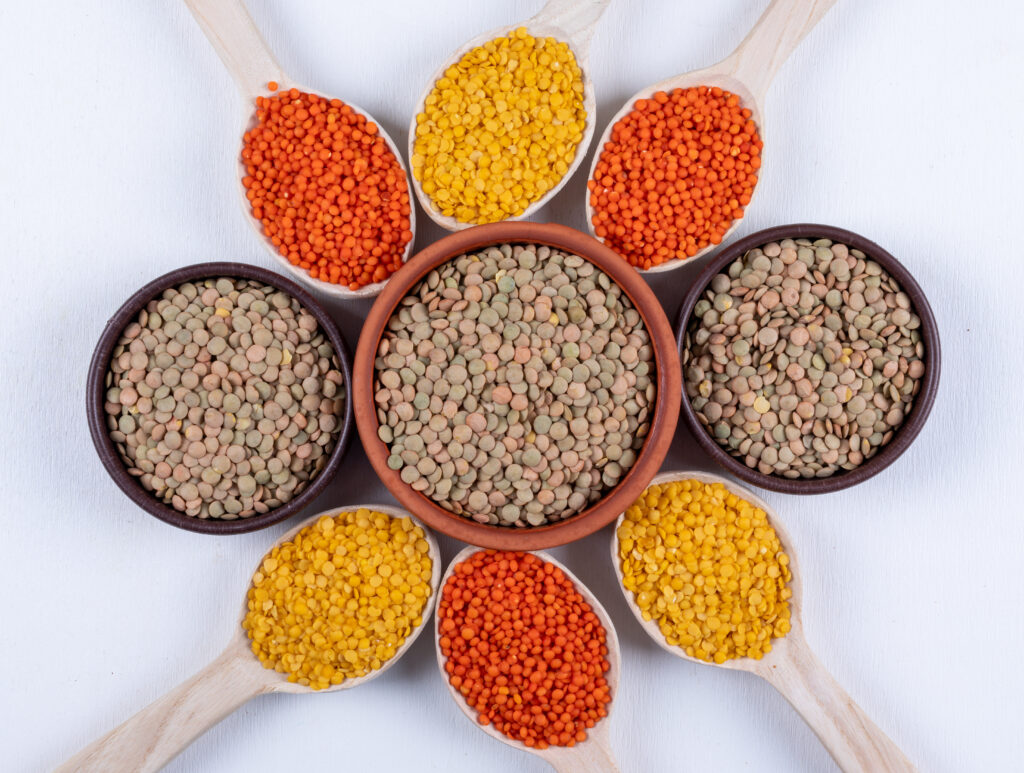
Long before protein powders and ready-to-cook protein products became popular, Indian families were already consuming one of the world’s healthiest protein sources every day—pulses. For generations, dals and legumes have formed the foundation of Indian cuisine, providing nourishment, affordability, and incredible nutritional value. Even today, pulses remain one of the most dependable ways to meet daily protein requirements, especially for people following a vegetarian diet.
India is home to an extraordinary variety of pulses, each offering its own unique flavour and nutritional profile. Common varieties such as moong dal, masoor dal, toor dal, urad dal, chana dal, rajma, black chana, and kabuli chana have been staples in Indian households for centuries. These ingredients are deeply rooted in regional cuisines, appearing in everything from comforting bowls of dal and khichdi to festive dishes like chole and rajma chawal.
One of the greatest strengths of pulses is that they provide much more than just protein. They are naturally rich in dietary fibre, complex carbohydrates, iron, folate, magnesium, potassium, and several B vitamins. This combination of nutrients supports multiple aspects of health, including improved digestion, sustained energy levels, healthy blood sugar regulation, and cardiovascular wellness. Unlike highly processed foods that offer empty calories, pulses provide lasting nourishment that benefits the body in numerous ways.
Another reason pulses remain an important part of Indian diets is their ability to promote satiety. The combination of protein and fibre slows digestion, helping people feel full for longer periods. This makes pulses particularly useful for individuals trying to manage their weight, as they naturally reduce unnecessary snacking between meals while providing steady energy throughout the day.
From a culinary perspective, pulses are incredibly versatile. A simple bowl of dal served with rice or roti creates a wholesome meal that millions of Indians enjoy daily. Rajma can be transformed into a rich curry, black chana can be used in salads or dry sabzis, and sprouted moong can be enjoyed as a refreshing snack packed with nutrients. Each preparation offers a different taste experience while contributing valuable protein to the diet.
One interesting aspect of traditional Indian eating habits is the natural pairing of pulses with cereals like rice or wheat. While pulses provide many essential amino acids, combining them with grains creates a more balanced amino acid profile, improving the overall quality of protein consumed. This traditional food wisdom demonstrates how Indian cuisine has long embraced balanced nutrition without the need for expensive supplements or complicated meal plans.
Regular consumption of pulses has also been linked with several long-term health benefits. Studies suggest that diets rich in legumes may help reduce the risk of heart disease, support healthy cholesterol levels, improve digestive health, and contribute to better blood sugar control. Their high fibre content also supports a healthy gut microbiome, which plays an increasingly recognised role in overall wellness.
In today’s fast-paced world, where convenience often takes priority over nutrition, pulses continue to prove that simple, traditional foods can still offer exceptional health benefits. Whether prepared as a comforting dal, a protein-rich salad, or a hearty curry, pulses remain one of the most valuable and affordable vegetarian protein sources available in India.
Nutritional Value of Pulses
- Plant protein
- Complex carbohydrates
- Fiber
- Iron
- Folate
- Potassium
- Magnesium
Their combination of protein and fiber makes them highly satisfying.
Health Benefits of Pulses
Regular consumption of pulses helps:
- Improve digestion
- Maintain healthy blood sugar levels
- Reduce cholesterol
- Support heart health
- Promote weight management
- Build muscles naturally
How to Build a High-Protein Vegetarian Diet Without Making It Complicated?
Many people believe that eating a high-protein vegetarian diet requires strict meal planning or expensive supplements. In reality, building a protein-rich meal plan is much simpler than it seems. The secret lies in including a variety of protein sources throughout the day rather than depending on a single food item. When your meals combine traditional Indian staples with modern plant-based options, your body receives not only sufficient protein but also a wide range of vitamins, minerals, fibre, and healthy carbohydrates.
A balanced breakfast is one of the best places to begin. Instead of choosing foods that are high in refined carbohydrates and low in nutrition, consider meals that provide sustained energy. Tofu bhurji served with whole wheat toast, moong dal chilla stuffed with vegetables, or a bowl of sprouts with fresh fruits can make your morning meal both filling and nutritious. Starting the day with adequate protein helps maintain energy levels, improves concentration, and reduces the temptation to snack on unhealthy foods before lunch.
Lunch offers another opportunity to increase protein intake naturally. Rather than focusing on a single ingredient, try building a balanced plate. A serving of dal paired with brown rice or whole wheat roti, seasonal vegetables, and a portion of tofu or a Vezlay plant-based product creates a wholesome meal that satisfies both hunger and nutritional requirements. The combination of cereals and pulses also improves the overall quality of plant protein, making it more beneficial for the body.
Evening snacks are often where people unknowingly consume excess calories through fried or highly processed foods. Replacing these snacks with roasted chana, sprouted moong salad, tofu cubes, or a light serving of grilled Vezlay Veg Chicken can provide lasting energy while keeping protein intake consistent throughout the day. These alternatives are not only healthier but also help prevent overeating during dinner.
Dinner should ideally be light yet nutritious. A vegetable stir-fry with tofu, whole wheat wraps filled with Vezlay Plant-Based Keema, or a bowl of soya curry served with millet rotis can provide satisfying meals without feeling heavy. Eating balanced dinners rich in protein and vegetables also supports overnight muscle recovery and helps maintain stable energy levels.
Hydration and overall dietary balance are equally important. Protein works best when accompanied by sufficient water, fibre, healthy fats, and regular physical activity. Instead of treating protein as the only focus, aim for a well-rounded diet that includes colourful vegetables, fruits, whole grains, and healthy cooking methods. This holistic approach not only improves nutrition but also makes healthy eating enjoyable and sustainable over the long term.
Common Mistakes People Make While Following a High-Protein Vegetarian Diet
As awareness about protein continues to grow, many people unknowingly make mistakes that limit the effectiveness of their diet. One of the most common misconceptions is believing that consuming protein from only one source is enough. While foods like soy, tofu, or pulses are excellent choices individually, relying exclusively on a single ingredient may reduce dietary variety and limit the intake of other essential nutrients. A diverse plate always provides better overall nutrition than a repetitive one.
Another common mistake is overlooking portion sizes. Simply adding a spoonful of dal or a few cubes of tofu to a meal may not significantly increase daily protein intake. Instead, each meal should include a meaningful serving of protein-rich foods alongside vegetables and whole grains. Small adjustments made consistently often have a greater impact than occasional large meals.
Many people also assume that vegetarian protein foods are bland or difficult to prepare. Fortunately, Indian cuisine offers endless possibilities for making protein-rich meals exciting. From spicy soya curries and grilled tofu tikka to Vezlay Seekh Kababs and hearty mixed dal recipes, healthy eating can be full of flavour without relying on excessive oil or processed ingredients.
Skipping meals is another habit that can negatively affect protein intake. Since the body cannot store protein in the same way it stores carbohydrates or fats, spreading protein consumption across breakfast, lunch, dinner, and snacks allows for better utilisation throughout the day. Consistency often matters more than consuming a large amount in a single sitting.
Lastly, many individuals underestimate the importance of lifestyle factors. A balanced diet works best when combined with regular physical activity, adequate sleep, and proper hydration. Together, these habits create the foundation for better health, improved fitness, and sustained energy.
Choosing Quality Plant-Based Products Matters
As the demand for vegetarian protein continues to grow in India, the market has become filled with numerous brands offering plant-based alternatives. While having more choices is beneficial, it also makes it important to select products from trusted manufacturers known for maintaining quality standards and using reliable ingredients.
When purchasing soy products, tofu, or ready-to-cook vegetarian foods, it is always worth checking the ingredient list, nutritional information, and manufacturing details. High-quality products not only offer better nutritional value but also provide a more enjoyable cooking and eating experience.
For people who enjoy experimenting with plant-based recipes, Vezlay Products have become a preferred choice because they offer a wide variety of options suitable for different cuisines and occasions. Whether you’re preparing a quick weekday lunch, hosting guests, or planning protein-rich family dinners, having access to reliable plant-based ingredients makes healthy cooking much more convenient.
If you’re looking to purchase authentic Vezlay Products, Catchy Court provides a carefully curated collection of plant-based foods, including Veg Chicken, Veg Meat, Soya Chaap, Plant-Based Keema, Veg Sausages, Crispy Lollipops, Tofu products, and several other vegetarian favourites. Shopping from a trusted platform ensures that you receive genuine products while enjoying the convenience of home delivery.
Conclusion
Following a high-protein vegetarian diet in India is no longer a challenge. With the wide variety of nutritious foods available today, anyone can build balanced meals that support fitness, improve overall health, and satisfy everyday taste preferences. Traditional ingredients like pulses continue to provide the foundation of Indian nutrition, while soy products and tofu offer complete plant-based proteins that fit effortlessly into modern lifestyles. At the same time, innovative brands like Vezlay have made it easier than ever to enjoy delicious, protein-rich alternatives that combine convenience with excellent nutritional value.
The key to success is not choosing one “perfect” protein source but embracing variety. A diet that includes pulses, soy products, tofu, and Vezlay plant-based foods throughout the week provides a balanced combination of protein, fibre, vitamins, and essential minerals. This approach supports muscle maintenance, better digestion, healthy weight management, sustained energy, and overall wellness.
Healthy eating doesn’t have to be restrictive or complicated. Small changes—such as replacing processed snacks with protein-rich alternatives, adding tofu to your favourite recipes, including dal in everyday meals, or trying plant-based options like Vezlay products—can make a significant difference over time. These habits are practical, enjoyable, and easy to maintain for the long term.
As more Indians embrace healthier lifestyles, plant-based nutrition is becoming more than just a trend; it is a sustainable way of eating that benefits both personal health and the environment. By making informed food choices and including a variety of protein-rich vegetarian ingredients in your daily meals, you can enjoy delicious food while giving your body the nutrition it needs to thrive.
Whether your goal is to build muscle, improve fitness, maintain a healthy weight, or simply enjoy wholesome meals, high-protein vegetarian foods offer countless possibilities. Start with simple changes, explore different recipes, and discover how easy it can be to nourish your body with the power of plant-based protein.
Frequently Asked Questions (FAQs)
1. What are the best high-protein vegetarian foods in India?
Some of the best high-protein vegetarian foods include Vezlay Products, soya chunks, tofu, lentils (dal), chickpeas, rajma, black chana, sprouts, quinoa, milk, paneer, and nuts. Combining different protein sources throughout the day helps create a balanced and nutritious diet.
2. Are Vezlay products good for a high-protein vegetarian diet?
Yes. Most Vezlay Products are made using high-quality soy protein, making them a rich source of plant-based protein. They are suitable for people looking to increase their protein intake while enjoying delicious vegetarian alternatives to traditional meat dishes.
3. Is tofu healthier than paneer?
Both tofu and paneer are nutritious, but tofu is generally lower in saturated fat and calories while providing excellent plant-based protein. It is an ideal choice for people following a vegan or heart-conscious diet.
4. Can I build muscle on a vegetarian diet?
Absolutely. Muscle growth depends on consuming enough protein, maintaining a balanced diet, and following a proper strength-training routine. Foods like soy products, tofu, pulses, and Vezlay products can provide the protein needed to support muscle development.
5. Where can I buy authentic Vezlay Products online?
You can purchase a wide range of authentic Vezlay Products from Catchy Court, where you’ll find plant-based favourites such as Veg Chicken, Veg Meat, Soya Chaap, Plant-Based Keema, Tofu, and many more products delivered conveniently to your doorstep.